
Getting Comfortable Behind the Wheel: A Foundation for New Drivers
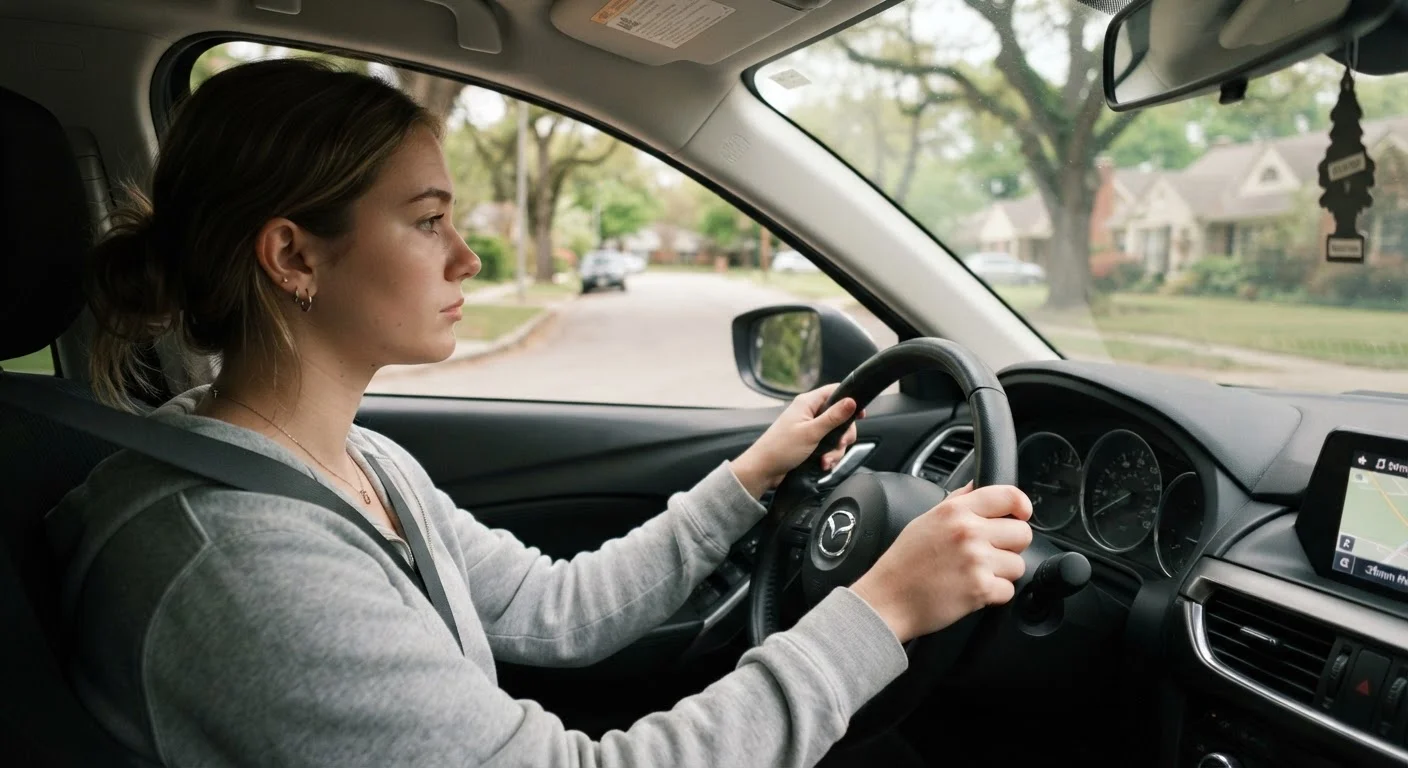
Photo credit: TrendingExperts.net
In this article
New to driving or returning after a long break? This guide covers the fundamental habits, mindset, and situational awareness every driver needs to build.
Key Takeaways
- Proper seat, mirror, and steering wheel adjustment before every drive reduces fatigue and improves control.
- Scanning the road ahead - not just immediately in front - is the single biggest habit separating new drivers from experienced ones.
- Maintaining a three-second following distance gives you a realistic margin to react and stop safely.
- Merging, intersections, and parking lots are where most new-driver incidents happen - slowing down and planning ahead helps.
- Driving confidence is built incrementally; anxiety behind the wheel is normal and diminishes with structured practice.
Setting Up Your Driving Position
Before the engine starts, your physical setup lays the groundwork for control and comfort. A poorly adjusted seat forces you to strain for the pedals or hunch toward the wheel - both of which increase fatigue and reduce reaction speed.
Adjust the seat so your knees are slightly bent when the brake pedal is fully depressed. Your back should rest against the seat back with your arms slightly bent when hands are on the wheel. The headrest should align with the middle of your head - not your neck - to provide proper support in a sudden stop.
Mirrors are just as important. The rearview mirror should frame the full rear window. Each side mirror should show a sliver of your vehicle's rear quarter panel and the lane beside you. Even with correct mirror angles, blind spots remain - see our companion piece on blind spots and what cameras miss for a closer look at where those gaps are.
Blind spot
An area around your vehicle that mirrors cannot fully show. It typically sits on either rear side and must be checked with a shoulder glance before changing lanes.
Following distance
The gap between your vehicle and the one ahead. A safe following distance gives you enough time and space to brake if the lead vehicle stops suddenly.
Scanning pattern
A habitual eye movement technique where the driver regularly checks mirrors, the road ahead, and gauges rather than fixing their gaze in one spot.
Reaction time
The time between seeing a hazard and your foot reaching the brake pedal. It typically ranges from 1.5 to 2.5 seconds and varies with fatigue, distraction, and speed.
Right-of-way
The legal and practical order in which vehicles and pedestrians proceed through an intersection or shared road space. Having right-of-way doesn't guarantee other road users will yield.
Developing Situational Awareness
New drivers often focus too narrowly - watching the car immediately ahead instead of scanning the broader road environment. Experienced drivers continuously read traffic several cars ahead, note what's happening on side streets, and anticipate problems before they arrive.
A practical starting habit: every few seconds, shift your gaze between the road ahead, your mirrors, and your instrument cluster. This is sometimes called the scanning pattern, and it prevents the tunnel vision that makes sudden hazards feel surprising.
Checking mirrors every five to eight seconds in normal traffic is a reasonable rhythm. Before lane changes, merge checks, and turns, add a deliberate shoulder check to cover blind spot zones that mirrors can't fully capture. When sharing the road with cyclists, motorcyclists, and pedestrians, even sharper attention is needed - our article on sharing the road with vulnerable road users explains why they require different consideration.
Managing Speed and Following Distance
Speed limits define the legal maximum, not the appropriate speed for every condition. Rain, fog, heavy traffic, construction zones, and unfamiliar roads all warrant reducing speed below the posted limit. New drivers sometimes feel social pressure to match the pace of faster vehicles around them - resist this. Your safety margin is yours to protect.
Following distance is where many drivers underestimate risk. Stopping a vehicle takes time for your brain to recognize a hazard, your foot to reach the brake, and the brakes to actually slow the car. At highway speeds, that combined distance can span the length of several car lengths. The three-second rule - counting the gap between you and the vehicle ahead using a fixed landmark - provides a reliable minimum buffer. Why your following distance is almost certainly too short walks through the physics in detail.
Adjust Your Buffer in Bad Weather
The three-second rule is a minimum for dry conditions. In rain, fog, or snow, increase your following distance to four or five seconds. Wet roads can more than double the distance needed to stop from highway speeds, so the extra gap is worth maintaining even if other drivers don't.
Navigating Common Driving Challenges
Certain situations produce a disproportionate share of new-driver incidents. Understanding why helps you prepare rather than react.
- Merging onto highways: Match the speed of highway traffic before entering - don't stop at the end of the on-ramp unless forced to. Use the full length of the acceleration lane.
- Uncontrolled intersections: Treat them with extra caution. Yield to vehicles already in the intersection, make eye contact with other drivers when possible, and never assume your right-of-way will be acknowledged.
- Parking lots: Low-speed but high-incident environments. Pedestrians move unpredictably, backing vehicles are common, and sightlines are frequently blocked. Move slowly and scan constantly.
- Night driving: Depth perception and peripheral vision both reduce after dark. Use headlights as required by law and reduce speed to stay within your sight distance.
- Rain and wet roads: Braking distances increase significantly on wet pavement. Increase your following distance and avoid sudden steering inputs.
For a structured pre-drive habit that helps you feel ready before any of these scenarios, see this pre-drive safety routine.
Building the Right Driving Mindset
Confidence behind the wheel is earned gradually - it isn't something to fake or force. Early in your driving experience, it's appropriate to avoid high-pressure situations like dense rush-hour traffic or unfamiliar city driving until more basic skills feel automatic. This isn't timidity; it's sound skill-building.
Emotional regulation also matters. Frustration, impatience, and conflict with other drivers impair decision-making in ways that closely mirror the effects of fatigue. There's a meaningful difference between assertive, confident driving and aggressive behavior - understanding that line is important. Our article on road rage versus assertive driving explores where that boundary sits.
As you grow more comfortable at the wheel, the next practical step is understanding what it costs to own and maintain a vehicle. Our car maintenance guide for new drivers covers the routine upkeep that keeps any car running safely, and Car Ownership from Start to Finish maps the broader financial picture of vehicle ownership.
Frequently Asked Questions

Author
Automotive Editorial Team
Automotive Editorial Team is the collective byline for our editorial team and contributor network. Articles published under this byline or an editorial pen name are researched, written, and reviewed according to our editorial standards for clarity, consistency, and independence before publication.
View all articles →