
Grounding Techniques for Moments of Overwhelming Anxiety
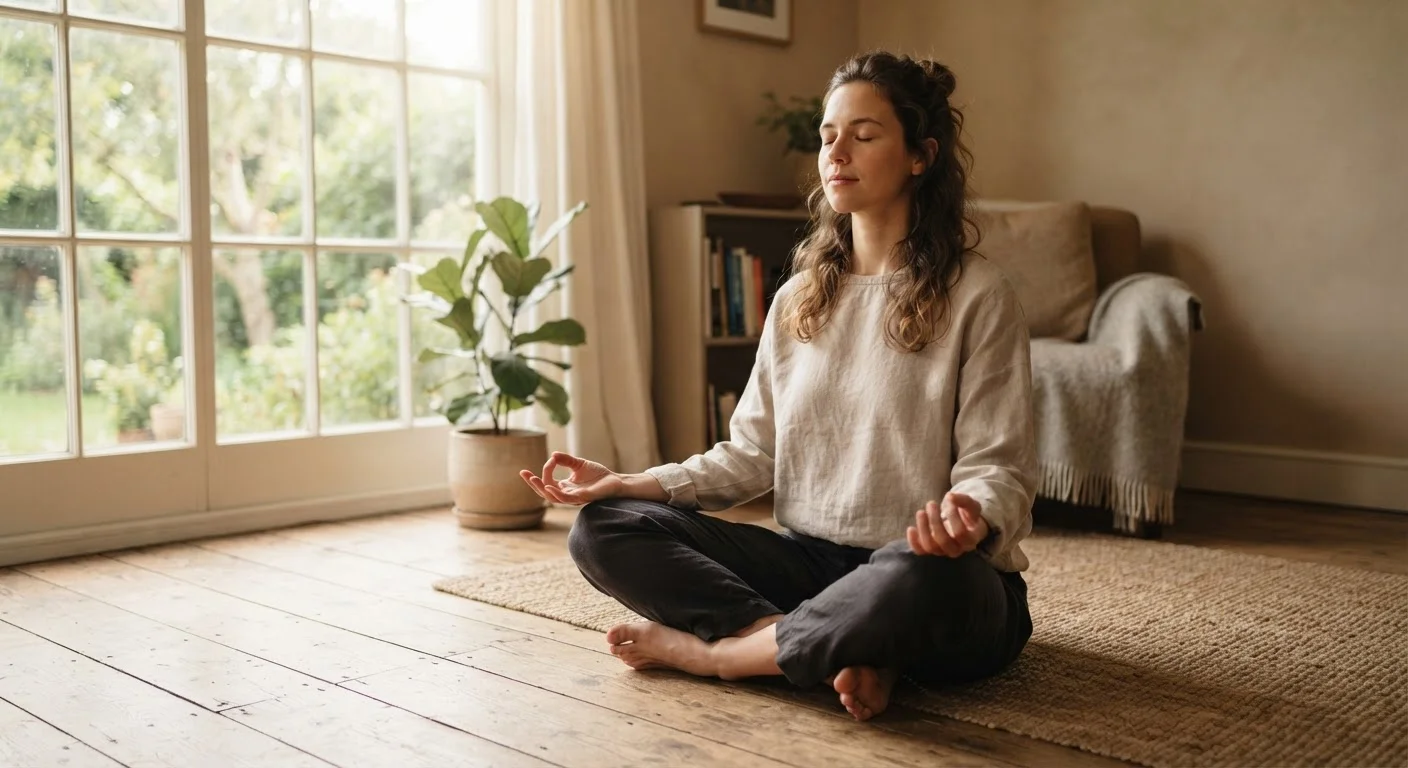
Photo credit: TrendingExperts.net
In this article
When anxiety spikes, grounding practices can help interrupt the spiral. Here are evidence-informed techniques and how to use them effectively.
Key Takeaways
- Grounding techniques work by redirecting attention away from anxious thoughts and back to the present moment.
- The 5-4-3-2-1 sensory method is one of the most widely used and accessible grounding exercises available.
- Controlled breathing helps activate the parasympathetic nervous system, calming the body's stress response.
- Grounding works best when practiced regularly, not only during peak anxiety moments.
- These techniques are general coping tools, not a substitute for professional mental health care.
Why Anxiety Overwhelms the Mind - and What Grounding Does
Anxiety often hijacks attention, pulling the mind into loops of worst-case scenarios, physical symptoms, and a loss of connection to the present moment. This happens in part because the brain's threat-detection system - the amygdala - can respond to perceived danger (including anxious thoughts) similarly to how it responds to real, immediate threats. The result is a cascade of stress hormones and heightened physiological arousal.
Grounding techniques work by interrupting this cascade. They redirect cognitive and sensory attention back to immediate, concrete experience - what's physically present right now - rather than what the anxious mind is projecting. This is sometimes called present-moment anchoring, and it forms the basis of evidence-informed therapies including Cognitive Behavioral Therapy (CBT) and Dialectical Behavior Therapy (DBT).
Grounding won't eliminate anxiety, and it isn't a cure. But as a coping skill, it can meaningfully reduce the intensity of an overwhelming moment. Building these into your daily habits - not just crisis moments - tends to make them more effective over time. If you're also working on managing stress before it escalates, a structured end-of-day routine can help; see Building a Wind-Down Routine That Actually Sticks for practical guidance.
This Is General Information, Not Treatment
The techniques described here are general coping strategies for managing everyday anxiety. They are not a substitute for professional mental health care. If your anxiety is frequent, severe, or interfering with daily life, please consult a qualified mental health professional. In a crisis or emergency, contact 988 (Suicide and Crisis Lifeline) or your local emergency services.
What You'll Need Before You Start
These techniques require almost no preparation, which is part of what makes them practical. You don't need an app, a specific environment, or prior experience with mindfulness or meditation. That said, a few simple resources can make the process easier - especially when you're just learning.
What you will need
A quiet space or chair
Provides a stable physical environment to focus and reduce external distractions during grounding.
A grounding object (smooth stone, textured fabric)
A physical object with a distinct texture can anchor tactile attention during sensory grounding exercises.
A journal or notepad
Writing down observations during grounding exercises can reinforce the mind's return to the present moment.
How to Use These Techniques
Work through the steps below at your own pace. During an acute anxiety moment, even completing one or two steps may provide noticeable relief. Over time, practicing the full sequence - especially during lower-stress moments - helps the techniques become more automatic and effective when you need them most.
Pause and orient yourself physically
The first step is simply stopping. If you can, plant both feet flat on the floor and feel the surface beneath you. Press your back against a chair or wall. These small physical anchors signal to your nervous system that you are physically safe - a key cue for interrupting the anxiety spiral.
Use the 5-4-3-2-1 sensory technique
Slowly identify 5 things you can see, 4 things you can physically feel (clothing texture, air temperature), 3 things you can hear, 2 things you can smell, and 1 thing you can taste. Name each one silently or aloud. This systematic scan of your senses pulls cognitive focus away from anxious thought loops and anchors it in immediate, concrete reality.
Practice box breathing to calm your body
Breathe in slowly for a count of four, hold for four, exhale for four, then hold again for four. Repeat this cycle three to five times. This pattern - often called box breathing or square breathing - activates the parasympathetic nervous system, which counteracts the fight-or-flight response associated with anxiety. Research in psychophysiology consistently links slow, controlled exhalation with reduced heart rate and perceived stress.
Try a physical grounding technique
Hold a grounding object - a smooth stone, a rubber band on your wrist, or any textured item - and focus entirely on its physical properties: weight, temperature, surface texture. Alternatively, splash cold water on your face or hold an ice cube briefly. These physical sensations create a strong, immediate signal that redirects the brain's focus. This approach draws on principles from DBT, a well-established therapeutic framework.
Return to the present with a mental anchor statement
Once your body feels somewhat calmer, state a simple, factual observation to yourself: "I am in my kitchen. It is Tuesday afternoon. I am okay right now." These grounding statements are not affirmations - they're reality checks that reinforce present-tense awareness. Keep them factual and specific to what's immediately observable around you.
When Grounding Isn't Enough
Grounding techniques are most useful for managing situational, momentary anxiety. They are not designed to address underlying anxiety disorders, trauma, or chronic stress on their own. If you notice that anxiety is frequent, persistent, or significantly affecting your sleep, relationships, work, or daily functioning, these tools may not be sufficient by themselves.
Professional mental health support - from a licensed therapist, psychologist, or psychiatrist - can provide structured, personalized treatment. If you're unsure whether your experiences warrant that kind of support, Signs You Might Benefit from Talking to a Mental Health Professional offers a helpful overview of common signals to consider.
This article is for general informational purposes only and is not a substitute for professional medical or mental health advice, diagnosis, or treatment. Always consult a qualified healthcare provider with questions about your mental health or before making changes to any treatment plan.

Author
Health Editorial Team
Health Editorial Team is the collective byline for our editorial team and contributor network. Articles published under this byline or an editorial pen name are researched, written, and reviewed according to our editorial standards for clarity, consistency, and independence before publication.
View all articles →