
Car Maintenance Myths That Have Persisted Far Too Long
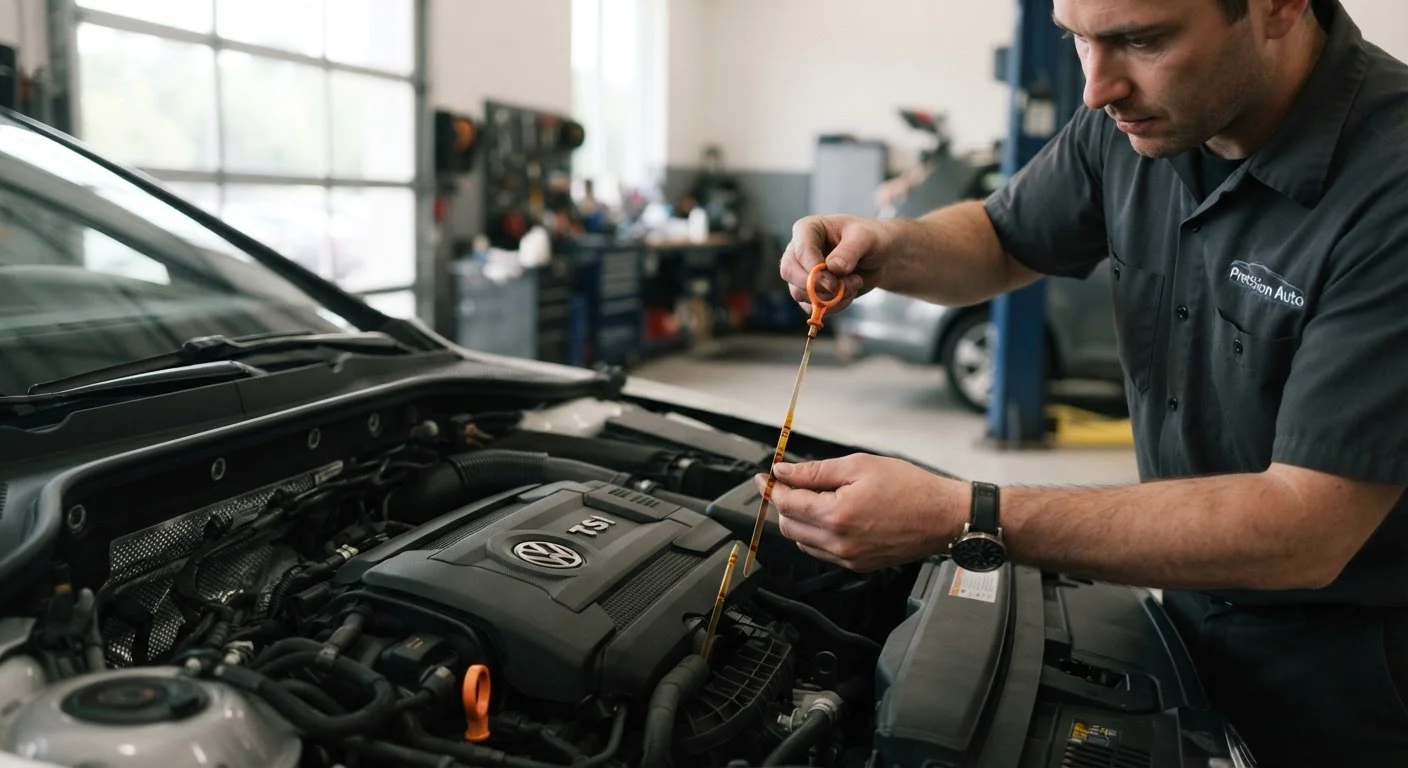
Photo credit: TrendingExperts.net
From warming up your engine in winter to topping off a full tank, some popular car care beliefs are outdated or simply wrong. Here's what the evidence shows.
Key Takeaways
- Modern fuel-injected engines do not need to warm up for several minutes before driving.
- Oil change intervals depend on your specific vehicle and oil type - not a universal 3,000-mile rule.
- Premium gasoline offers no benefit to engines designed to run on regular unleaded fuel.
- Tire pressure should be set to your vehicle's specification, not the number printed on the tire sidewall.
- Some maintenance myths persist because they were once valid but no longer apply to modern vehicles.
Why Car Maintenance Myths Are So Stubborn
Some of the most persistent car care beliefs aren't completely invented - many were once grounded in real engineering realities. The problem is that automotive technology has advanced dramatically over the past 40 years, while the advice passed down at family dinners and gas stations often hasn't kept up. Fuel injection replaced carburetors. Synthetic oil replaced conventional. Engine management computers replaced mechanical guesswork. The car under your hood today is a fundamentally different machine than the one your parents or grandparents learned to maintain.
Understanding which rules still apply and which ones belong to a previous era can help you avoid unnecessary spending and make smarter decisions about your vehicle's care. For a broader look at what modern vehicles actually need and when, see our guide to routine maintenance schedules.
Myth
You need to let your car warm up for several minutes before driving in cold weather.
Fact
Modern fuel-injected engines reach operating temperature faster by being driven gently, not by idling in a driveway.
This advice made sense for carbureted engines common before the 1980s, which needed time to stabilize fuel delivery in cold conditions. Today's electronically controlled, fuel-injected engines don't share that limitation. Extended idling in cold weather wastes fuel and can actually wash oil off cylinder walls, increasing wear. The better approach: start the car, give it 30-60 seconds, then drive gently until the temperature gauge rises to normal.
Myth
You should change your oil every 3,000 miles, no exceptions.
Fact
Many modern vehicles with full synthetic oil can go 7,500 to 10,000 miles or more between changes - check your owner's manual for your car's actual interval.
The 3,000-mile rule originated when conventional motor oil and older engine technology were the standard. Synthetic oils have dramatically longer service lives, and modern engines are built with tighter tolerances that extend intervals further. Following an unnecessarily short interval isn't dangerous, but it wastes money and generates extra used oil. Your owner's manual and, in many cars, an oil life monitoring system will tell you what your vehicle actually needs.
Myth
Premium gasoline is better for your engine, even if your car doesn't require it.
Fact
Engines not designed for premium fuel see no performance or longevity benefit from using it - you're paying more for nothing.
Premium fuel has a higher octane rating, which prevents premature ignition (knocking) in high-compression or turbocharged engines that require it. If your vehicle's manufacturer specifies regular 87-octane fuel, using 91 or 93 octane won't improve performance, fuel economy, or engine life. The distinction matters on your fuel cap or in the owner's manual: required means use premium; recommended means regular is fine.
Myth
You should inflate your tires to the pressure number on the tire's sidewall.
Fact
Tires should be inflated to the pressure listed on the sticker inside your driver's door jamb, not the maximum pressure printed on the sidewall.
The number on the tire sidewall is the maximum pressure the tire can hold safely - not the target. Overinflating to that number reduces the tire's contact patch with the road, worsening traction and increasing wear in the center of the tread. Your vehicle manufacturer determines the correct cold inflation pressure for your specific car's weight, handling, and load requirements. That number is found on the door jamb sticker or in the owner's manual.
Myth
Topping off your gas tank after the pump clicks off is a good way to get more fuel.
Fact
Topping off can damage your vehicle's evaporative emissions system and doesn't meaningfully add usable fuel.
Modern vehicles have a vapor recovery system that captures fuel vapors from the tank. When you force extra fuel in after the automatic shutoff, liquid fuel can enter and saturate the charcoal canister - a component not designed to handle liquid. Replacing a damaged canister is a real repair cost. When the pump clicks off, it's done its job.
Myth
You must go to a dealership for routine maintenance to keep your warranty valid.
Fact
Under federal law, automakers generally cannot void your warranty solely because you had maintenance performed at an independent shop.
The Magnuson-Moss Warranty Act provides broad protections to consumers in this area. As long as maintenance is performed to manufacturer specifications using appropriate parts and fluids, an independent mechanic's work should not jeopardize your warranty. The key is keeping documentation of all services. That said, some warranty claims can be complex - if you have a specific concern, reviewing your warranty terms or consulting a consumer protection resource is worthwhile.
What Good Maintenance Actually Looks Like
Once you set aside the myths, a clearer picture of practical car care emerges. The foundation is straightforward: follow your owner's manual for service intervals, pay attention to your car's warning systems, check tire pressure monthly (using a gauge, not just a visual inspection), and document every service you have performed. These habits protect both your vehicle and your warranty.
Always Consult Your Owner's Manual
Your vehicle's owner's manual is the most reliable source for maintenance intervals, fluid specifications, and fuel requirements. Manufacturer guidance is based on engineering data specific to your car - not general rules of thumb passed down over decades. When in doubt, that manual should be your first stop, not the advice circulating at a gas station.
If you're newer to vehicle ownership, the habits you build early matter. Our introduction to car maintenance for new drivers covers the fundamentals in practical terms. And if you've ever been tempted to delay a service to save money in the short term, it's worth understanding how deferred maintenance compounds into larger repair costs over time.
Don't Ignore Actual Warning Signs
Debunking myths doesn't mean skipping vigilance. If your check engine light comes on, you hear grinding from your brakes, or you notice unusual handling, those are real signals that need professional attention. Dismissing them as myths or minor issues can turn a small fix into a costly repair or a safety risk.
Modern vehicles are engineered with wide margins of reliability when maintained correctly - and that doesn't require following rules that were written for a different generation of cars.

Author
Automotive Editorial Team
Automotive Editorial Team is the collective byline for our editorial team and contributor network. Articles published under this byline or an editorial pen name are researched, written, and reviewed according to our editorial standards for clarity, consistency, and independence before publication.
View all articles →