
Building a Skincare Routine From Scratch When You Don't Know Where to Start
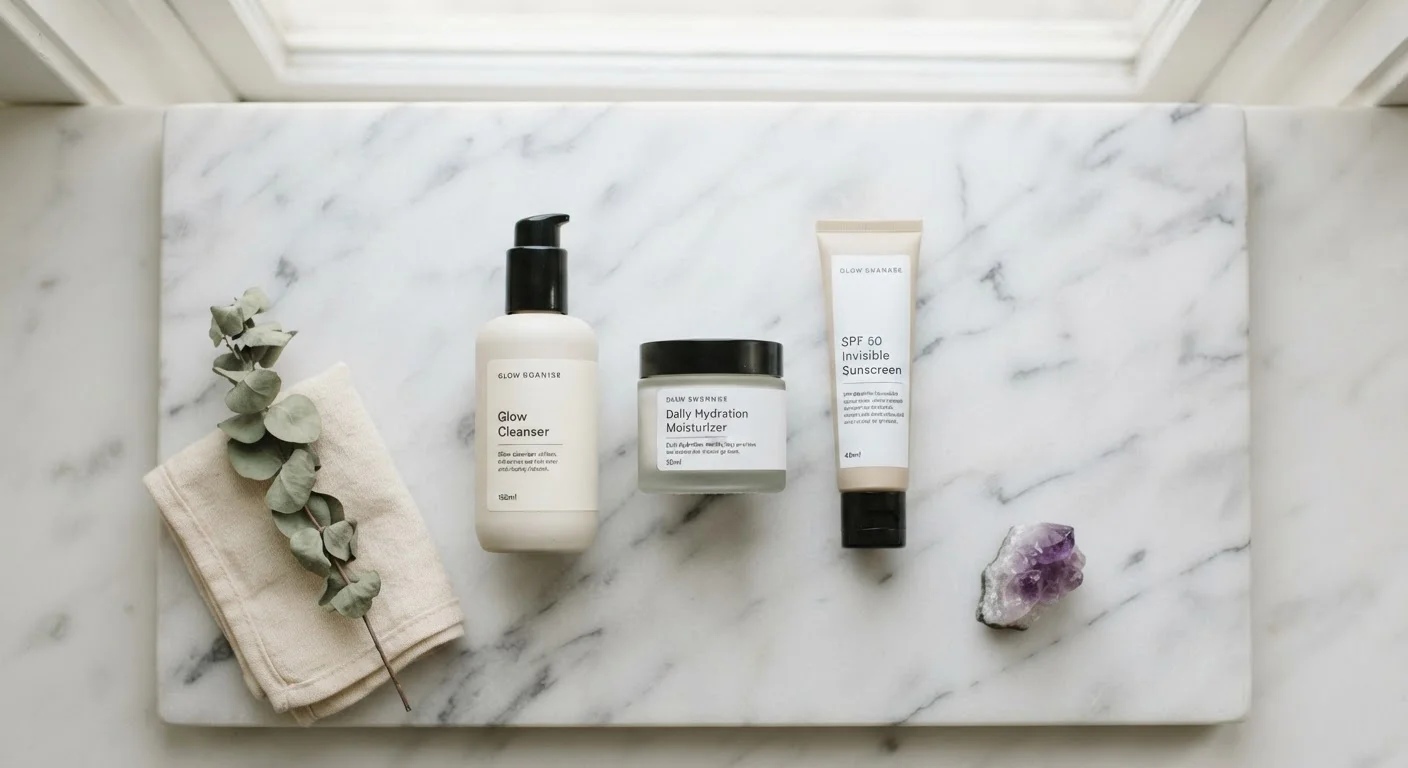
Photo credit: TrendingExperts.net
In this article
A straightforward introduction to layering skincare products in the right order, for people who feel overwhelmed by the options.
Key Takeaways
- A four-step routine - cleanse, treat, moisturize, protect - covers the vast majority of skincare needs.
- Layering order matters: apply products from thinnest to thickest consistency.
- Sunscreen is the single most evidence-supported anti-aging step in any routine.
- Knowing your skin type helps you choose formulas that won't cause irritation or breakouts.
- Add active ingredients only after your basic routine feels stable and comfortable.
Why Most Beginners Overcomplicate It
Walk down any beauty aisle - or scroll through any skincare account - and it's easy to believe that effective skincare requires a ten-step regimen, a glossary of chemical names, and a significant budget. The reality, backed by dermatological science, is far simpler. A short, consistent routine almost always outperforms an elaborate one that's hard to maintain.
The beauty industry thrives on complexity. Understanding that most of that complexity is optional is the first, most freeing step. For context on how skincare intersects with broader personal care habits, see how skincare and grooming relate. Once you strip away the noise, the actual framework is straightforward.
Skin barrier
The outermost layer of skin that locks in moisture and keeps out irritants and bacteria. A healthy barrier is the foundation of good skin.
Broad-spectrum SPF
A sunscreen that protects against both UVA rays (which cause aging) and UVB rays (which cause burning). The number indicates the level of UVB protection.
Non-comedogenic
A term for products formulated to avoid clogging pores. Useful for anyone prone to blackheads or acne.
Active ingredient
A skincare ingredient with a clinically studied effect on the skin, such as retinol, niacinamide, or glycolic acid. Actives often require careful introduction.
pH-balanced
A product formulated at a pH level close to the skin's natural range (around 4.5-5.5), which helps preserve the skin barrier and avoid irritation.
The Core Four: What Every Routine Needs
Regardless of skin type, age, or budget, four functional steps form the backbone of any evidence-based routine:
- Cleanser - Removes dirt, sebum, and pollutants without stripping the skin's natural moisture barrier. A gentle, pH-balanced formula works for most people.
- Treatment (optional but valuable) - A serum or targeted treatment that addresses a specific concern, such as uneven tone, texture, or hydration. This step becomes more important as your routine matures.
- Moisturizer - Supports the skin barrier by sealing in hydration. Even oily skin benefits from a lightweight moisturizer - skipping this step can actually trigger more oil production.
- Sunscreen (AM only) - Broad-spectrum SPF 30 or higher. This is the most evidence-supported anti-aging and skin-protective step in dermatology. It belongs at the end of your morning routine, every single day.
If you're also building out general grooming habits alongside skincare, this beginner grooming guide walks through the full picture without overwhelming you.
Layering in the Right Order
Order isn't arbitrary - it's functional. The guiding principle is thinnest to thickest. Lightweight, water-based formulas need direct contact with skin to absorb properly; heavy creams applied first create a physical barrier that blocks what comes after.
A standard morning sequence looks like this:
- Cleanser
- Toner or essence (if used)
- Water-based serum
- Eye cream (if used)
- Moisturizer
- Sunscreen - always last
In the evening, swap sunscreen for a richer moisturizer or an overnight treatment. If you use a retinoid or chemical exfoliant, it typically goes on after cleansing but before moisturizer, on alternating nights rather than every night when starting out.
Start With One Week of Just Cleansing
If your skin is very reactive or you've never had a consistent routine, spend the first week using only a gentle cleanser morning and night. This gives your skin a reset and makes it much easier to identify how each new product you add actually affects it.
For a detailed look at how active ingredients interact when layered, this guide on ingredient sequencing explains the science clearly.
Know Your Skin Type First
Choosing formulas without knowing your skin type is one of the most common reasons routines fail. A heavyweight cream ideal for dry skin can clog pores on oily skin; a gel cleanser that works for oily skin can strip someone with dry or sensitive skin.
The four general skin types are:
- Dry - Feels tight, may flake; benefits from richer, cream-based moisturizers and oil-based cleansers or gentle milks.
- Oily - Prone to shine and enlarged pores; suits gel or foam cleansers and lightweight, non-comedogenic moisturizers.
- Combination - Oily in the T-zone (forehead, nose, chin), drier on the cheeks; often benefits from a balanced approach across product types.
- Sensitive - Reacts to fragrance, alcohol, and harsh actives; needs minimal ingredient lists and fragrance-free formulas.
Sensitive skin in particular calls for a careful approach. This practical guide to sensitive skin grooming covers what triggers reactions and how to minimize them.
This article is for general informational and educational purposes only and is not a substitute for professional dermatological advice. If you have a skin condition or persistent skin concerns, consult a qualified dermatologist.
When to Add More Steps
Once your core routine has been stable for four to six weeks - meaning no new irritation, breakouts, or dryness - you can consider adding a targeted active ingredient. Chemical exfoliants like AHAs and BHAs are among the most evidence-supported additions for improving texture and tone. This plain-language guide to AHAs, BHAs, and PHAs is a good starting point before you add any of them.
Don't Stack Actives Too Soon
Using retinol, AHAs, and vitamin C simultaneously without building tolerance is a common cause of irritation, redness, and a damaged skin barrier. If you're new to actives, introduce just one and use it sparingly at first. When in doubt, a dermatologist can guide you toward the right sequencing for your specific skin.
The temptation when starting out is to try everything at once. Resist it. Introducing one new product at a time - and waiting at least two weeks before adding another - is the only way to know what's working and what's causing a problem. Skincare is a long game; the goal is a routine you can sustain, not one that produces overnight results.
American Academy of Dermatology: Skin Care Basics
The AAD offers freely accessible, physician-reviewed guidance on building a skincare routine, understanding skin types, and using sunscreen correctly. A reliable first reference for any beginner.
Skin Type Self-Assessment Worksheet
A structured checklist to help you observe your skin's behavior across different conditions - useful for identifying your skin type before selecting products.
Frequently Asked Questions

Author
Beauty Editorial Team
Beauty Editorial Team is the collective byline for our editorial team and contributor network. Articles published under this byline or an editorial pen name are researched, written, and reviewed according to our editorial standards for clarity, consistency, and independence before publication.
View all articles →