
Cover Letters in the Modern Job Market: Still Worth Writing?
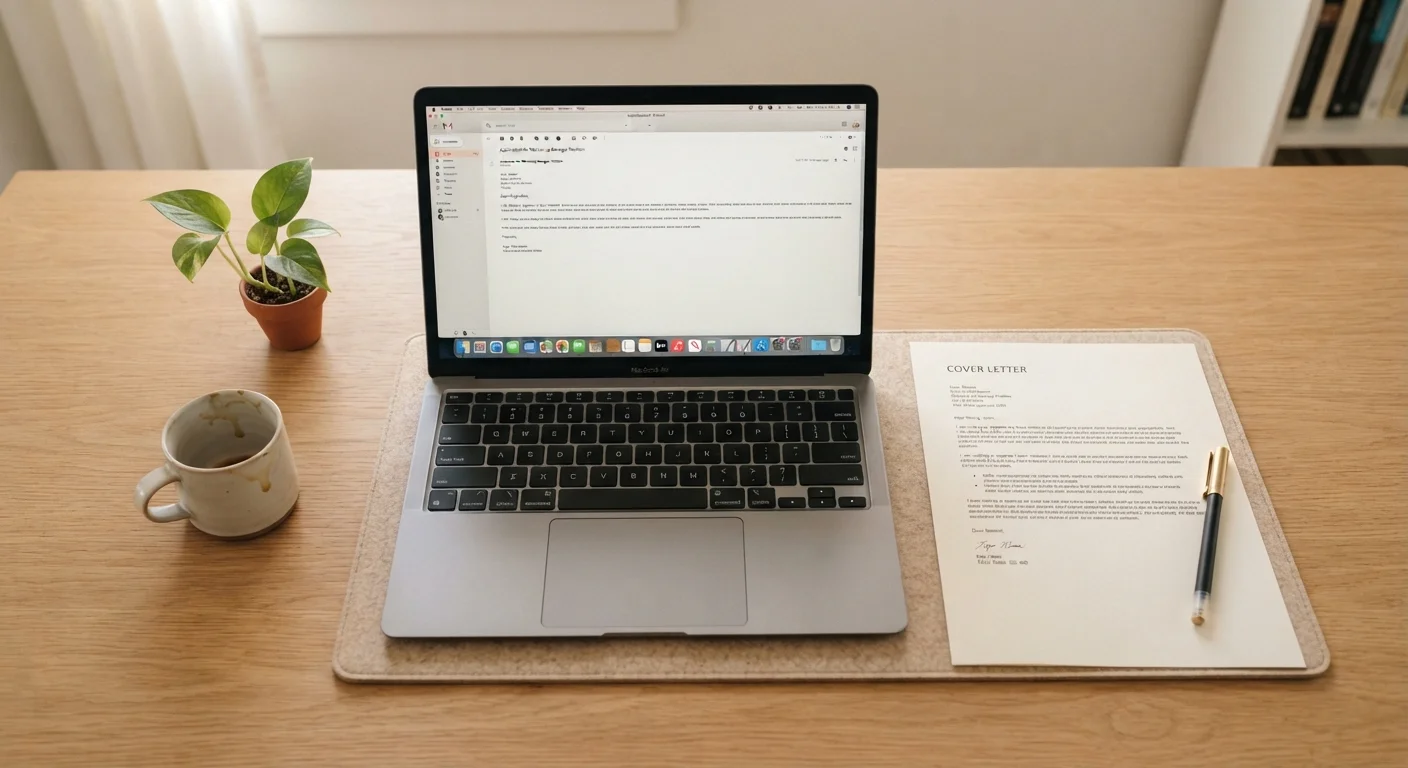
Photo credit: TrendingExperts.net
In this article
Opinions on cover letters are divided. Here's an honest look at when they help, when they don't, and what a useful one actually contains.
Key Takeaways
- Cover letters are not universally required, but they can still influence hiring decisions in specific contexts.
- When a posting explicitly requests one, skipping a cover letter is a clear signal of inattention.
- A strong cover letter adds context a resume cannot - explaining career changes, gaps, or unique fit.
- Generic cover letters often do more harm than good by signaling low effort.
- In high-volume, ATS-filtered roles, cover letters may never be read before screening.
Lets you explain what a resume cannot
A career pivot, a gap year, or a non-linear path needs context. A cover letter gives you space to frame those details before a recruiter draws the wrong conclusion.
Demonstrates genuine interest in the role
A letter that references the company's specific work signals you've done your homework - a meaningful differentiator when most applicants send identical materials everywhere.
Showcases communication and writing ability
For roles where written communication is core to the job - marketing, consulting, editorial, policy - the cover letter itself is a low-key skills demonstration.
Can be decisive at smaller organizations
At companies where a hiring manager personally reviews every application, a well-crafted letter can tip the balance in ways that rarely happen at large employers with automated pipelines.
Required by many postings - skipping it disqualifies you
Some employers treat the cover letter as a compliance checkpoint. Ignoring the request signals poor attention to detail before the hiring manager has read a single word about you.
Often never read in high-volume hiring
At large companies using applicant tracking systems (ATS), cover letters may not be reviewed until after a resume has cleared automated screening - and sometimes not at all.
Generic letters create a negative impression
A recycled letter with vague praise for 'your dynamic organization' signals low investment and can actively hurt an application that might otherwise have stood on its resume alone.
Time-intensive to do well at scale
Writing a genuinely tailored letter for every application is slow. When job searching at volume, that time cost is real and must be weighed against expected return.
Some recruiters openly say they skip them
Surveys of hiring professionals consistently show a portion who report not reading cover letters at all, meaning the effort is sometimes invisible to the very audience it targets.
Can introduce risks if poorly written
A cover letter with spelling errors, an inappropriate tone, or a rambling structure may disqualify an otherwise strong candidate who would have fared better with no letter at all.
The Honest State of Cover Letters Today
The cover letter debate has two sincere camps. One insists the document is a dying ritual that wastes applicants' time. The other argues it remains a meaningful signal of interest and communication skill. The honest answer is that both camps are partly right - and the real question is when a cover letter adds value versus when it's a formality nobody reads.
Understanding that question starts with knowing how hiring actually works. To get the full picture of what happens after you hit submit, see our overview of how the hiring process actually works today. The short version: most large employers use applicant tracking systems to filter resumes before a human reviews them, which means a cover letter may not be read until you're already past an initial screen - if it's read at all.
That reality doesn't make cover letters obsolete. It makes context essential.
~49%
Hiring managers who consider cover letters valuable
A survey by ResumeGo found roughly half of hiring managers still say cover letters influence their decisions, particularly for borderline candidates.
3x
Higher callback rate with tailored cover letters
ResumeGo's research suggested tailored cover letters produced notably higher callback rates compared to applications submitted without any letter.
Pros and Cons: A Balanced Look
Like most job search decisions, cover letters involve genuine trade-offs. Their value depends on the employer size, the role type, and - crucially - how much effort you're actually prepared to put into writing one.
Lets you explain what a resume cannot
A career pivot, a gap year, or a non-linear path needs context. A cover letter gives you space to frame those details before a recruiter draws the wrong conclusion.
Demonstrates genuine interest in the role
A letter that references the company's specific work signals you've done your homework - a meaningful differentiator when most applicants send identical materials everywhere.
Showcases communication and writing ability
For roles where written communication is core to the job - marketing, consulting, editorial, policy - the cover letter itself is a low-key skills demonstration.
Can be decisive at smaller organizations
At companies where a hiring manager personally reviews every application, a well-crafted letter can tip the balance in ways that rarely happen at large employers with automated pipelines.
Required by many postings - skipping it disqualifies you
Some employers treat the cover letter as a compliance checkpoint. Ignoring the request signals poor attention to detail before the hiring manager has read a single word about you.
Often never read in high-volume hiring
At large companies using applicant tracking systems (ATS), cover letters may not be reviewed until after a resume has cleared automated screening - and sometimes not at all.
Generic letters create a negative impression
A recycled letter with vague praise for 'your dynamic organization' signals low investment and can actively hurt an application that might otherwise have stood on its resume alone.
Time-intensive to do well at scale
Writing a genuinely tailored letter for every application is slow. When job searching at volume, that time cost is real and must be weighed against expected return.
Some recruiters openly say they skip them
Surveys of hiring professionals consistently show a portion who report not reading cover letters at all, meaning the effort is sometimes invisible to the very audience it targets.
Can introduce risks if poorly written
A cover letter with spelling errors, an inappropriate tone, or a rambling structure may disqualify an otherwise strong candidate who would have fared better with no letter at all.
When the Posting Says 'Optional'
If a job listing marks the cover letter as optional, treat it as an opportunity rather than a formality to skip. Submitting one - provided it's tailored and substantive - signals genuine interest. Declining the option is safe only if you have no meaningful context to add beyond your resume. When in doubt, write the letter.
What a Useful Cover Letter Actually Contains
The difference between a helpful cover letter and a harmful one comes down to specificity. A useful letter typically does four things:
- Opens with a concrete hook - not 'I am writing to apply for,' but a direct statement about why this specific role at this specific organization makes sense given your background.
- Bridges resume gaps or changes - if you're switching industries, returning after time away, or moving from individual contributor to manager, this is where you make that narrative legible. A resume alone rarely does it.
- Cites one or two specific points of fit - reference actual work from the company, a problem they face in their market, or a skill they explicitly called out in the posting. Generic praise signals you didn't do your homework.
- Closes without begging - express interest confidently and invite a conversation without over-explaining your eagerness.
Length should be short: three to four paragraphs, well under a page. Anything longer risks losing the reader before the key point lands.
For candidates whose applications rest on tailored materials, the cover letter works in tandem with a customized resume. Our piece on why tailoring your resume to each job actually matters covers the resume side of that equation.
When to Write One - and When to Skip It
A practical rule: write a cover letter when at least one of the following is true.
- The posting explicitly requests one.
- You have a non-linear background that needs framing.
- The organization is small enough that a human likely reads every application.
- The role involves writing, client communication, or relationship management.
- You have a genuine, specific connection to the company's mission or work.
Consider skipping - or investing minimal time - when applying to high-volume roles at large companies through ATS-heavy portals, particularly if the posting doesn't mention one and you have nothing distinctive to add beyond your resume.
If your application strategy involves sending materials to many employers quickly, factor in the time cost honestly. Applying broadly without differentiation has its own limits, which we explore in our look at job search myths that keep people stuck. A focused application with a strong letter often outperforms a dozen generic submissions.
The bottom line: a well-written, targeted cover letter is a real asset. A rushed, boilerplate one can do more damage than good. When you write one, make it count.

Author
Careers Editorial Team
Careers Editorial Team is the collective byline for our editorial team and contributor network. Articles published under this byline or an editorial pen name are researched, written, and reviewed according to our editorial standards for clarity, consistency, and independence before publication.
View all articles →