
Road Rage vs. Assertive Driving: Understanding the Line
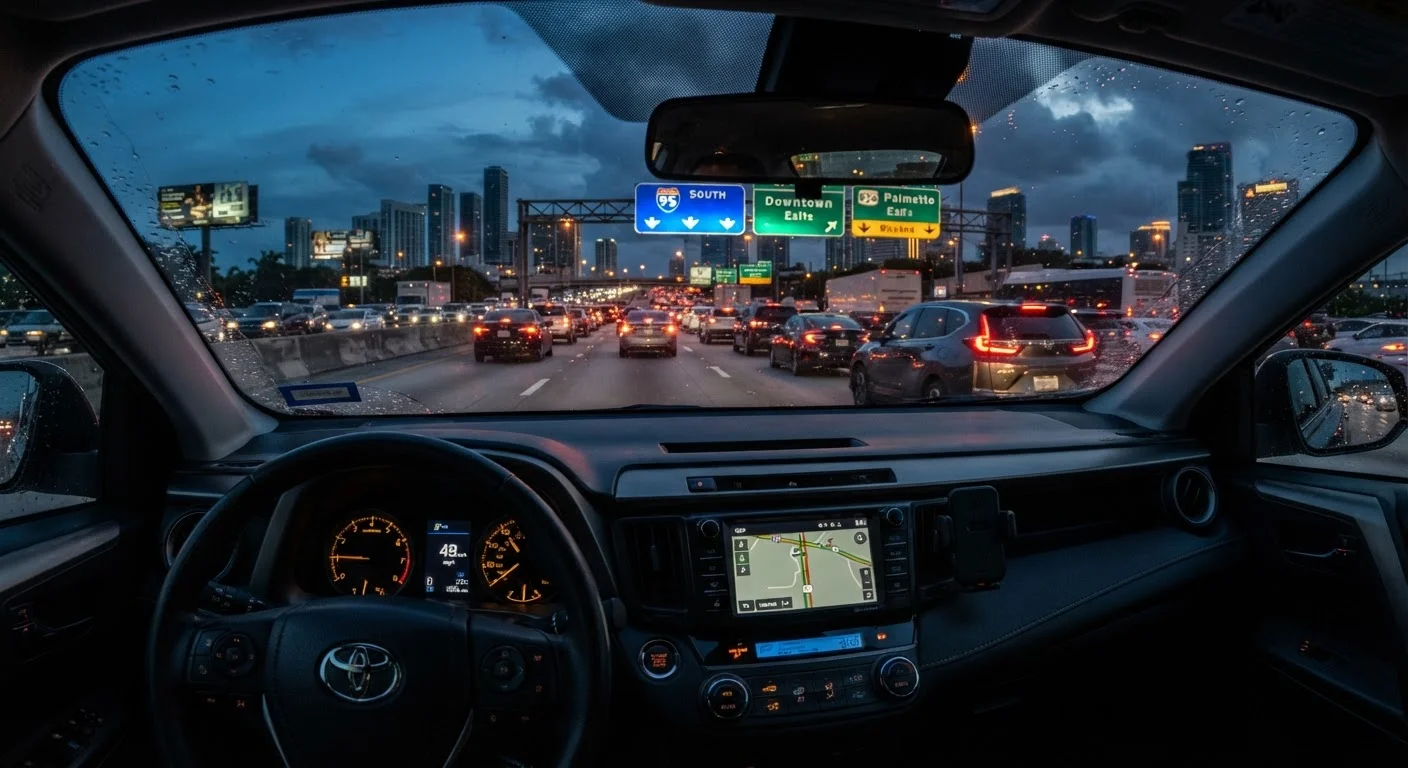
Photo credit: TrendingExperts.net
In this article
Confidence behind the wheel is not the same as aggression. Learn where the boundary sits and how escalating emotions affect driver decision-making.
Key Takeaways
- Assertive driving means making deliberate, confident moves within traffic laws - not forcing your way through.
- Road rage is defined by emotional escalation that overrides rational judgment and significantly raises crash risk.
- Physical symptoms of anger - tunnel vision, faster heart rate - actively impair driving ability.
- Recognizing early warning signs of frustration is the most effective way to prevent escalation.
- Responding to another driver's aggression by disengaging is nearly always the safest choice.
What Separates Assertive Driving from Road Rage
Most drivers have felt the impulse: someone cuts you off, brake-checks you, or sits in the passing lane well below the speed limit. What you do next determines which side of the line you're on.
Assertive driving means making clear, confident, and lawful decisions - signaling early, maintaining appropriate following distance, merging decisively when a gap is available, and communicating intent through proper use of headlights and horn. It is goal-oriented: the aim is to reach a destination safely and efficiently.
Road rage, by contrast, is emotionally driven. It involves behavior specifically intended to express anger or retaliate - tailgating at dangerous distances, aggressive honking, cutting off another driver intentionally, making threatening gestures, or in extreme cases, attempting to force another vehicle off the road. The National Highway Traffic Safety Administration (NHTSA) distinguishes aggressive driving (a traffic offense) from road rage (which can rise to criminal conduct), though the two often escalate from one to the other.
The core difference is intent and emotional state. An assertive driver who merges without much margin is solving a logistical problem. A driver in a rage state doing the same thing is making a point - and that shift in motivation dramatically changes how risks are evaluated. For more on the foundational mindset behind safe driving, see our guide for building confidence behind the wheel.
How Anger Physically Impairs Your Driving
Road rage is not just a behavioral problem - it's a physiological one. When anger spikes, the body's stress response releases adrenaline and cortisol. Heart rate climbs, muscles tense, and attention narrows. This last effect - sometimes called tunnel vision - is especially dangerous behind the wheel.
A driver focused on the car that just cut them off stops scanning intersections, monitoring mirrors, or tracking brake lights two or three cars ahead. Reaction times, which are already measured in fractions of a second, degrade further when the brain is processing a threat response rather than road information.
~80%
Drivers who report aggressive driving episodes
AAA Foundation for Traffic Safety research has consistently found that a large majority of U.S. drivers report experiencing or committing at least one form of aggressive driving in a given year.
56%
Road rage incidents involving firearms
Everytown for Gun Safety analysis of media-reported road rage incidents found firearms were involved in more than half of cases tracked over a multi-year period.
Anger also distorts time and distance perception. Drivers in an agitated state tend to underestimate following distances and overestimate their own control over a situation. This helps explain why many road rage incidents escalate rapidly: each perceived slight feels larger than it is, and each retaliatory move feels more justified than it should.
Understanding these biological mechanics isn't about excusing behavior - it's about recognizing that once you're in a genuine rage state, your ability to drive safely is compromised regardless of skill level. The safest response is always to create distance, both physically and emotionally, from the trigger.
Side-by-Side: Key Differences at a Glance
The table below outlines how assertive driving and road rage compare across the behaviors and decisions that matter most in real traffic situations.
| Criterion | Assertive Driving | Road Rage |
|---|---|---|
| Primary motivation | Efficient, safe progress | Expressing anger or retaliating |
| Emotional state | Calm, focused | Elevated, reactive |
| Following distance | Maintained appropriately | Reduced as intimidation |
| Horn use | Brief alert when needed | Prolonged or repeated honking |
| Response to cut-off | Adjust speed, maintain space | Chase, retaliate, or gesture |
| Risk awareness | Active and broad | Narrowed by tunnel vision |
| Legal exposure | Minimal when rules followed | Can rise to criminal charges |
It's worth noting that individual situations exist on a spectrum. A single frustrated horn tap after a near-miss is very different from following another driver for several blocks while leaning on the horn. Context, duration, and escalation pattern all matter when assessing where behavior falls on this scale.
Recognizing the Warning Signs - In Yourself and Others
The transition from assertive to aggressive doesn't usually happen all at once. It tends to build through smaller triggers: a slow commute, a string of perceived slights, fatigue, or stress carried over from outside the car. Drivers who learn to notice early warning signs in themselves are far better positioned to interrupt the escalation.
Common internal signals include:
- Gripping the steering wheel noticeably tighter
- Muttering or speaking loudly at other drivers
- A strong urge to honk or flash headlights in response to minor annoyances
- Feeling personally targeted by neutral traffic behavior
When you notice these signs, concrete strategies can help: reducing speed slightly to create more buffer space, switching to a less congested route if available, or simply taking a few slow breaths. These aren't just feel-good suggestions - they interrupt the physiological stress loop that degrades decision-making.
When confronted by another driver showing aggressive behavior, the consensus guidance from traffic safety experts is consistent: do not engage. Avoid eye contact, do not respond to gestures, and if a situation feels threatening, drive to a populated area or a police station rather than home. Defensive driving principles apply directly here - anticipate and create space before a situation requires a reaction.
If You Feel Threatened by Another Driver
Do not exit your vehicle or attempt to confront the other driver. Keep your doors locked and windows up. Drive to a well-lit, populated location - a gas station, shopping center, or police station - and call 911 if the behavior continues. Engaging, even verbally, almost always makes the situation worse.
Driving conditions themselves can amplify stress and trigger aggressive responses. Heavy rain, reduced visibility, and unpredictable traffic patterns all increase cognitive load. Our guide on driving in adverse weather covers how to adjust technique when conditions raise the stakes.

Author
Automotive Editorial Team
Automotive Editorial Team is the collective byline for our editorial team and contributor network. Articles published under this byline or an editorial pen name are researched, written, and reviewed according to our editorial standards for clarity, consistency, and independence before publication.
View all articles →