
Car Battery Basics: Signs It's Weakening and What Shortens Its Life
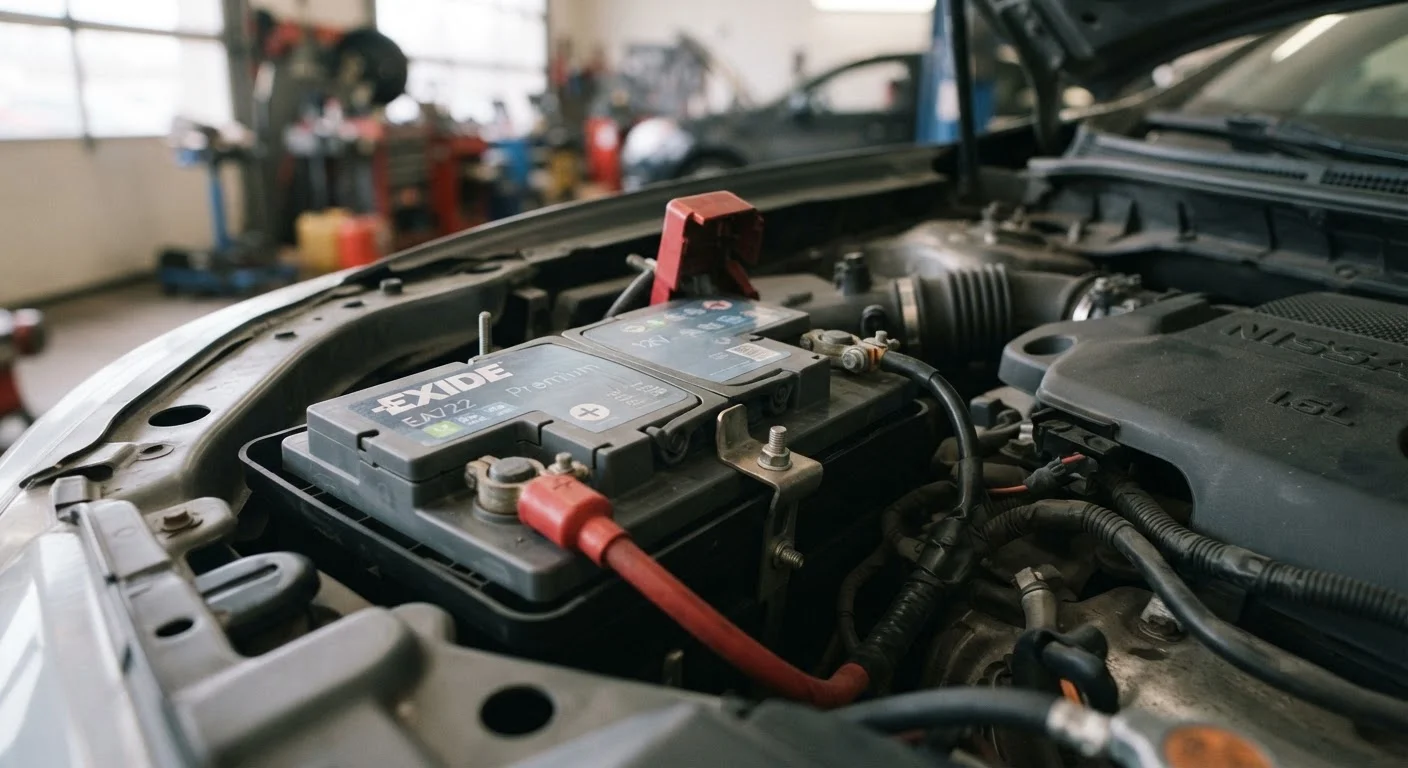
Photo credit: TrendingExperts.net
In this article
Learn what typical battery lifespan looks like, the early warning signs of a failing battery, and the habits that drain one faster than expected.
Key Takeaways
- Most car batteries last between three and five years under typical driving conditions.
- Slow engine cranking is one of the earliest and most reliable signs of a weakening battery.
- Extreme temperatures - both hot and cold - significantly accelerate battery aging.
- Short, frequent trips prevent the battery from fully recharging after each start.
- A battery warning light on the dashboard signals an electrical system issue worth investigating promptly.
- Having your battery tested periodically is simple and can prevent unexpected breakdowns.
How Long a Car Battery Is Designed to Last
Under typical driving conditions, a car battery is generally expected to last between three and five years. That range isn't a guarantee - it's a realistic window shaped by how and where the vehicle is driven. Some batteries reach six or seven years; others fail before the three-year mark.
The chemistry inside a lead-acid battery degrades with every charge-discharge cycle. Over time, the battery's ability to hold a full charge diminishes. This is a normal chemical process, not a defect. What varies is how quickly that degradation happens - and that's where driver habits and environment play a significant role.
Routine battery testing is one of the simplest ways to stay ahead of failure. Many repair shops and auto parts retailers will test a battery for free, providing a read on its remaining capacity. It's worth doing after the three-year mark, or any time slow cranking is noticed. See our guide to routine maintenance schedules for a broader look at when to schedule these checks.
Warning Signs of a Weakening Battery
Battery decline is usually gradual, and most drivers will notice something is off before a complete failure occurs. Knowing what to look for can make the difference between a planned replacement and an unexpected breakdown.
3-5 years
Typical car battery lifespan
AAA and automotive industry sources consistently cite this range as the expected service life for most passenger vehicle batteries under normal conditions.
~33%
Batteries that fail without warning
AAA has reported that roughly one in three battery failures occur without prior symptoms - underscoring the value of periodic testing.
Up to 60%
Reduction in battery capacity in extreme cold
Battery Council International notes that cold temperatures can substantially reduce a lead-acid battery's available power output, explaining why cold mornings expose weak batteries.
- Slow or labored cranking: If the engine turns over more slowly than usual when you start the car - especially on cold mornings - the battery may not be delivering full power.
- Dimming headlights: Headlights that appear noticeably dimmer at idle, then brighten when you rev the engine, suggest the battery and charging system are struggling to keep up.
- Electrical gremlins: Erratic behavior from power windows, the radio cutting in and out, or dashboard lights flickering can all point to inconsistent battery voltage.
- Battery warning light: This dashboard indicator signals a problem in the charging circuit - either the battery, the alternator, or the connections between them.
- Swollen battery case: Extreme heat can cause the battery casing to bulge. A visibly swollen battery should be inspected by a mechanic promptly - this is not a DIY situation.
It's important to note that some of these symptoms can also point to a failing alternator rather than the battery itself. A qualified mechanic can test both components at once to pinpoint the cause.
What Actually Shortens a Battery's Life
Several everyday habits and conditions put extra strain on a car battery, accelerating the wear that would otherwise happen over years.
Test Your Battery Proactively
Don't wait for symptoms to appear before checking battery health. Many service shops offer free battery load testing, and it takes only a few minutes. Testing annually after the battery reaches three years old gives you a useful heads-up before failure occurs - especially before winter, when cold temperatures put maximum demand on the battery.
Temperature Extremes
Heat is the leading cause of premature battery failure. High temperatures speed up the internal chemical reactions that degrade battery plates. Cold weather, on the other hand, reduces the battery's ability to deliver power - which is why cold mornings reveal weak batteries that seemed fine in summer. Drivers in climates with harsh summers or winters tend to see shorter battery lifespans.
Short, Frequent Trips
Every engine start draws a significant charge from the battery. The alternator then recharges it during driving - but that process takes time. If most trips are under 10-15 minutes, the battery may never fully recover between starts. Over months and years, this partial cycling takes a measurable toll.
Parasitic Drain
Modern vehicles draw small amounts of power continuously - for the clock, alarm system, and onboard computers. This is normal and manageable under typical use. Problems arise when an electrical fault causes an abnormally high draw, or when a vehicle sits unused long enough that even normal draw depletes the battery completely.
Corroded or Loose Connections
Corrosion at the battery terminals creates resistance in the circuit, meaning the battery works harder to deliver the same power. Loose cable connections can cause intermittent contact, adding stress. Keeping terminals clean is a simple maintenance step covered in resources like our car maintenance guide for new drivers.
What to Do When You Suspect Battery Trouble
If any warning signs appear, the practical first step is a battery load test - a quick diagnostic that measures how well the battery performs under the kind of demand it faces during engine startup. This is distinct from simply reading voltage with a basic meter, which can look normal even when a battery is significantly weakened.
If the battery tests as marginal or failed, a qualified mechanic or auto service technician can advise on replacement. When a battery is replaced, it's also worth having the charging system - particularly the alternator - tested at the same time, to rule out an underlying problem that might shorten the new battery's life too.
For drivers who leave a vehicle parked for extended periods, a battery maintainer (sometimes called a trickle charger) can keep the charge stable without overcharging. This is a practical option for seasonal vehicles, stored classics, or second cars that rarely move.
Understanding battery basics is part of the broader picture of vehicle ownership. Just as following a maintenance schedule protects other systems, staying aware of battery condition helps avoid the most common - and most preventable - cause of a car that won't start.
Frequently Asked Questions

Author
Automotive Editorial Team
Automotive Editorial Team is the collective byline for our editorial team and contributor network. Articles published under this byline or an editorial pen name are researched, written, and reviewed according to our editorial standards for clarity, consistency, and independence before publication.
View all articles →