
Brake Pad Wear: What the Sounds and Sensations Are Telling You
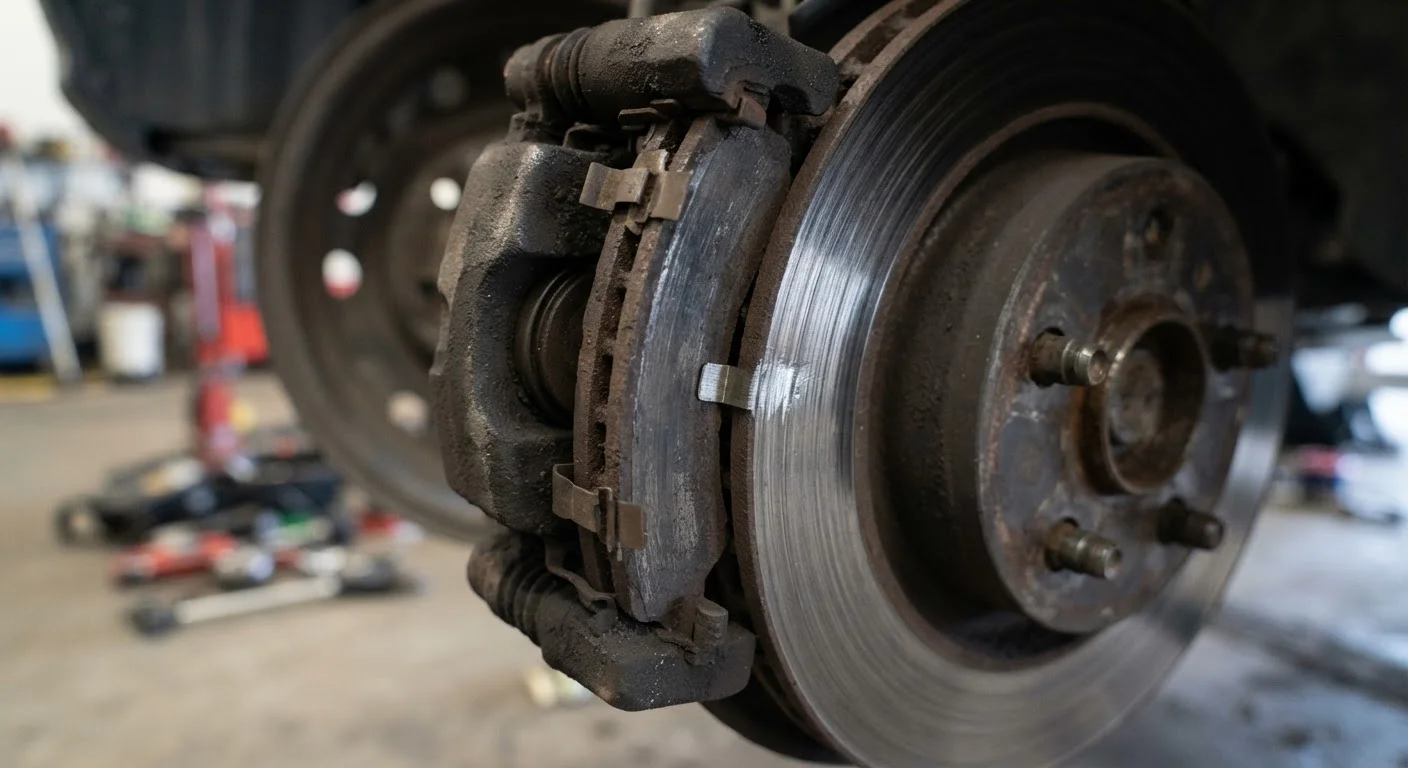
Photo credit: TrendingExperts.net
In this article
Squealing, grinding, or a pulsing pedal aren't just annoyances — they're signals. Learn what each brake symptom typically indicates and when to act.
Key Takeaways
- A high-pitched squeal is usually the first warning sign that brake pads are wearing low.
- Grinding sounds often mean metal-on-metal contact, which can damage rotors and require more expensive repairs.
- A pulsing or vibrating brake pedal may indicate warped rotors rather than worn pads.
- Pulling to one side when braking can signal uneven pad wear or a stuck caliper.
- Brake inspections are typically part of routine tire rotations - use that opportunity to check pad thickness.
- When in doubt about any brake symptom, have a qualified mechanic inspect the system promptly.
Why Your Brakes Make Noise - and What Each Sound Means
Brake noise is the system's built-in communication channel. Engineers deliberately design certain sounds into the braking system to alert drivers before a problem becomes dangerous. Understanding the difference between normal and abnormal brake sounds is one of the most practical skills any driver can have.
Squealing or squeaking: A high-pitched squeal - especially when first applying the brakes after the car has sat overnight - is sometimes normal. Morning moisture or light surface rust on rotors can cause a brief squeal that fades quickly. But a persistent squeal that occurs on most stops is almost certainly the wear indicator doing its job: a small metal tab is scraping the rotor to tell you the pad material is nearly exhausted.
Grinding or growling: A metallic grinding sound is a more urgent signal. It generally means the pad's friction material is gone and bare metal is contacting the rotor. At this stage, the rotor surface is being scored with every stop, which can turn a brake job into a significantly more expensive repair. A mechanic should inspect the vehicle as soon as possible.
Clicking or rattling: A light clicking sound when pressing or releasing the brake pedal can indicate a loose pad, a worn anti-rattle clip, or a hardware issue. While less immediately alarming than grinding, it's worth having checked during your next service visit.
Not All Brake Squeal Signals Worn Pads
Some brake pad formulations - particularly certain ceramic or semi-metallic compounds - can produce light squealing even when new and properly installed. Temperature extremes, wet conditions, and even fine dust can also cause temporary noise. Context matters: if squeal appears suddenly, persists across conditions, or is accompanied by other symptoms, treat it as a warning rather than background noise.
Sensations That Signal a Brake Problem
Sometimes brakes communicate through feel rather than sound. Paying attention to what the pedal and steering wheel tell you is equally important.
Pulsating or vibrating pedal: If the brake pedal pulses rhythmically under your foot during a stop - especially at highway speeds - the most common cause is rotor variation in thickness, sometimes called warping. As the rotor spins, the thicker and thinner sections cause the brake caliper to alternately grip and release, creating that pulsing sensation. This is a rotor issue more than a pad issue, but it still requires professional attention.
Pulling to one side: A vehicle that drifts left or right when braking may have uneven pad wear, a stuck caliper that's applying more pressure on one side, or a brake hose problem. Occasional minor pulling isn't unusual, but consistent directional pull under braking warrants inspection.
Soft or spongy pedal: A pedal that sinks unusually far before engaging - or feels soft and spongy - can indicate air in the brake lines or low brake fluid. This is a safety-critical symptom that should be evaluated by a qualified mechanic without delay, as it affects your ability to stop the vehicle reliably.
Car taking longer to stop: Reduced stopping performance is a clear sign something is wrong. Worn pads, glazed rotors, or fluid issues can all extend stopping distances in ways that drivers may not notice until a situation demands a quick stop.
Use Tire Rotations as a Brake Checkpoint
Every time you have your tires rotated - typically every 5,000 to 7,500 miles - ask the technician to check your brake pad thickness and rotor condition. This costs nothing extra and ensures your brakes get a trained eye on them at regular intervals, before warning sounds ever start.
How Brake Wear Fits Into Routine Maintenance
Brake pads don't wear on a fixed schedule the way oil does - the interval depends heavily on driving style, vehicle weight, and the type of roads you travel. City drivers who brake frequently can expect significantly shorter pad life than those who drive primarily on highways.
That said, brake inspection should be a regular part of vehicle upkeep. Most mechanics check pad thickness during tire rotations, which makes every rotation appointment a natural opportunity to get a brake health update. If you're following a maintenance schedule, understanding your vehicle's overall maintenance intervals can help you plan ahead rather than react to warning signs.
Visually, you can often see the brake pad through the wheel spokes on many vehicles. If the pad material looks thin - roughly less than a quarter inch - it's time to schedule an inspection. Your owner's manual may also specify inspection intervals or minimum pad thickness recommendations.
It's also worth knowing that not all four pads wear at the same rate. Front brakes typically handle more of the stopping load and wear faster. Rear pads often last significantly longer, though they still require periodic inspection.
For a broader picture of what your car is trying to tell you, understanding dashboard warning lights alongside brake symptoms can help you interpret your vehicle's full set of signals. And just as tires need attention before they become dangerous - see our guide on reading tire tread wear - brakes require the same proactive approach rather than waiting for a dramatic failure.
Frequently Asked Questions

Author
Automotive Editorial Team
Automotive Editorial Team is the collective byline for our editorial team and contributor network. Articles published under this byline or an editorial pen name are researched, written, and reviewed according to our editorial standards for clarity, consistency, and independence before publication.
View all articles →