
Car Ownership from Start to Finish: A Complete Financial Roadmap
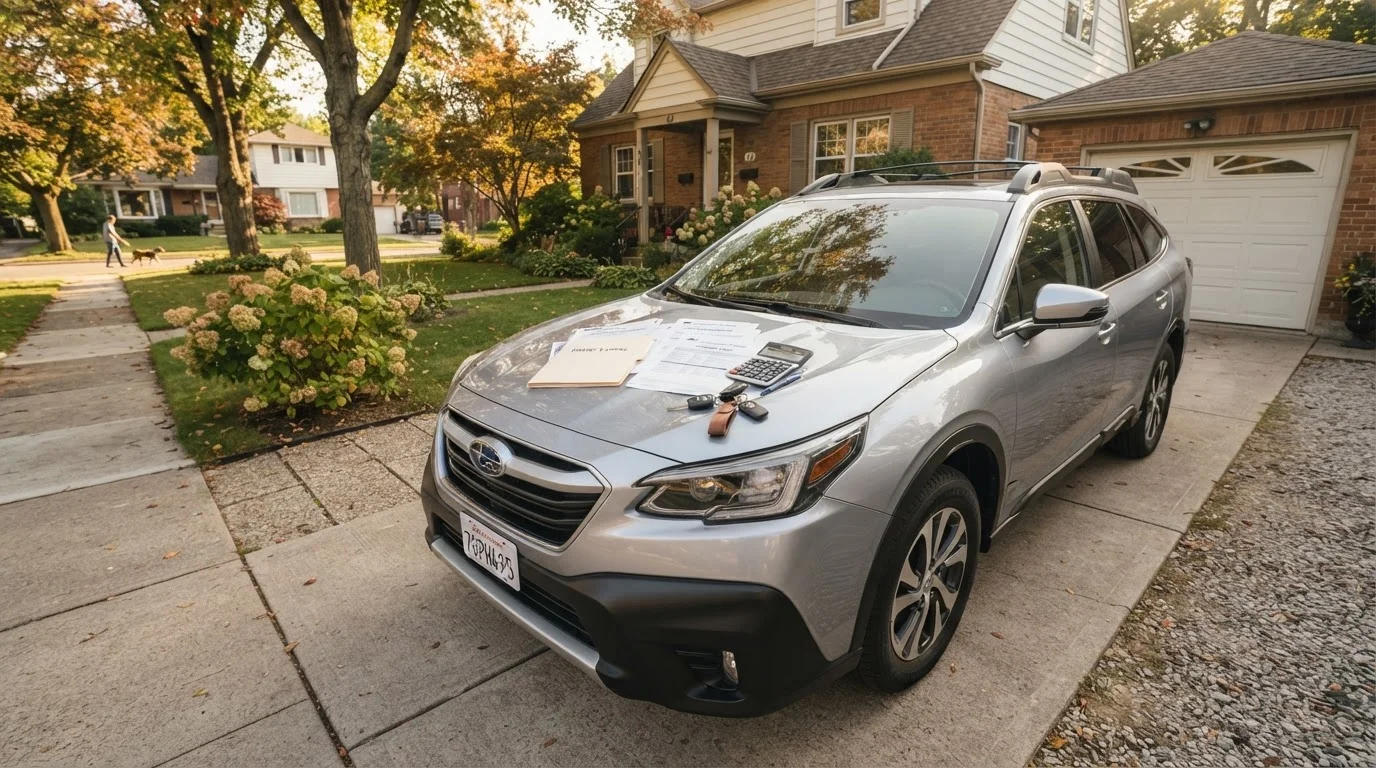
Photo credit: TrendingExperts.net
In this article
From budgeting before you buy to managing depreciation and eventual resale, this guide covers the full financial arc of owning a vehicle.
Key Takeaways
- Total cost of ownership extends well beyond the purchase price or monthly payment.
- A 15-20% down payment can meaningfully reduce interest paid over a loan's life.
- Depreciation typically claims the most value in a vehicle's first three years.
- Routine maintenance is one of the highest-return investments a car owner can make.
- Knowing your car's market value before negotiating a trade-in protects your equity.
- Insurance premiums vary widely - coverage type, driving history, and location all matter.
Setting a Realistic Budget Before You Buy
Most financial missteps in car ownership begin before the purchase paperwork is signed. A realistic budget accounts not just for monthly payments, but for every dollar you'll spend while owning the vehicle.
A commonly used guideline suggests keeping total vehicle expenses - payment, insurance, fuel, and maintenance - at or below 15-20% of your monthly take-home pay. That threshold shifts depending on your local cost of living, commute length, and financial obligations, but it provides a useful sanity check.
Before visiting a dealership, research the total cost of ownership (TCO) - a figure that incorporates depreciation, financing, fuel, insurance, maintenance, and registration over a defined ownership period. For a plain-English breakdown of these terms, see the Car Ownership Costs Glossary.
Calculate your all-in monthly cost - not just the loan payment - before committing to a purchase. Add estimated insurance, fuel, and a maintenance reserve to your payment figure.
Many buyers discover after signing that the total monthly burden is significantly higher than the payment they budgeted for, which can strain finances within months.
Request a vehicle history report and independent pre-purchase inspection before buying used. A few hundred dollars spent upfront can reveal costly problems before they become your responsibility.
Undisclosed accident history, odometer discrepancies, or deferred maintenance can turn a seemingly good deal into an expensive ownership experience.
Don't anchor your budget to what a lender is willing to approve. Lenders qualify based on creditworthiness, not on what comfortably fits your lifestyle. Build your number from your own budget first.
Financing, Loans, and What the Numbers Mean
When you finance a vehicle, you're borrowing a sum of money and repaying it with interest over a set term - typically 36 to 72 months. The three variables that determine your true cost are the principal (loan amount), the annual percentage rate (APR), and the loan term.
Longer loan terms reduce monthly payments but increase total interest paid. A 72-month loan at 7% APR on a $30,000 vehicle can cost thousands more in interest than the same loan paid over 48 months. Stretching payments also raises the risk of becoming upside-down - owing more than the car is worth - because vehicles depreciate faster than many loan balances shrink.
A larger down payment reduces principal from day one. A 15-20% down payment is a reasonable target that helps preserve equity as the vehicle ages. If you're unfamiliar with terms like GAP coverage or residual value, the ownership costs glossary offers clear definitions.
$12,000+
Average annual cost to own and operate a vehicle
According to AAA's annual Your Driving Costs study, the average American driver spends over $12,000 per year when all vehicle expenses are included.
~20%
Typical first-year depreciation on a new vehicle
Industry data consistently shows new vehicles can lose roughly 15-25% of their value in the first year of ownership.
72 months
Most common new car loan term in the U.S.
Experian's State of the Automotive Finance Market reports that 72-month loans have become one of the most frequently chosen terms for new vehicle financing.
Insurance: Coverage Types and Cost Factors
Auto insurance is a legal requirement in nearly every U.S. state, but the minimum required coverage varies significantly. Understanding the major coverage types helps you make informed decisions rather than defaulting to the cheapest or most expensive option.
- Liability: Covers damage you cause to other people or their property. Required in most states.
- Collision: Pays for damage to your vehicle from an accident, regardless of fault.
- Comprehensive: Covers non-collision events - theft, weather damage, falling objects.
- Uninsured/underinsured motorist: Protects you if the at-fault driver lacks adequate coverage.
Premiums are influenced by your driving record, age, location, vehicle type, annual mileage, and credit history in states where insurers are permitted to use it. Raising your deductible lowers premiums, but increases out-of-pocket costs after a claim - a tradeoff worth considering based on your financial cushion.
Ongoing Ownership Costs Most Drivers Underestimate
The purchase is a one-time event; ownership is a continuous financial commitment. Many drivers focus heavily on the monthly payment and overlook recurring costs that collectively add up to a significant annual figure.
Fuel is often the most visible recurring expense. Fuel costs depend on engine efficiency, local gas prices, and how much you drive. Registration and taxes vary by state and vehicle value. Parking and tolls are easy to forget during budgeting but can be substantial in urban areas.
Maintenance is where preparation pays real dividends. Following manufacturer-recommended service intervals - oil changes, tire rotations, brake inspections, fluid checks - prevents small issues from becoming expensive repairs. For a practical introduction to building these habits, see Car Maintenance for New Drivers. The full scope of routine upkeep is covered in the Car Maintenance hub.
Setting aside a monthly vehicle reserve fund - even a modest amount - creates a financial buffer for unexpected repairs without disrupting your broader budget.
Depreciation and Protecting Your Vehicle's Value
Depreciation is the reduction in a vehicle's market value over time. It is typically the single largest cost of car ownership, yet it's invisible on your monthly statement. A new vehicle can lose a substantial portion of its value within the first few years of ownership, with the steepest decline often occurring in year one.
You can't stop depreciation, but you can manage its impact. Keeping mileage reasonable, maintaining complete service records, avoiding modifications that narrow the buyer pool, and preserving the vehicle's condition all support resale value over time.
Buying a vehicle that is one to three years old allows someone else to absorb the steepest depreciation curve while you still benefit from relatively modern technology and remaining manufacturer warranty coverage.
Selling or Trading In: Exiting Ownership Wisely
When it's time to move on from a vehicle, you generally have two options: sell it privately or trade it in at a dealership. Each path has financial tradeoffs worth understanding before you decide.
A private sale typically yields a higher return because you're selling directly to a buyer. The process takes more time and involves handling inquiries, arranging test drives, and navigating paperwork. A trade-in is more convenient - the dealership handles the transaction - but the offer tends to be lower than private-market value because the dealer builds in their resale margin.
Before entering any negotiation, research your vehicle's current market value using reputable valuation tools. Walk in knowing your number. If you still owe money on the vehicle, subtract the loan payoff amount from the market value to understand your actual equity position.
Understanding road safety practices throughout ownership also contributes to a vehicle's condition at resale - see the Driving and Safety hub for guidance on responsible vehicle operation. Thoughtful ownership from day one makes the exit easier and more financially sound.

Author
Automotive Editorial Team
Automotive Editorial Team is the collective byline for our editorial team and contributor network. Articles published under this byline or an editorial pen name are researched, written, and reviewed according to our editorial standards for clarity, consistency, and independence before publication.
View all articles →