
Car Maintenance for New Drivers: Building Habits That Protect Your Vehicle
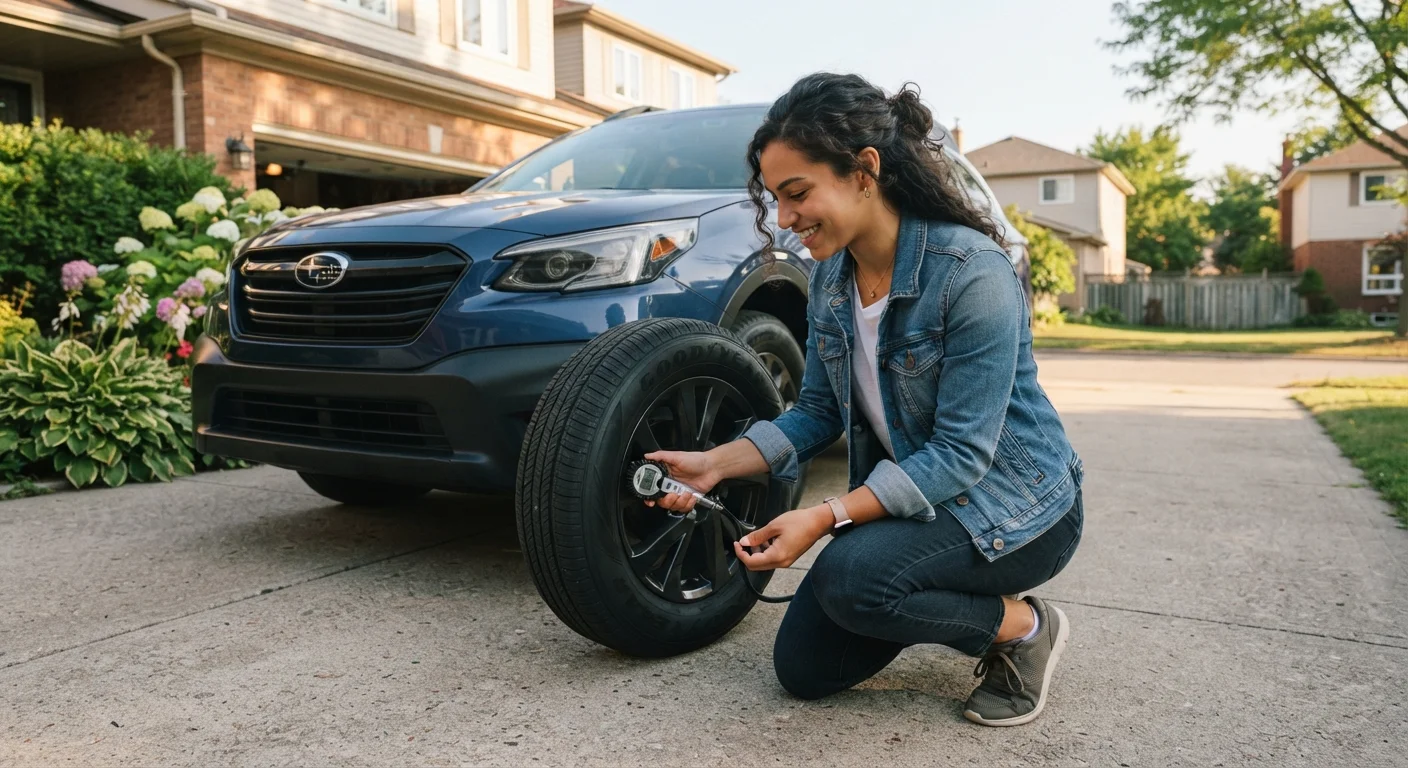
Photo credit: TrendingExperts.net
In this article
New to owning a vehicle? This grounded introduction covers the routine tasks, warning signs, and maintenance mindset that help any car last longer and run safer.
Key Takeaways
- Routine maintenance tasks are largely simple, low-cost habits that prevent expensive repairs later.
- Your owner's manual is the most reliable source for your vehicle's specific service intervals.
- Recognizing warning signs early - lights, sounds, smells - is a core driver skill.
- Some tasks are safe for careful beginners; others genuinely require a trained mechanic.
- A written maintenance log helps you stay organized and can support resale value.
Why Maintenance Habits Matter From Day One
A car is one of the most significant ongoing financial commitments most people carry. Yet for many new drivers, routine maintenance remains a vague obligation - something to deal with when a dashboard light appears or a noise gets hard to ignore. That reactive approach tends to be costly.
Vehicles are engineered with specific service needs, and staying ahead of those needs consistently is what separates cars that run well for 150,000 miles from those that develop chronic, expensive problems well before that. The good news: most routine maintenance tasks are straightforward, affordable, and genuinely within reach for drivers with no mechanical background. Understanding the full financial picture of car ownership - including maintenance costs - helps you plan more confidently from the start.
The Core Routine Tasks Every New Driver Should Know
You don't need to be a mechanic to stay on top of vehicle maintenance. A handful of recurring tasks cover the vast majority of what keeps a car reliable.
Owner's manual
The booklet provided with your vehicle that contains manufacturer-specified maintenance intervals, fluid types, and operating instructions. It is the most authoritative guide for your specific car.
Service interval
The recommended time or mileage between a specific maintenance task, such as an oil change or tire rotation. These vary by vehicle and driving conditions.
TPMS
Tire Pressure Monitoring System - a sensor-based system that alerts you via a dashboard light when one or more tires fall below the recommended pressure.
Synthetic oil
A type of engine oil manufactured through a chemical process that typically offers better performance and longer service intervals than conventional (petroleum-based) oil.
Deferred maintenance
Maintenance that has been postponed past its recommended schedule. Deferred maintenance often leads to accelerated wear and more expensive repairs.
Engine Oil
Oil lubricates the engine's moving parts and degrades over time. Your owner's manual specifies the correct oil type and change interval for your vehicle - that document is more reliable than generalized rules of thumb. For more detail on checking your oil level between service visits, see our guide to fluid checks every driver should know.
Tire Pressure and Condition
Correct tire pressure affects safety, fuel efficiency, and how long tires last. Check pressure monthly with an inexpensive gauge - the recommended pressure is listed on a sticker inside the driver's door jamb, not on the tire sidewall. Visually inspect tires for uneven wear or visible damage regularly. A pre-drive walk-around is a practical habit that catches tire issues early.
Windshield Wipers and Washer Fluid
Worn wiper blades reduce visibility in rain - one of the simplest and most overlooked safety items. Replace blades when they streak or skip, typically every six to twelve months depending on climate. Washer fluid is easy to top off yourself.
Air Filters
Your vehicle has two air filters with separate jobs: one for the engine, one for the cabin air you breathe. Both have replacement intervals outlined in your owner's manual. Learn more about cabin vs. engine air filters to understand what each one does and when it needs attention.
Seasonal Considerations
Different seasons place different demands on your vehicle. A seasonal maintenance checklist can help you stay ahead of weather-related wear on tires, fluids, and batteries.
Warning Signs You Should Never Ignore
Dashboard warning lights exist for a reason. A check engine light, oil pressure warning, or brake system alert each points to a condition that needs prompt evaluation - ignoring these signals often converts a minor fix into a major repair.
Learn Your Car's Normal Before Something Goes Wrong
Spend a few drives paying attention to how your car normally sounds, feels, and handles. Noticing a new rattle, vibration, or pull in steering is much easier when you have a baseline sense of normal. This awareness is one of the most practical diagnostic skills a driver can develop - no technical knowledge required.
Beyond lights, pay attention to changes in how the car sounds, handles, or smells. A grinding noise when braking, a vibration at highway speed, a burning smell after driving, or fluid spots where you park are all cues that something warrants inspection. You don't need to diagnose the cause yourself - recognizing that something has changed is the skill. From there, a qualified mechanic can identify the problem.
Delaying attention to warning signs is a pattern that consistently leads to higher repair bills. Deferred maintenance compounds - what costs little to fix today can cost significantly more after weeks of further wear.
When to DIY and When to See a Mechanic
Not all maintenance tasks carry the same complexity or risk. Some are genuinely beginner-friendly: checking and topping off fluids, inspecting tire pressure, replacing wiper blades, and swapping a cabin air filter on many vehicles. These tasks are low-stakes, well-documented, and don't require specialized tools.
Others - brake service, suspension work, timing belt replacement, or anything involving the fuel or electrical system - carry real safety implications if done incorrectly. For these, a qualified mechanic isn't just a convenience; it's the appropriate choice. Our guide to DIY vs. shop maintenance offers a practical framework for deciding which category a given task falls into.
When you do take your vehicle in for service, ask questions. A good shop will explain what was done and why. Building a relationship with a trustworthy mechanic is itself a valuable long-term habit.
Building a Maintenance Mindset That Sticks
The most reliable maintenance habit is a simple one: follow your owner's manual and write things down. Keeping a record of every service - what was done, when, and at what mileage - gives you a clear picture of where you stand and helps you spot patterns. A well-kept vehicle maintenance log also adds transparency if you ever sell the car.
Set calendar reminders for recurring tasks. Keep your owner's manual accessible - in the glovebox, or as a digital download from the manufacturer's site. And be appropriately skeptical of widely repeated maintenance myths; some popular beliefs about car care are simply outdated. Our article on persistent car maintenance myths covers several that new drivers commonly encounter.
Good maintenance habits aren't about being a car enthusiast. They're about treating a significant asset with reasonable care - protecting your safety, your budget, and the vehicle's long-term reliability.
Vehicle Owner's Manual (Manufacturer Site)
Most automakers make owner's manuals available as free PDF downloads on their official websites. If you've misplaced the physical copy, this is the fastest way to access your vehicle's service schedule and specifications.
Maintenance Log Template
A simple written or digital log tracking service dates, mileage, and what was done helps you stay on schedule and provides documentation that can support resale value and warranty claims.
Tire Pressure Gauge
An inexpensive handheld tire pressure gauge allows you to check all four tires quickly at home. Regular checks - at least monthly and before long trips - are one of the easiest maintenance habits to build.
Frequently Asked Questions

Author
Automotive Editorial Team
Automotive Editorial Team is the collective byline for our editorial team and contributor network. Articles published under this byline or an editorial pen name are researched, written, and reviewed according to our editorial standards for clarity, consistency, and independence before publication.
View all articles →