
Before You Back Out: A Pre-Drive Safety Routine Worth Building
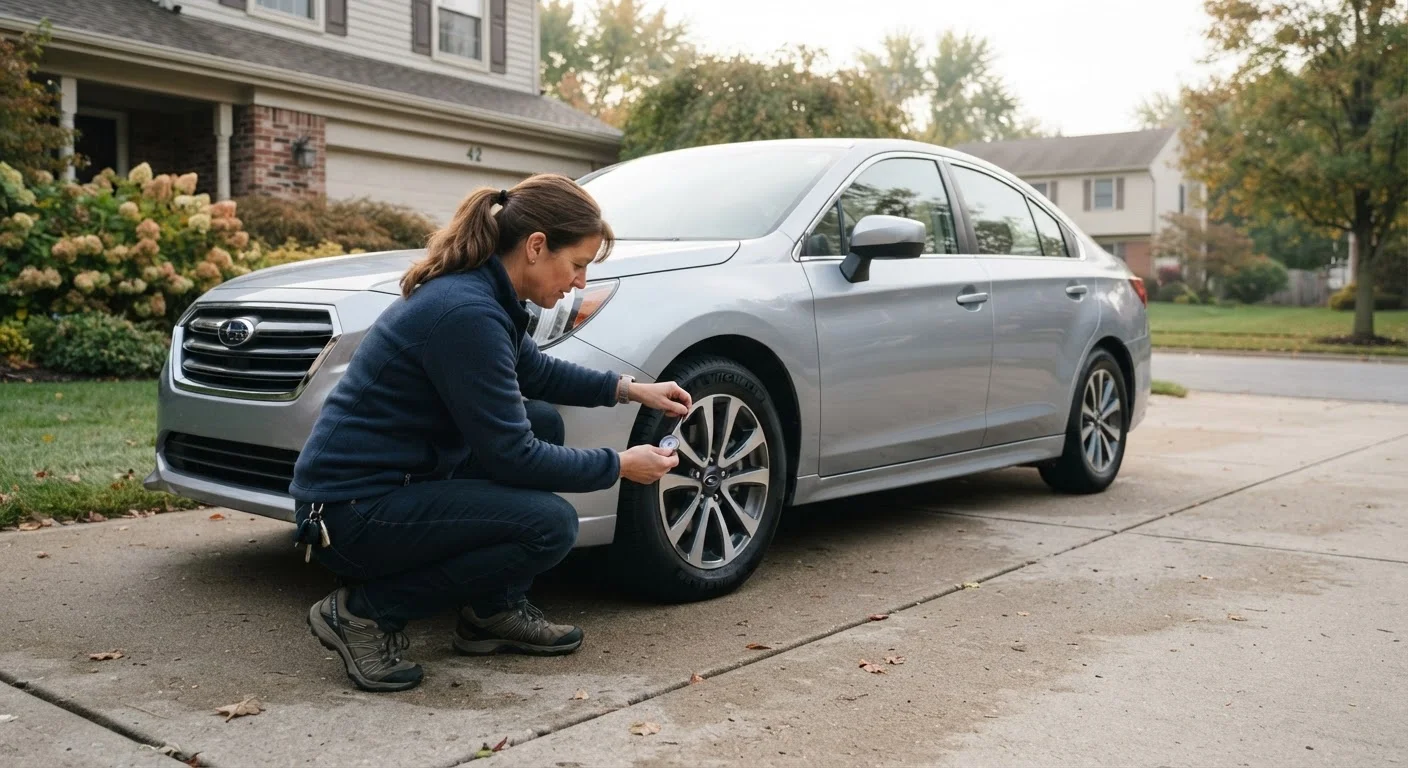
Photo credit: TrendingExperts.net
In this article
A quick walk-around and a few habit checks before every trip can catch problems before they turn dangerous. Here's what to look for each time.
Key Takeaways
- A pre-drive routine takes under three minutes but can prevent accidents, breakdowns, and costly repairs.
- Tires, lights, mirrors, and driver readiness are the four pillars of a reliable pre-trip check.
- Most dangerous vehicle issues - low tire pressure, burnt-out lights, fluid leaks - are visible before you move.
- Consistent habits matter more than perfection; even a partial check is better than none.
- New and experienced drivers alike benefit from building this routine early and maintaining it.
Why a Pre-Drive Check Pays Off Every Time
Most vehicle problems don't appear out of nowhere - they give early warning signs that are easy to catch if you're looking. A tire may have lost significant pressure overnight. A brake light may have burned out since your last trip. A puddle under the car might indicate a fluid leak that worsens under load. The two minutes you spend checking before you move are far less costly than the consequences of missing these signals on the road.
This routine is especially valuable for new drivers building foundational habits. See our guide for new drivers for broader situational awareness skills that complement what you'll find here. And if you want to understand which checks belong in a monthly or seasonal maintenance schedule rather than a daily routine, the routine maintenance schedule guide is a useful companion read.
The goal of this checklist isn't to turn every trip into a mechanical inspection. It's to build a consistent, efficient habit - the kind that becomes automatic after a few weeks of practice.
Exterior Walk-Around
Interior and Controls
Driver Readiness
Weekly Under-Hood Check
What to Bring and Know Before You Start
You don't need any special tools to complete this routine. Most checks are visual or tactile and take only seconds each. A few items - a tire pressure gauge, for instance - are inexpensive and worth keeping in the glove compartment.
Tire Pressure Gauge
Measures actual tire PSI so you can verify each tire is properly inflated before driving.
Small Flashlight or Phone Torch
Helps inspect tires, fluid spots under the vehicle, and under-hood components in low-light conditions.
Clean Rag or Paper Towel
Used to wipe the oil dipstick before reading the level and to identify fluid type from ground spots.
One element that's easy to overlook: your own readiness to drive. Fatigue, distraction, and stress impair driving ability in measurable ways, even when they feel manageable. Before you start the car, take a brief honest inventory of your mental state. If you're significantly sleep-deprived or emotionally overwhelmed, those conditions affect your reaction time and decision-making - regardless of how well your car checks out. For a closer look at how small distractions compound behind the wheel, see our article on distracted driving habits that feel harmless.
Dashboard Warning Lights Require Follow-Up
If a warning light - particularly the check engine, brake, oil pressure, or temperature light - is illuminated when you start the car, do not simply dismiss it and drive. Some warnings indicate conditions that can cause rapid mechanical failure or unsafe vehicle behavior. Consult your owner's manual for the specific light's meaning, and have the vehicle inspected by a qualified mechanic before driving extended distances.
Using This Checklist Over Time
Think of this routine in three layers: a quick daily scan (tires, lights, mirrors, your own readiness), a weekly glance under the hood at fluids and belts, and a seasonal check of wiper blades, battery terminals, and tire tread depth. Our fluid checks guide walks through the under-hood items in more detail, including what normal levels look like and when a reading signals a problem worth addressing.
Mirrors and camera systems deserve a specific mention. Many drivers assume their backup camera or side mirrors eliminate blind spots entirely - they don't. Understanding where the coverage gaps actually are will change how you use those tools. The article on blind spots, mirrors, and camera gaps covers this in practical terms.
Finally, if you're a newer car owner building your first vehicle care habits, the car maintenance guide for new drivers offers a grounded introduction to the broader mindset behind keeping a vehicle safe and reliable - a natural next step once this pre-drive routine becomes second nature.

Author
Automotive Editorial Team
Automotive Editorial Team is the collective byline for our editorial team and contributor network. Articles published under this byline or an editorial pen name are researched, written, and reviewed according to our editorial standards for clarity, consistency, and independence before publication.
View all articles →