
Keeping a Vehicle Maintenance Log: What to Track and Why It Matters
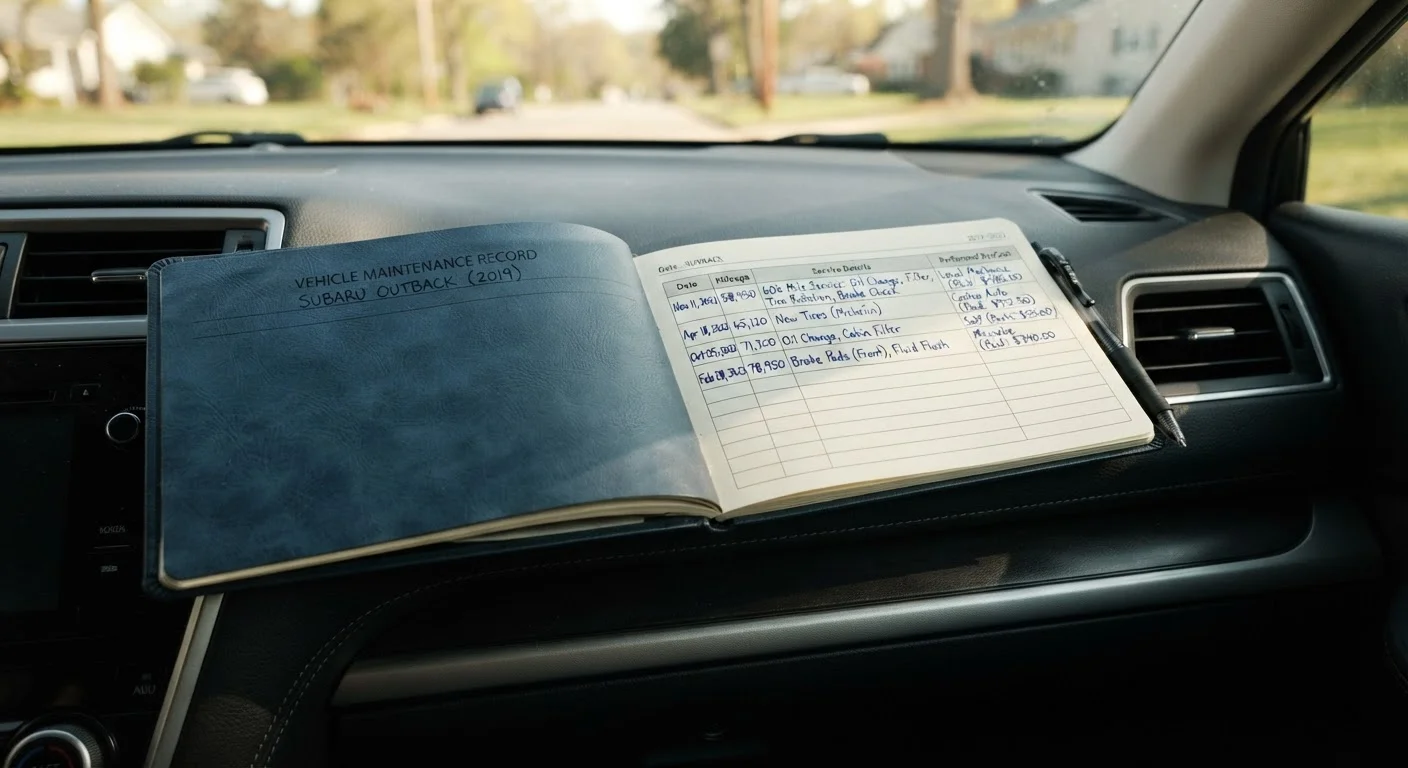
Photo credit: TrendingExperts.net
In this article
A consistent service record protects your car's reliability, supports warranty claims, and adds transparency when it's time to sell. Here's what a good log includes.
Key Takeaways
- A maintenance log creates a verifiable service history that supports warranty claims and resale value.
- Recording mileage, date, service type, and cost for every visit gives you a complete picture of your vehicle's health.
- Digital apps and simple paper notebooks are both effective - consistency matters more than format.
- Gaps in service records can raise red flags for buyers and complicate dispute resolution with repair shops.
Why a Maintenance Log Is Worth the Effort
Most drivers keep up with oil changes and tire rotations but never write any of it down. That's a missed opportunity. A vehicle maintenance log - even a basic one - gives you a running account of everything done to your car, when it was done, and at what mileage. That record pays dividends in ways that aren't always obvious until you need them.
When a warranty dispute arises, a documented service history can be the difference between a covered repair and an out-of-pocket expense. When you're ready to sell, a complete log signals to buyers that the vehicle was cared for - which can support your asking price and accelerate a sale. And for your own day-to-day ownership, a log makes it easy to spot patterns: a part that keeps failing, a fluid that depletes unusually fast, or a service interval you've been stretching too long.
For drivers building sound habits early, the Car Maintenance for New Drivers guide offers a practical foundation that pairs well with consistent record-keeping.
“A vehicle's service history is like a medical record - it tells the story of how the car was treated and gives the next owner or technician the context they need to make good decisions.”
— Automotive Editorial Team, Vehicle ownership and maintenance guidance
What to Record With Every Service
A useful log entry doesn't require technical expertise - it requires completeness. For each service visit or maintenance task, aim to capture the following:
- Date of service - when the work was done
- Odometer reading - the mileage at time of service, not just the interval
- Type of service performed - oil change, tire rotation, brake inspection, filter replacement, etc.
- Parts replaced or fluids added - note the type (e.g., synthetic 5W-30 oil, cabin air filter) where relevant
- Shop or technician name - who performed the work, in case you need to follow up
- Cost - useful for budgeting and spotting pricing anomalies over time
- Next service due - the recommended mileage or date for the follow-up, if applicable
This level of detail takes less than five minutes per entry and builds a record that becomes genuinely valuable over time. For guidance on understanding service intervals themselves, see Routine Maintenance Schedules: What Your Vehicle Actually Needs and When.
Format Options and Getting Started
There's no single right format for a maintenance log. What matters is that you actually use it. Common approaches include:
- Paper logbooks - dedicated notebooks sold at auto parts stores, or a simple spiral notebook kept in the glove compartment. Low-tech, always accessible, and doesn't rely on a charged battery or internet connection.
- Spreadsheets - a Google Sheet or Excel file that you update after each service. Easy to search, sort, and share with a mechanic or prospective buyer.
- Mobile apps - several apps are designed specifically for vehicle maintenance tracking, offering reminders and mileage estimates. Check app store reviews for reliability before committing to one.
Whichever format you choose, keep it consistent. A log that's updated sporadically is less useful than one that's filled in every time, even if the entries are brief. Pair your log habit with a reminder - a calendar alert at each oil change interval, for example - to prevent gaps.
Thoughtful record-keeping extends beyond vehicles. The principles of consistent logging apply broadly to any asset you depend on, from cars to computers. For context, see how similar habits apply in keeping a laptop running well for years.
Using Your Log as an Ownership Tool
A maintenance log works best when you treat it as a living document rather than an archive. Review it before any major service appointment - if a shop recommends a repair you don't recognize, your log can confirm whether that service was recently performed or is genuinely due. This gives you an informed basis for asking questions, not to second-guess professionals, but to participate confidently in decisions about your own vehicle.
When selling privately or trading in, present the log early. A buyer or dealership that can see a consistent, documented service history has less reason to negotiate aggressively on price or raise concerns about the vehicle's condition. Transparency builds trust in a transaction where trust is often scarce.
Maintenance logs also support the broader goal of responsible vehicle ownership covered in the Buying & Owning hub - understanding not just how to care for your car, but how that care affects its long-term cost and value. A well-maintained vehicle driven with care connects naturally to safer driving habits as well; the Driving & Safety hub offers practical guidance on that side of ownership.

Author
Automotive Editorial Team
Automotive Editorial Team is the collective byline for our editorial team and contributor network. Articles published under this byline or an editorial pen name are researched, written, and reviewed according to our editorial standards for clarity, consistency, and independence before publication.
View all articles →