
Defensive Driving: What It Actually Means on Today's Roads
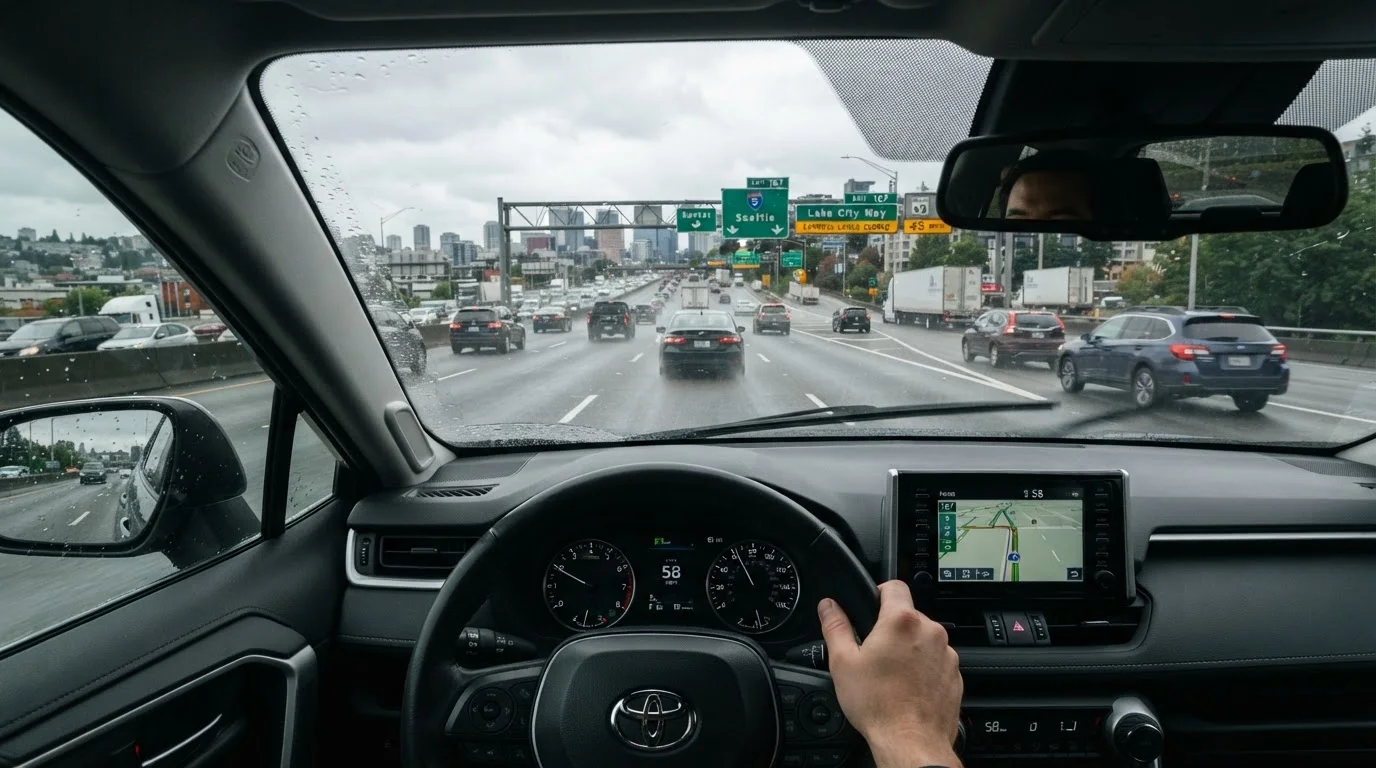
Photo credit: TrendingExperts.net
In this article
Defensive driving goes beyond following rules. Learn the core principles that help drivers anticipate hazards before they become emergencies.
Key Takeaways
- Defensive driving means anticipating hazards, not just reacting to them after the fact.
- Maintaining a safe following distance is one of the most consistently effective defensive habits.
- Scanning well ahead - not just the car in front - gives drivers more time to respond.
- Distraction, fatigue, and overconfidence are among the greatest threats to defensive driving.
- Defensive techniques apply across all conditions: city streets, highways, and adverse weather.
- A well-maintained vehicle is an essential part of staying safe on the road.
Beyond the Rulebook: What Defensive Driving Really Is
Most drivers learn the rules of the road - speed limits, right-of-way, signal usage - and consider that sufficient. Defensive driving asks for something more: a continuous, active process of reading the road, predicting risk, and making adjustments before a situation forces your hand.
The core idea is that you cannot control what other drivers do, but you can control how well-prepared you are to respond. A defensive driver assumes that errors will happen - a car may cut across lanes without signaling, a pedestrian may step off the curb unexpectedly, a driver ahead may brake hard for no apparent reason - and positions themselves to handle those moments without panic.
This mindset shifts driving from a passive task (point, steer, follow the rules) into an active one that demands consistent attention. It's a skill set, not a personality type. Anyone can learn and practice it.
Defensive Driving Courses Are Widely Available
Formal defensive driving courses are offered across the United States through organizations such as the National Safety Council and AAA, as well as through many state DMV programs. Completing a recognized course may qualify you for a reduction in insurance premiums or removal of points from a driving record, depending on your state. Check your state's DMV website for approved providers.
The Core Principles That Define Defensive Driving
While defensive driving encompasses many habits, a few principles form its practical backbone:
- Scan ahead, not just immediately in front of you. Looking two to four seconds ahead is fine in slow traffic, but at highway speeds, looking 10 to 15 seconds ahead gives your brain the processing time it needs. This means seeing a slowdown develop - not discovering it when the car in front locks its brakes.
- Maintain a cushion of space. Following distance is time. More space equals more time to react. The three-second rule (see FAQ) is a reliable minimum; expand it in rain, fog, or darkness. This connects directly to the kind of condition-specific adjustments covered in our guide to driving in adverse weather.
- Expect the unexpected. Watch for vehicles in blind spots before changing lanes, slow for intersections even when you have the green light, and give wide berth to large trucks whose drivers have significant visibility limitations.
- Manage your own state. Fatigue, stress, and distraction impair judgment as reliably as any external hazard. If you're not fit to drive attentively, pulling over is itself a defensive act.
94%
Crashes involving human choice or error
According to NHTSA research, approximately 94% of serious crashes involve human decision-making as a critical factor - the primary target defensive driving addresses.
3 seconds
Minimum recommended following distance
Safety organizations including the National Safety Council recommend the three-second rule as a baseline following distance in normal driving conditions.
~1.35M
Annual global road traffic deaths
The World Health Organization estimates roughly 1.35 million people die in road traffic crashes each year, underscoring why driver behavior matters at scale.
Distraction: The Hidden Opponent
Modern roads present a new category of defensive challenge: the distracted driver. In-vehicle screens, smartphones, and even voice-activated systems pull attention away from the road in ways that feel minor but aren't. Research consistently shows that cognitive distraction - even hands-free phone conversations - degrades hazard response times meaningfully.
Being a defensive driver today means understanding that many of the vehicles around you are being operated by someone whose attention is divided. Our in-depth look at distracted driving habits examines what the science actually shows about these moments.
Defensive practice here is simple but demanding: assume reduced attentiveness in surrounding traffic, and give yourself enough space and time that their inattention doesn't become your emergency.
Vehicle Condition and Defensive Readiness
Defensive driving isn't only about what happens in your head - it also depends on whether your vehicle can physically do what you need it to do. Worn brake pads, under-inflated tires, or malfunctioning lights can undermine even the most alert driver's ability to respond in time.
Tires affect both stopping distance and handling in emergency maneuvers. Brakes in poor condition extend the gap between decision and stop. Lights and signals communicate your intentions to other drivers - a key part of the shared negotiation that keeps traffic flowing safely.
For drivers new to vehicle ownership, building basic maintenance habits is as important as any on-road skill. And if a dashboard warning light appears, addressing it promptly - rather than ignoring it - is a direct extension of defensive thinking. Our plain-English guide to dashboard warning lights explains what each symbol means and which require urgent attention.
Sharing the Road Defensively
Defensive driving changes in character depending on who else is using the road. Cyclists, motorcyclists, and pedestrians are significantly more vulnerable than vehicle occupants - and they behave differently, occupy different spaces, and are often harder to spot in traffic.
A defensive driver accounts for this asymmetry. That means checking blind spots for motorcycles before lane changes, giving cyclists adequate clearance, and slowing near crosswalks even when signals suggest otherwise. Our guide to sharing the road with vulnerable users covers these specific responsibilities in detail.
Similarly, the defensive skills for highway and city environments differ in important ways. Recognizing which environment you're in - and adjusting your habits accordingly - is itself a form of defensive awareness.
Frequently Asked Questions

Author
Automotive Editorial Team
Automotive Editorial Team is the collective byline for our editorial team and contributor network. Articles published under this byline or an editorial pen name are researched, written, and reviewed according to our editorial standards for clarity, consistency, and independence before publication.
View all articles →