
Driving in Rain, Snow, Fog, and Ice: How Conditions Change the Rules
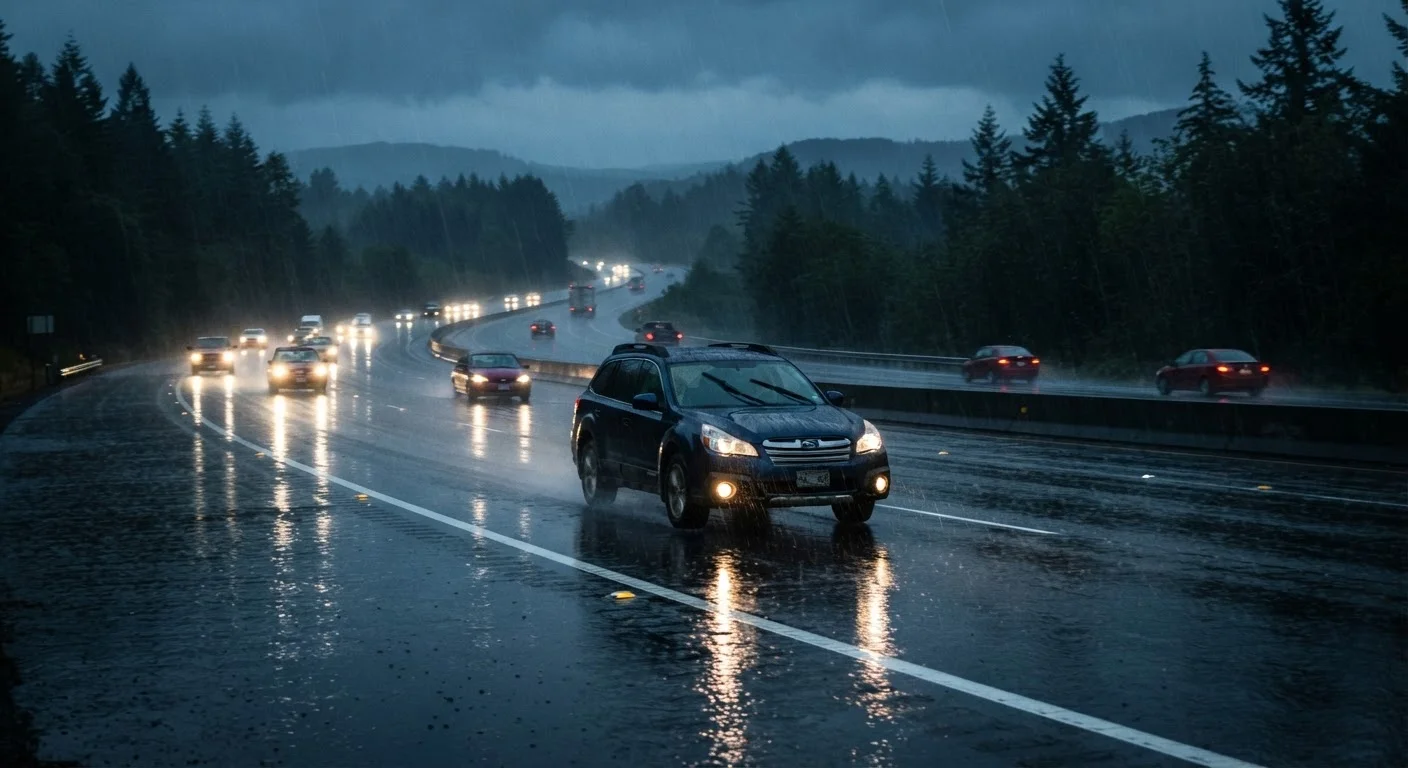
Photo credit: TrendingExperts.net
In this article
Each weather condition demands a different approach. This guide breaks down how to adjust your speed, following distance, and technique accordingly.
Key Takeaways
- Posted speed limits assume ideal road conditions - reduce speed any time weather degrades traction or visibility.
- Following distance should increase significantly in rain, snow, ice, or fog - a 3-second gap becomes 6 or more.
- Ice and snow require smooth, gradual inputs on the brake, accelerator, and steering wheel.
- Fog demands low-beam headlights; high beams reflect back and reduce your ability to see.
- Vehicle readiness - tires, wipers, brakes - is as important as driving technique in bad weather.
Why Weather Changes the Driving Equation
Most drivers learn the rules of the road under clear skies and dry pavement. But the vast majority of weather-related crashes occur precisely because those same drivers apply fair-weather habits to compromised conditions. Rain, snow, ice, and fog each alter the physical relationship between your tires and the road - and they do so in different ways, requiring distinct adjustments.
According to the Federal Highway Administration, roughly 21 percent of all vehicle crashes in the U.S. are weather-related, with wet pavement and rain accounting for the largest share. Understanding what each condition actually does - not just knowing it's dangerous - is what allows a driver to make purposeful, effective adjustments rather than simply driving more nervously.
The principles of defensive driving are especially critical in bad weather: anticipate hazards, maintain space, and never rely solely on what you can see in the moment.
Driving in Rain
Rain reduces tire traction by creating a film of water between the tire and the road surface. At higher speeds, tires can temporarily lose contact with the pavement entirely - a phenomenon known as hydroplaning. When this happens, steering and braking inputs have little to no effect until the tires regain contact.
To reduce hydroplaning risk, ease off the accelerator smoothly rather than braking hard, avoid driving through standing water at speed, and keep tires properly inflated with adequate tread depth. Bald or under-inflated tires displace water far less effectively.
If you feel your car begin to hydroplane, resist the urge to brake hard - lift off the accelerator smoothly and hold the steering wheel steady until you feel traction return.
Hard braking during hydroplaning can cause the vehicle to yaw or spin, making loss of control more likely. Gradual deceleration allows tires to regain contact with the road surface progressively.
In fog or heavy snow, open a window slightly so you can hear traffic around you - when visibility is near zero, sound becomes an important source of situational awareness.
Drivers often become so focused on what they can see that they neglect other sensory input. Hearing nearby vehicles, especially from behind, can provide critical warning when visibility alone cannot.
Rain also compromises visibility. Turn on your headlights - many states legally require it whenever wipers are in use - and increase following distance to give yourself more reaction time. When rain becomes severe enough that visibility drops sharply, it may be safer to exit the highway and wait it out rather than continue.
Driving in Snow and Ice
Snow and ice represent the most demanding surface conditions most drivers will encounter. Ice, in particular, can reduce tire traction by as much as 80 percent compared to dry pavement. Black ice - a thin, nearly transparent layer of ice on the road surface - is especially hazardous because it's often invisible until your vehicle begins to slide.
The foundational rule for snow and ice is smooth inputs. Sudden braking, sharp steering, or aggressive acceleration all increase the likelihood of a skid. Accelerate gently, brake early, and steer gradually. If your vehicle begins to slide, avoid the instinct to overcorrect - instead, steer in the direction you want to go and ease off the accelerator.
AWD Does Not Mean Ice-Proof
All-wheel drive improves a vehicle's ability to accelerate on slippery surfaces, but it does not shorten stopping distances. Braking performance on ice depends primarily on tire type and condition, not drivetrain. Overconfidence in AWD capability is a documented contributor to winter crashes - maintain the same caution you would in any vehicle.
All-wheel drive helps a vehicle get moving in snow but does not significantly improve braking performance. Drivers with AWD vehicles are not immune to ice-related loss of control. Traction and speed management remain essential regardless of drivetrain.
Before winter arrives, review the seasonal maintenance checklist to ensure your vehicle is prepared - including tires, battery, and brakes.
Driving in Fog
Fog's primary danger is abrupt visibility loss. Dense fog can reduce sight distance to under 100 feet - less than the length of a standard semi-truck. At highway speeds, stopping within that distance is physically impossible.
Use low-beam headlights in fog, not high beams. High beams scatter off the water droplets in the air and reflect back toward the driver, actually worsening visibility. If your vehicle has dedicated front fog lights, use them. Rear fog lights, where available, help drivers behind you see your position.
Reduce speed significantly and increase following distance. If you must pull over, pull completely off the roadway, turn off your headlights (so following drivers don't mistake them for moving traffic), and leave your hazard lights on. For broader guidance on managing reduced-visibility driving, see our piece on night driving risks and compensations.
Adjusting Speed and Following Distance
The posted speed limit reflects what engineers determined to be appropriate under ideal conditions. As the speed limit framework makes clear, those numbers are a legal ceiling - not a target when conditions deteriorate.
A practical guide for following distance adjustments:
- Dry conditions: Minimum 3-second gap to the vehicle ahead
- Rain or light snow: 6 seconds or more
- Heavy snow, ice, or fog: 8-10 seconds, or as much space as traffic safely allows
To measure following distance, pick a fixed object on the roadside - a sign or overpass - and count the seconds between when the vehicle ahead passes it and when you do. If you reach the marker before finishing your count, you're too close.
Speed and space management are the two levers that most directly influence your ability to avoid a crash in adverse conditions. No amount of vehicle technology substitutes for adequate time and distance to react.
Vehicle Readiness for Adverse Conditions
Driving technique alone cannot compensate for a poorly maintained vehicle. Several systems are especially critical in bad weather:
- Tires
- Check tread depth regularly using the penny test - if the top of Lincoln's head is visible when inserted into the tread groove, replacement is likely overdue. Tire pressure should also be checked monthly, as cold temperatures cause pressure to drop.
- Windshield wipers
- Wipers typically need replacement every 6-12 months. Smearing or streaking in rain significantly reduces visibility. In snow regions, consider winter-specific wiper blades.
- Brakes
- Worn brake pads extend stopping distances on any surface - in wet or icy conditions, the effect is magnified. Have brakes inspected if you notice squealing, grinding, or a soft pedal.
- Headlights and defrosters
- Ensure all lights are functional and lenses are clear. A working front and rear defroster is essential for maintaining visibility in cold or humid weather.
New drivers in particular should build foundational vehicle awareness early. The habits discussed in getting comfortable behind the wheel - including regular pre-drive checks - apply in every season.
This article is for general informational purposes. Driving conditions vary widely; always use your own judgment and follow local laws and official guidance when operating a vehicle in adverse weather.

Author
Automotive Editorial Team
Automotive Editorial Team is the collective byline for our editorial team and contributor network. Articles published under this byline or an editorial pen name are researched, written, and reviewed according to our editorial standards for clarity, consistency, and independence before publication.
View all articles →