
Warning Lights on Your Dashboard: A Plain-English Reference Guide
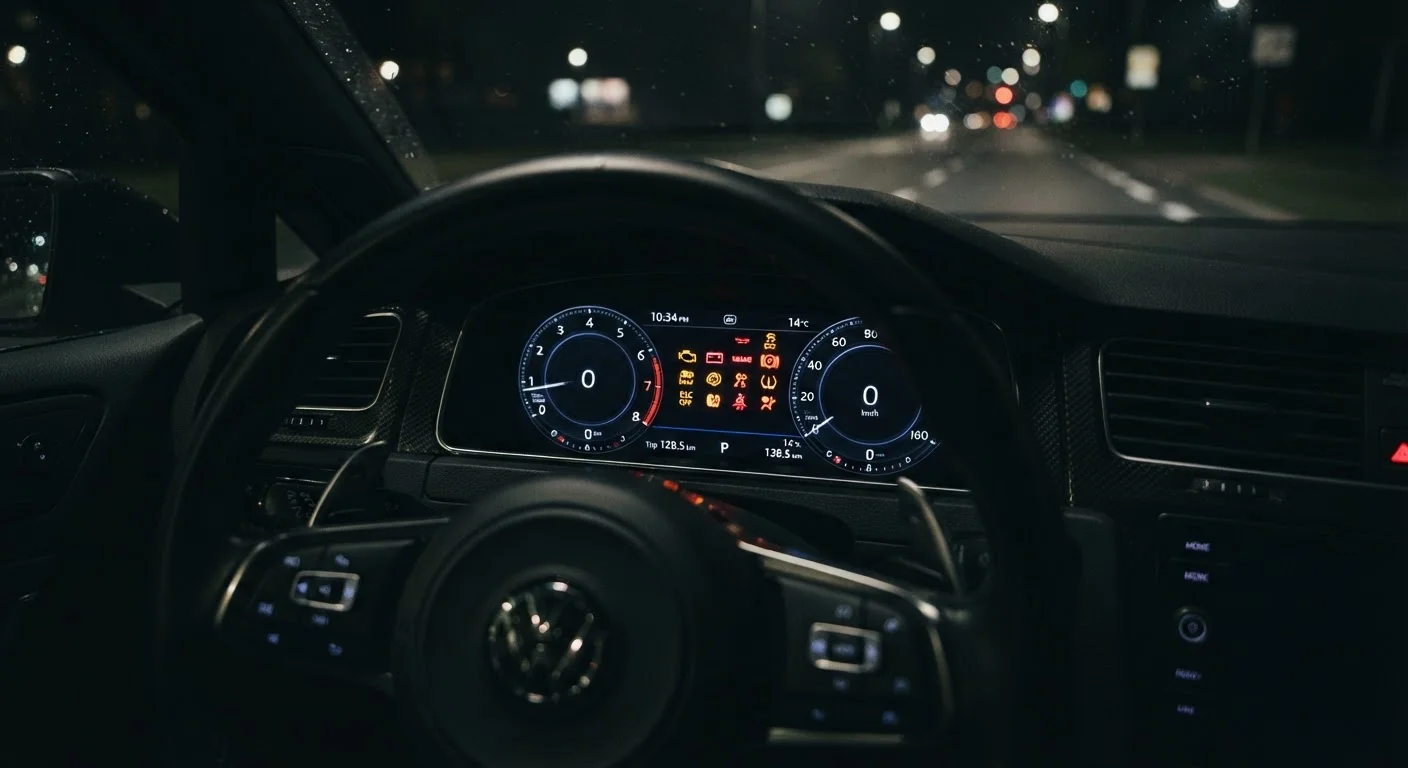
Photo credit: TrendingExperts.net
In this article
From the check engine light to the TPMS icon, here's what your dashboard warning symbols mean and which ones require prompt attention.
Why Dashboard Warning Lights Exist
Modern vehicles are equipped with dozens of sensors that continuously monitor systems from engine temperature to brake performance. When something falls outside normal parameters, the vehicle's onboard computer triggers a warning light on your instrument cluster. These lights are your car's primary way of communicating a problem - or a potential one - before it becomes a breakdown or a safety hazard.
Understanding the color-coding system is the first step. Red lights indicate conditions that may require you to stop driving promptly - continuing could risk your safety or cause serious mechanical damage. Amber or yellow lights signal that something needs attention soon, but you typically have time to schedule a service visit rather than pulling over immediately. Blue and green lights are generally informational, confirming that a system (like your high beams or turn signal) is actively engaged.
| Color: Red lights | Require immediate attention - stop safely when possible |
| Color: Amber/Yellow lights | Caution - service needed soon, but not necessarily an emergency |
| Color: Blue/Green lights | Informational - indicate active systems (high beams, turn signals) |
| OBD-II standard adopted | Required on all U.S. passenger vehicles from 1996 onward (U.S. Environmental Protection Agency) |
| TPMS mandate | Required on all new U.S. passenger vehicles since 2008 (National Highway Traffic Safety Administration (NHTSA)) |
| Diagnostic scan tools | Many auto parts stores offer free OBD-II code reads |
For a broader look at how these indicators fit into your overall vehicle care routine, see our guide to routine maintenance schedules.
The Most Common Warning Lights Decoded
Here's a plain-English breakdown of the dashboard indicators drivers encounter most often:
Check Engine Light
This amber icon - typically an engine outline - is among the most misunderstood. It doesn't always mean your engine is failing. It means the OBD-II system has logged a diagnostic trouble code somewhere across the engine, transmission, or emissions systems. Causes range from a loose gas cap to a misfiring cylinder. A flashing check engine light, however, is more serious and warrants prompt attention. Get the code read at an auto parts store or repair shop to understand what you're dealing with before assuming the worst - or ignoring it.
Oil Pressure Warning
A red oil can icon means the system is detecting low oil pressure - not necessarily that you're low on oil, but that pressure isn't circulating adequately. Pull over safely and turn off the engine. Driving with low oil pressure can cause catastrophic engine damage within minutes. Check the oil level and consult a mechanic before driving further. See our guide to fluid checks for how to read your dipstick correctly.
Coolant Temperature Warning
A red thermometer or engine symbol indicates the engine is overheating. Pull over when safe, turn off the engine, and allow it to cool before opening the hood. Never open the radiator cap on a hot engine - pressure buildup can cause serious burns. Causes include low coolant, a failing thermostat, or a coolant leak.
Battery / Charging System
A red battery icon signals the charging system isn't maintaining adequate voltage. The alternator, battery, or connections may be at fault. Your car may continue running temporarily on battery reserve, but systems will begin failing. Head to a service shop promptly.
TPMS (Tire Pressure)
An amber icon resembling a tire cross-section with an exclamation point means one or more tires is significantly underinflated. Check all four tires with a gauge and inflate to the pressure listed on your door jamb sticker - not the number printed on the tire sidewall, which is the maximum pressure, not the recommended pressure. Underinflated tires affect handling and fuel economy and increase the risk of a blowout. Learn more about tire health in our guide to reading tire tread.
Brake System Warning
A red circle with an exclamation point (or the word BRAKE) can indicate the parking brake is engaged, low brake fluid, or a fault in the brake system itself. If the light appears while driving with the parking brake off, check your brake fluid level and consult a mechanic. For guidance on what brake wear symptoms sound and feel like, see our article on brake pad wear signals.
ABS Warning
An amber ABS light means the anti-lock braking system has detected a fault. Your standard brakes should still function, but the ABS - which prevents wheel lockup in emergency stops - may be inoperative. Have it inspected before you need hard braking in an emergency.
Check Engine Light (CEL)
An amber or orange dashboard indicator triggered when the vehicle's onboard diagnostic system (OBD-II) detects a fault in the engine, transmission, or emissions system. The light alone doesn't identify the specific problem - a diagnostic scan is required.
TPMS
Tire Pressure Monitoring System. A sensor-based system that alerts drivers when one or more tires fall significantly below the recommended air pressure, typically by 25% or more.
OBD-II
On-Board Diagnostics, second generation. A standardized system built into virtually all cars sold in the U.S. after 1996 that monitors vehicle systems and stores diagnostic trouble codes (DTCs) when a fault is detected.
ABS
Anti-lock Braking System. A safety system that prevents the wheels from locking up during hard braking, helping the driver maintain steering control. An illuminated ABS light means the system may not function in an emergency stop.
Battery Voltage Light
A red indicator - often shaped like a battery - that signals the charging system is not maintaining adequate voltage. This can point to a failing alternator, a weak battery, or a loose connection.
Coolant Temperature Warning
A red thermometer or engine icon that lights up when the engine coolant temperature exceeds a safe threshold. Continued driving while overheating can cause severe and costly engine damage.
When to Act Immediately vs. Schedule a Visit
Not every warning light is a roadside emergency, but knowing the difference matters for your safety and your wallet.
- Stop driving promptly: Oil pressure warning (red), coolant temperature warning (red), brake system warning (red, parking brake off)
- Schedule service soon: Check engine light (steady amber), TPMS, ABS warning, battery light if the car is otherwise running normally
- Monitor and investigate: Service reminders (oil life, maintenance due), traction control warning that appears briefly in slippery conditions
Your Owner's Manual Is the Authoritative Source
Warning light icons and their meanings can vary between makes, models, and model years. While this guide covers the most common symbols, your vehicle's owner's manual contains the definitive reference for every indicator on your specific dashboard. If you've misplaced it, most manufacturers offer digital versions through their official websites.
When in doubt, a professional mechanic's assessment is always a reliable next step. Dashboard lights are an alert system, not a diagnosis - the code or symptom behind the light tells the real story. Building the habit of responding to warnings promptly is a core part of responsible vehicle ownership, as outlined in our car maintenance guide for new drivers.

Author
Automotive Editorial Team
Automotive Editorial Team is the collective byline for our editorial team and contributor network. Articles published under this byline or an editorial pen name are researched, written, and reviewed according to our editorial standards for clarity, consistency, and independence before publication.
View all articles →