
Sound and Identity: How Music Becomes a Marker of Who We Are
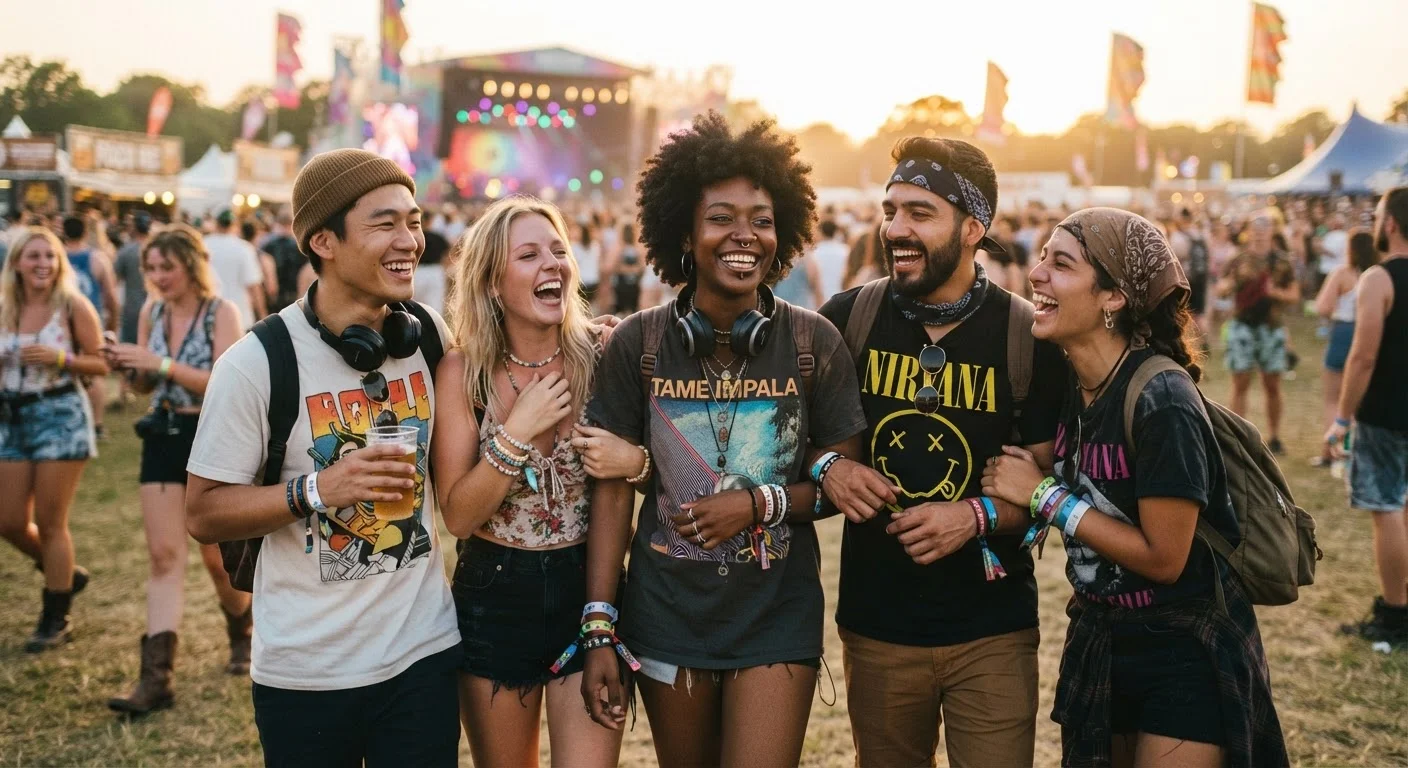
Photo credit: TrendingExperts.net
In this article
People use music to signal values, community, and heritage. Explore the psychology and sociology behind music as identity.
Key Takeaways
- Musical taste is one of the most powerful social signals humans use to communicate values and group membership.
- Genre loyalty often reflects deeper commitments to community, ideology, or heritage rather than just sonic preference.
- Adolescence is a critical period when music becomes especially tied to identity formation.
- Streaming has expanded access to music but has also made identity signaling through listening more complex.
- Regional and cultural backgrounds shape musical identity in ways that persist across generations.
More Than Background Noise
Ask someone about their favorite music and you're rarely getting a simple answer about sound. You're getting a window into their values, their community, their personal history. Whether it's the Kendrick Lamar album someone played on repeat after a tough year, the country playlist that travels with them back to their hometown, or the jazz records that signal a cultivated sensibility, music functions as a kind of biographical shorthand.
Psychologists have long studied this connection. Researchers like Peter Rentfrow and Samuel Gosling have found that music preferences correlate meaningfully with personality traits and social attitudes - and that people are surprisingly good at inferring those traits from someone's listening habits. In other words, your playlist tells a story whether you intend it to or not.
This is why musical taste feels so intimate and why criticism of a favorite artist can sting in a way that feels disproportionate. When someone dismisses your favorite genre, it often feels like they're dismissing you.
84%
Adults who say music is important to their identity
According to a 2019 survey by the National Endowment for the Arts, a large majority of American adults report that music plays a meaningful role in how they see themselves.
Ages 12-25
Peak period for identity-forming music bonds
Music psychology research consistently identifies this developmental window as the time when musical experiences are most emotionally encoded and identity-linked.
5+ genres
Average number of genres streamed monthly by U.S. listeners
Streaming platform data and audience research suggest modern listeners explore significantly more genres than previous generations, complicating traditional genre-based identity signals.
Genre as Tribal Flag
Genres aren't just sonic categories - they're social containers. Hip-hop, country, metal, classical, EDM, and folk each carry a constellation of cultural associations: political leanings, class markers, regional origins, racial identity, generational belonging. Identifying as a fan of a genre is often a way of declaring allegiance to the community and values those associations represent.
This phenomenon is especially visible in subcultures with strong visual and behavioral codes. Punk brought mohawks and DIY ethics; rave culture brought a philosophy of unity and countercultural pleasure; hip-hop has from its origins been inseparable from community expression, political commentary, and place. Regional music traditions show how powerfully geography amplifies this - Nashville, New Orleans, Compton, and Detroit each produced sounds that became identity markers for entire communities.
Even when someone resists labeling themselves by genre - "I listen to everything" - that resistance is itself an identity statement: a claim to openness and non-conformity that carries its own social signal.
A second-generation Mexican-American teenager grows up listening to both the norteño music her grandparents play at family gatherings and the indie rock she discovers with friends at school.
A 50-year-old who was heavily into grunge in the early 1990s still lights up when Nirvana comes on, even though he rarely seeks out new rock music.
A college student curates a meticulously organized vinyl collection and shares it on social media, emphasizing obscure pressings and rare finds.
A tight-knit group of coworkers bond over a shared love of a regional music scene, attending local shows together and trading recommendations.
The Adolescent Soundtrack
Developmental psychologists point to adolescence and early adulthood as the period when music becomes most powerfully tied to identity. This is the window of life when young people are actively constructing a sense of self, experimenting with values, and seeking community outside the family unit. Music provides a ready-made toolkit for all three.
The concept of a "reminiscence bump" - the tendency to remember experiences from roughly ages 12 to 25 more vividly than others - helps explain why the music from that window tends to carry outsized emotional weight for decades. That's why a song from high school can transport a 45-year-old immediately back to a specific moment, specific feelings, and a specific version of themselves.
The cultural timing of a hit song matters enormously here. A track that drops during a formative year doesn't just become a favorite - it becomes part of who you were becoming when you first heard it.
Streaming, Algorithms, and the New Identity Landscape
The explosion of music streaming has complicated the traditional mechanics of identity through music - but hasn't dissolved them. Access to virtually every recorded song in history means the old gatekeeping functions of radio, MTV, or the local record store no longer determine what sounds are available to whom. Streaming reshaped music culture in profound ways, but the human need to use music as identity glue persisted.
What's changed is where and how identity signals get broadcast. Shared Spotify playlists, "wrapped" year-in-review posts, social media fan communities, and algorithmic rabbit holes have become the new arenas for musical self-expression. Paradoxically, the same algorithms that expand discovery can also create tighter echo chambers - deepening genre loyalty rather than dissolving it.
Meanwhile, the physical ritual of vinyl collecting has staged a remarkable comeback as a deliberate identity practice. The vinyl revival suggests that for many listeners, the how of listening - not just the what - is now itself an identity statement about intentionality, physicality, and cultural values.
“Music is one of the most powerful tools humans have for constructing and communicating who they are. It's not decoration - it's identity infrastructure.”
— Tia DeNora, Professor of Sociology of Music, University of Exeter, and author of 'Music in Everyday Life'
Heritage, Community, and Belonging
Beyond individual personality, music serves as a vessel for collective identity - ethnic, regional, religious, and generational. For immigrant communities, preserving traditional musical forms is often an act of cultural continuity, a way of passing heritage across borders and generations. For marginalized groups, music has historically been both a survival tool and a form of resistance - from the blues and gospel traditions to cumbia and corridos.
Music festivals make this communal dimension visible and visceral. When tens of thousands of people gather around a shared sound, the experience affirms not just aesthetic preference but shared humanity. You aren't just a fan - you're a member of something larger than yourself.
Understanding music as identity helps explain why arguments over genre, authenticity, or cultural ownership can become so heated. At stake isn't just taste - it's belonging, heritage, and recognition. When we talk about what music means to us, we're ultimately talking about what we mean to ourselves and to each other.
Frequently Asked Questions

Author
Entertainment Editorial Team
Entertainment Editorial Team is the collective byline for our editorial team and contributor network. Articles published under this byline or an editorial pen name are researched, written, and reviewed according to our editorial standards for clarity, consistency, and independence before publication.
View all articles →