
Analog vs. Digital: What the Vinyl Revival Says About How We Experience Music
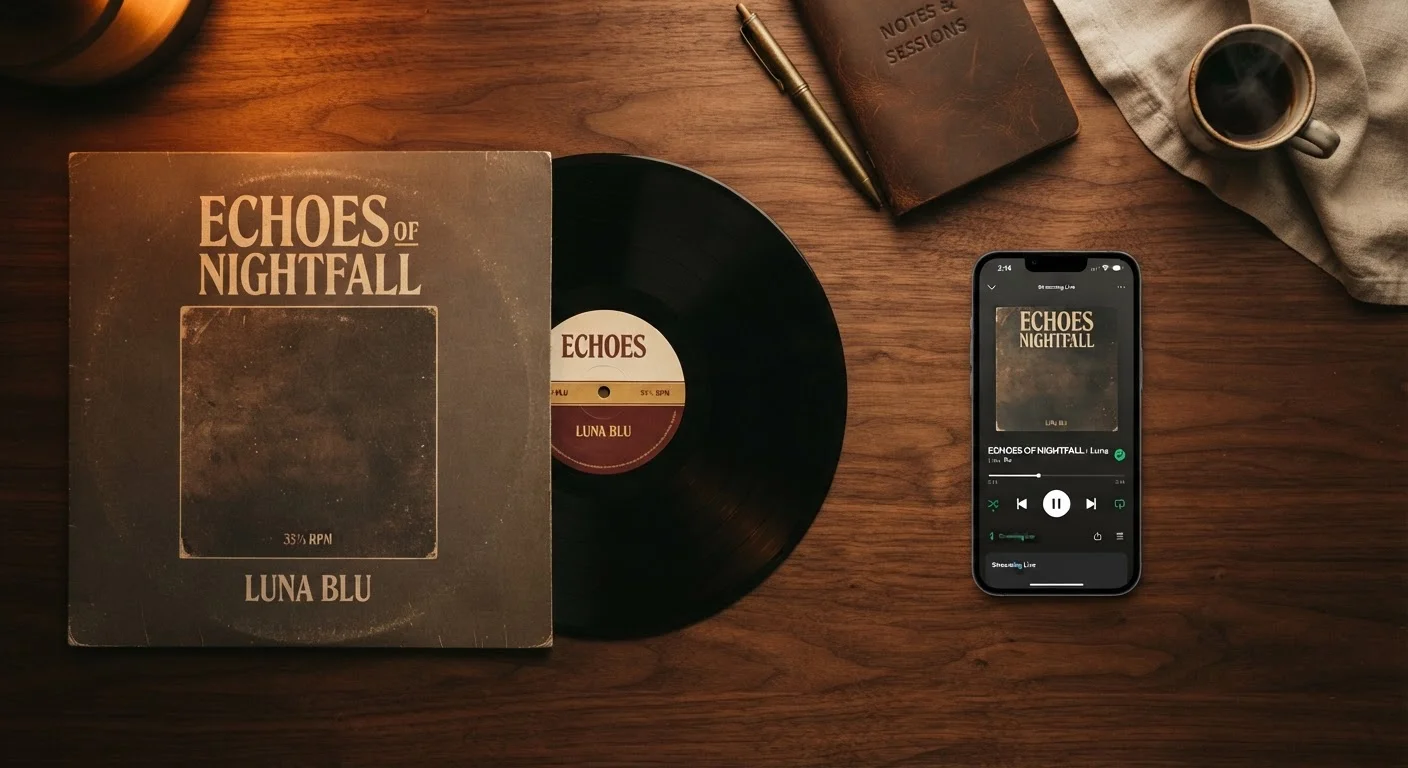
Photo credit: TrendingExperts.net
In this article
Vinyl sales are rising even as streaming dominates. Explore what each format offers listeners and what the tension between them reveals about culture.
Key Takeaways
- Vinyl sales in the U.S. have outpaced CD sales every year since 2020, signaling a genuine cultural shift.
- Streaming and vinyl serve fundamentally different listening needs - they are not direct replacements for each other.
- The vinyl revival is partly about intentionality: choosing to be present with music rather than just consuming it.
- Digital streaming offers unmatched convenience, discovery, and access - especially for casual or exploratory listening.
- Format preference often reflects deeper values around community, identity, and how listeners relate to artists.
The Numbers Behind the Revival
Something remarkable is happening at the cash register. According to the Recording Industry Association of America (RIAA), vinyl LP revenues in the United States surpassed CD revenues in 2020 for the first time since the 1980s - and have continued to do so every year since. In 2023, vinyl generated over $1.4 billion in U.S. revenue, representing roughly 71% of all physical music sales. Meanwhile, streaming accounts for the overwhelming majority of total recorded music revenue, pulling in well over $13 billion the same year.
These two facts coexist without contradiction. Streaming is how most Americans hear music most of the time. Vinyl is how a growing, passionate subset chooses to hear music some of the time. The formats are not really competing - they're serving different moments in the same listener's life.
$1.4B+
U.S. vinyl revenue in 2023
According to RIAA data, vinyl LP revenues exceeded $1.4 billion in 2023, marking continued growth year over year.
71%
Vinyl's share of physical music sales
The RIAA reported that vinyl accounted for roughly 71% of all physical music format revenues in 2023.
3rd year
Consecutive years vinyl outpaced CDs
U.S. vinyl revenues have surpassed CD revenues every year since 2020, reversing a decades-long trend.
What Each Format Actually Offers
The debate between analog and digital is often framed as a sound-quality argument: warmth and harmonic richness versus clarity and precision. That debate is real but often overstated - the difference is audible on a high-end system but negligible on typical home speakers or earbuds. The more meaningful distinction is experiential.
Digital streaming is frictionless by design. Open an app, tap a song, done. That accessibility democratized music discovery in ways that would have seemed miraculous two decades ago. As explored in how streaming reshaped music culture, entire business models, release strategies, and listening habits shifted once friction was removed.
Vinyl reintroduces friction - intentionally. You select a record, clean it, place the needle, and commit to an album in sequence. That constraint turns out to be a feature for many listeners. It encourages the kind of deep, attentive listening that passive streaming often discourages.
| Criterion | Analog (Vinyl) | Digital Streaming |
|---|---|---|
| Access & Catalog | Limited to records you own or can find | Tens of millions of tracks, instantly |
| Listening Experience | Intentional, tactile, album-focused | Frictionless, shuffle-friendly, passive |
| Portability | Home-bound; requires a turntable | Any device, anywhere, anytime |
| Sound Character | Warm, analog texture; audible on quality gear | Clean, precise; quality varies by bitrate |
| Artist Revenue | Higher per-unit return for artists | Fractions of a cent per stream |
| Cost Over Time | Higher upfront; hardware + records | Low monthly subscription |
| Physical Ownership | Tangible object; can display or gift | Licensed access; no physical asset |
| Discovery | Crate-digging, word of mouth | Algorithms, curated playlists |
Culture, Identity, and the Record as Object
The vinyl revival isn't only about sound or even listening habits - it's about what music means socially. A record is a physical artifact: it has cover art, liner notes, weight, and smell. It can be displayed, gifted, signed, or inherited. Streaming libraries are invisible and non-transferable.
As discussed in music as a marker of identity, people use musical choices to signal values and community membership. Owning a record collection is a statement - about taste, about slowing down, about valuing craft. That cultural signaling helps explain why vinyl has found enthusiastic audiences among younger listeners who never grew up with turntables.
Genre culture, too, plays a role. Certain musical communities - jazz, hip-hop, indie rock, electronic - have always been deeply tied to physical media and the rituals around it. The indie vs. mainstream tension maps neatly onto analog vs. digital in some listeners' minds, even as the reality is far more nuanced. And as genre itself becomes harder to pin down, the format of consumption can feel like a more reliable identity anchor than genre labels alone.
Streaming and Vinyl Can Coexist
Many artists and labels now release music simultaneously on streaming platforms and on vinyl. Some releases include a download code inside the record sleeve, acknowledging that listeners often want both. The formats are increasingly designed to complement each other rather than compete - and that's probably the healthiest way to think about them.
Which Format Deserves a Place in Your Life?
The honest answer: probably both, depending on context. Streaming's catalog depth and portability make it the practical backbone of everyday listening. Vinyl's physicality and intentionality make it a richer experience for music you want to truly inhabit. Many enthusiasts maintain active streaming subscriptions precisely to discover what's worth owning on wax.
What the vinyl revival ultimately reveals isn't a rejection of digital technology - it's a hunger for presence. In an era of infinite scroll and algorithmic playlists, choosing to sit down with a record and listen to a full album from start to finish is a small but meaningful act of attention. That impulse says something real about what music can be when we let it matter.

Author
Entertainment Editorial Team
Entertainment Editorial Team is the collective byline for our editorial team and contributor network. Articles published under this byline or an editorial pen name are researched, written, and reviewed according to our editorial standards for clarity, consistency, and independence before publication.
View all articles →