
The Cultural Moment Behind a Hit Song: Why Timing Matters as Much as Talent
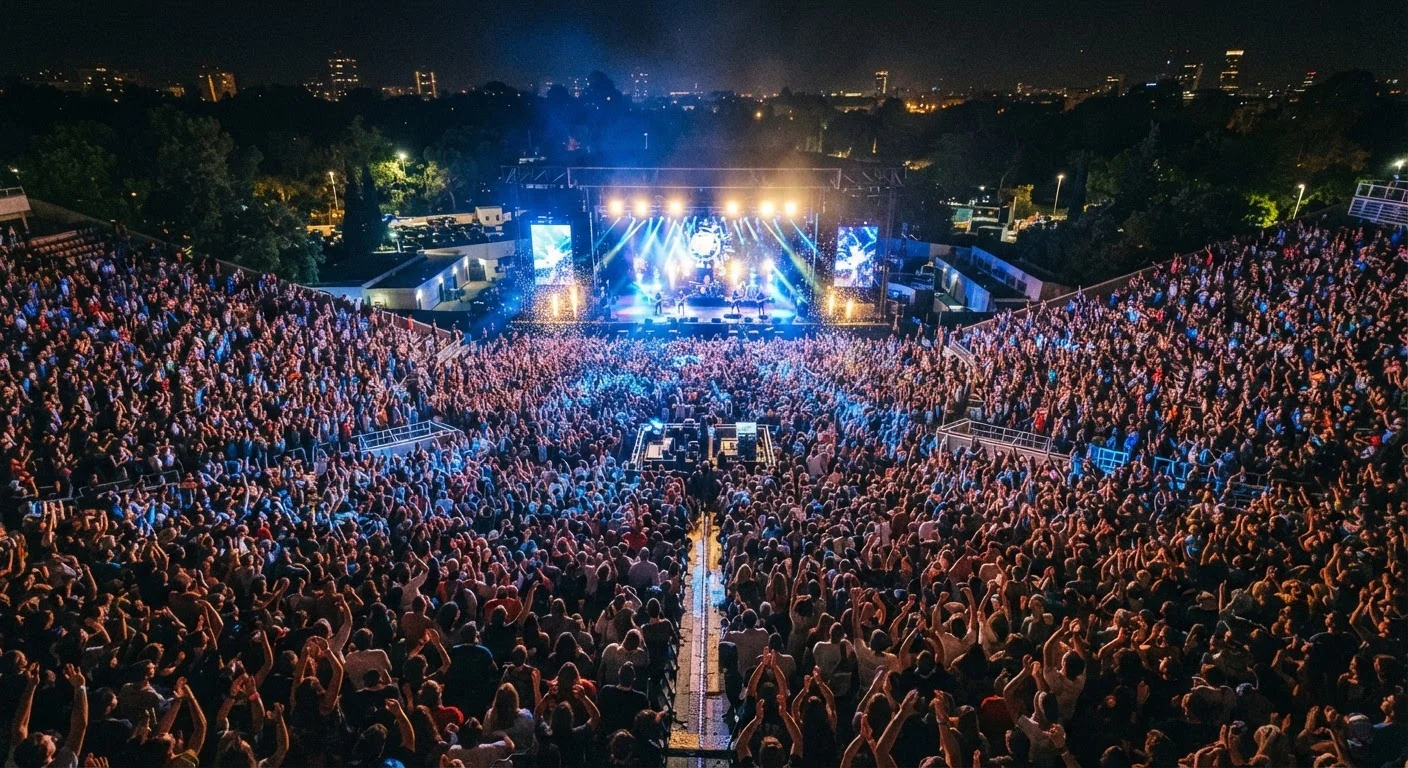
Photo credit: TrendingExperts.net
In this article
Great songs don't become cultural touchstones in a vacuum. Learn how social context, timing, and media ecosystems amplify — or silence — music.
Key Takeaways
- Talent alone rarely explains why a song becomes a generational anthem - timing and context are equally powerful forces.
- Social upheaval, collective grief, or widespread joy can prime audiences to embrace certain songs more intensely.
- Streaming platforms and social media have compressed the timeline between a song's release and its cultural saturation.
- The same song released in a different era can land very differently - or not land at all.
- Media ecosystems, from radio to TikTok, actively shape which songs get the exposure needed to spark cultural moments.
More Than a Great Song
Ask most listeners why a particular song defined a year or a generation, and they'll point to the music itself - the hook, the lyrics, the production. But that answer is only part of the story. The conditions surrounding a song's release shape its cultural fate just as powerfully as what's in the grooves.
Think about why certain tracks become unavoidable. It isn't just radio play or streaming numbers. Songs that become genuine cultural moments tend to arrive when the public is emotionally primed to receive them. They give language to feelings that are already circulating without words. As music scholars have observed, the audience does significant creative work in making a song mean something large - and that work only happens when the timing is right.
Understanding this dynamic helps explain why music functions as identity, not just entertainment. When a song captures a mood the culture is already living in, it stops being background noise and starts being a shared reference point.
500%+
Streaming spike from TV sync licensing
Industry analysts have documented that prominent song placements in hit TV series regularly produce streaming increases exceeding 500% for the featured track, illustrating how media context drives cultural adoption.
70%
Music discovery via short-form video
A 2023 MRC Data report indicated that roughly 70% of social media users discover new music through short-form video platforms, underscoring the ecosystem's role in determining which songs reach cultural moment status.
175M+
Songs available on major streaming platforms
With over 175 million tracks catalogued across major streaming services, algorithmic and cultural filtering - not scarcity - now determines which songs receive the exposure necessary to break through.
The Social Context That Amplifies - or Silences - Music
Historical examples make the pattern undeniable. Protest songs that landed powerfully during civil rights movements addressed long-standing injustices, but their cultural electricity was generated by the specific social pressures of their moment. The same sentiments expressed a decade earlier or later often didn't carry the same charge.
Collective experience - whether grief, political tension, or shared joy - creates a kind of emotional readiness in audiences. When a song's themes mirror what millions of people are quietly feeling, the result can be an almost involuntary cultural adoption. The song becomes a communal shorthand.
This is also why songs frequently get misread by culture at large. Audiences project their own moment onto a track, sometimes completely inverting the songwriter's intention. That misreading isn't a mistake - it's evidence of the cultural moment doing its work.
Fleetwood Mac's "Dreams" unexpectedly returned to the top of streaming charts in 2020 after a skateboarding video featuring the song went viral on TikTok.
Billie Eilish's "Bad Guy" arrived during a period of widespread cultural fascination with anti-pop aesthetics and Gen Z identity formation, topping charts globally in 2019.
"We Are the World" (1985) united dozens of artists to raise funds for famine relief in Africa during a period of heightened global humanitarian awareness.
Kate Bush's "Running Up That Hill" re-entered charts decades after its 1985 release when it was prominently featured in the TV series Stranger Things in 2022.
How the Media Ecosystem Shapes the Moment
Talent and timing still need a distribution channel to matter at scale. The media ecosystem - radio, television, streaming, and social platforms - determines which songs get the exposure necessary to trigger cultural resonance. Historically, radio programmers and label executives held enormous gatekeeping power. A song that didn't get programmed simply didn't reach enough ears to become a moment.
The streaming era changed this calculus significantly, democratizing discovery while introducing new algorithms as gatekeepers. Today, a song can break through playlist curation or a single viral TikTok video rather than requiring traditional radio support. The timeline from release to cultural saturation has compressed from months to days.
Global distribution has also widened the field of what can become a cultural moment in America. K-pop, Afrobeats, and Latin music now routinely generate cultural moments that transcend their original geographic and linguistic context, arriving in American living rooms through the same streaming pipelines as domestic pop.
“A song is a container. What fills it is the emotional state of the people listening at a particular time in history. Change the time, change what the container holds.”
— Greil Marcus, Music critic and author of Mystery Train
What This Means for How We Listen
Recognizing the role of cultural timing doesn't diminish the artistry behind great songs - it deepens our appreciation of how music actually works in the world. A songwriter can craft something technically masterful, but they can't fully control when or how the culture is ready to receive it.
For listeners, this awareness invites a more curious approach to the music around us. The songs dominating playlists right now aren't just popular because they're catchy - they're telling us something about the emotional and social temperature of this particular moment. And the deep cuts that didn't break through? Some of them may be waiting for a cultural moment that simply hasn't arrived yet.
Live settings amplify this further. Music festivals function as concentrated cultural moments, where thousands of people encounter songs simultaneously in conditions designed for maximum communal resonance. It's no coincidence that festival performances often become the definitive version of a song in the public memory.
The next time a song stops you in your tracks, it's worth asking: what is this moment ready to hear?
Frequently Asked Questions

Author
Entertainment Editorial Team
Entertainment Editorial Team is the collective byline for our editorial team and contributor network. Articles published under this byline or an editorial pen name are researched, written, and reviewed according to our editorial standards for clarity, consistency, and independence before publication.
View all articles →