
A First Listen's Worth of Context: Getting Into Jazz Without Getting Lost
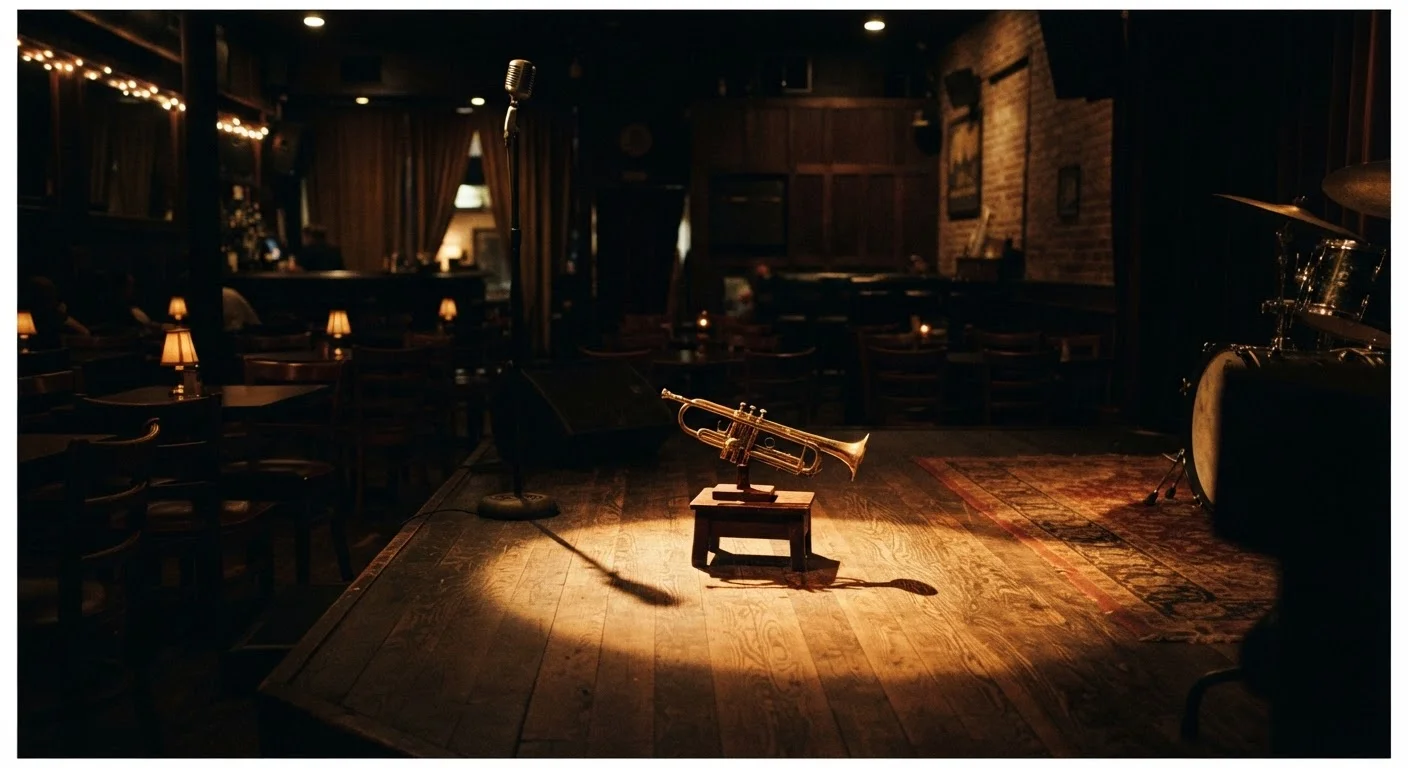
Photo credit: TrendingExperts.net
In this article
Jazz has a reputation for being hard to enter. This guide breaks down the key eras, styles, and listening habits that make the genre click.
Key Takeaways
- Jazz spans more than a century and includes many distinct styles - you don't need to master them all at once.
- Starting with accessible subgenres like hard bop or cool jazz lowers the barrier to entry significantly.
- Active, focused listening - rather than background listening - accelerates how quickly jazz starts to make sense.
- Jazz is rooted in African American cultural history and is inseparable from that broader story.
- Modern jazz continues to evolve, drawing from hip-hop, electronic music, and global sounds.
Why Jazz Feels Intimidating (And Why It Doesn't Have to Be)
Jazz carries an undeserved reputation as music for insiders - something you need credentials to appreciate. In reality, the genre grew out of deeply human impulses: storytelling, community, spontaneity, and joy. The intimidation factor usually comes down to two things: unfamiliarity with the sounds, and the sense that there's a vast catalog to navigate before you can even begin.
Neither is actually a barrier. Just as engaging with a painting doesn't require an art degree, engaging with jazz doesn't require a music theory background. What it does require is a small shift in expectation. Jazz isn't always built around a singable melody or a predictable beat - and once you stop waiting for those things, the music opens up in surprising ways.
Improvisation
Composing and performing music spontaneously in real time, usually over an agreed-upon structure. It's the heartbeat of jazz - no two performances are exactly alike.
Call and Response
A musical conversation in which one instrument or voice presents a phrase and another answers it. Rooted in African musical traditions and central to jazz's expressiveness.
Chord Changes
The sequence of chords that forms the harmonic foundation of a jazz song. Musicians improvise over these changes, which is why knowing the structure matters for the players even when the melody shifts.
Modal Jazz
A jazz style built around scales (modes) rather than rapidly shifting chord progressions, creating a more spacious, meditative sound. Miles Davis's 'Kind of Blue' popularized the approach.
Swing Feel
A rhythmic quality that makes music feel forward-moving and groove-oriented, distinct from a straight mechanical beat. Jazz 'swings' when the rhythm has a subtle push-and-pull that makes listeners want to move.
Ensemble Interplay
The way musicians in a jazz group listen and respond to each other in real time. Unlike many genres, jazz musicians actively shape each other's performances during a song.
A Quick Map of the Major Eras
Jazz history spans roughly a century and includes genuinely distinct styles. A brief roadmap helps you navigate without feeling overwhelmed.
- Early Jazz & Dixieland (1900s-1920s): Rooted in New Orleans, this style blends blues, ragtime, and brass band traditions. It's spirited, communal, and relatively accessible.
- Swing (1930s-1940s): The era of big bands and ballrooms. This is the jazz most people's grandparents danced to - rhythmically infectious and melodically clear.
- Bebop (1940s-1950s): A pivot toward complexity and artistic seriousness. Faster tempos, elaborate chord changes, and a deliberate move away from dance music. Charlie Parker and Dizzy Gillespie are the central figures.
- Cool Jazz & Hard Bop (1950s): Cool jazz dialed back bebop's intensity for a smoother, more relaxed sound. Hard bop swung back toward blues and gospel roots with more emotional directness.
- Free Jazz (1960s): Abandoned many conventional structures entirely. Adventurous and sometimes challenging - best approached after you have some grounding in other styles.
- Fusion & Contemporary (1970s-present): Jazz blending with rock, funk, electronic music, and hip-hop. Today's artists continue pushing the form in genuinely exciting directions.
Where to Start Listening
Hard bop and cool jazz are generally the most welcoming entry points. Both styles sit at a sweet spot - harmonically rich but not aggressively abstract. From there, moving backward into swing or forward into fusion feels natural rather than jarring.
A few starting points worth exploring: Miles Davis's modal recordings reward patient listening. John Coltrane's work from the early 1960s shows how jazz can build intense emotional arcs. Dave Brubeck's experiments with unusual time signatures are surprising without being alienating. On the contemporary side, artists like Kamasi Washington and Esperanza Spalding show how jazz absorbs influences from hip-hop, classical, and world music.
Start Small and Specific
Rather than diving into a full discography, pick a single album or even a single track and stick with it for a week. Familiarity is what makes jazz click - you start hearing structure and personality that felt invisible the first time. Resist the urge to sample widely until one record has genuinely landed.
Streaming playlists curated around specific eras or moods - late-night jazz, hard bop essentials, jazz for focus - can serve as reliable on-ramps. Public radio programs dedicated to jazz also offer context alongside the music, which helps a lot early on.
How to Train Your Ear Over Time
The single most useful shift a new listener can make is moving from passive to active listening. This means choosing a record, sitting with it, and actually following what's happening - tracking which instrument is soloing, noticing when the band breathes together, feeling where the rhythm pushes and pulls. Our guide on habits that deepen your relationship with music lays out practical techniques for doing exactly this.
A few approaches that jazz listeners commonly find useful:
- Follow a single instrument throughout a track before trying to take in the whole ensemble.
- Listen to the same recording multiple times - jazz rewards repeat listens in a way that pop rarely does.
- Watch live performances when possible. Seeing musicians react to each other in real time makes improvisation concrete and exciting rather than abstract.
Live Jazz Is a Different Experience
Recordings capture a lot, but jazz was built for live performance. If there's a jazz club, venue, or even a free community concert near you, going in person - even once - can shift your relationship to the music dramatically. The visual dimension of watching improvisation unfold makes it far easier to understand what you're hearing on recordings afterward.
Jazz in the Broader Cultural Picture
Jazz didn't emerge in a vacuum. It is, at its core, an African American art form - born from the collision of blues, gospel, work songs, and European harmonic traditions in the American South. Understanding that context transforms how the music feels. The story of jazz is inseparable from the broader story explored in how African American music shaped every corner of American culture.
Jazz also connects to the larger question of how music functions as identity and community - something explored in depth here. Listeners who bring that awareness to their first listens often find the music lands with more weight and meaning. You're not just hearing notes - you're hearing a living tradition that absorbed joy, struggle, and invention in roughly equal measure, and passed all of it forward.
NPR Music Jazz Section
NPR Music regularly publishes accessible jazz journalism, artist profiles, and curated listening guides - useful for building context alongside your listening.
Jazz at Lincoln Center Education Resources
Jazz at Lincoln Center offers free educational materials explaining jazz history, terminology, and cultural context in plain, approachable language.
Streaming Era Playlists (Spotify, Apple Music, Tidal)
Major streaming platforms host editorially curated jazz playlists organized by era, mood, and style - a practical way to explore without needing to know where to start.
Frequently Asked Questions

Author
Entertainment Editorial Team
Entertainment Editorial Team is the collective byline for our editorial team and contributor network. Articles published under this byline or an editorial pen name are researched, written, and reviewed according to our editorial standards for clarity, consistency, and independence before publication.
View all articles →