
Oil Change Intervals: What the Numbers in Your Owner's Manual Actually Mean
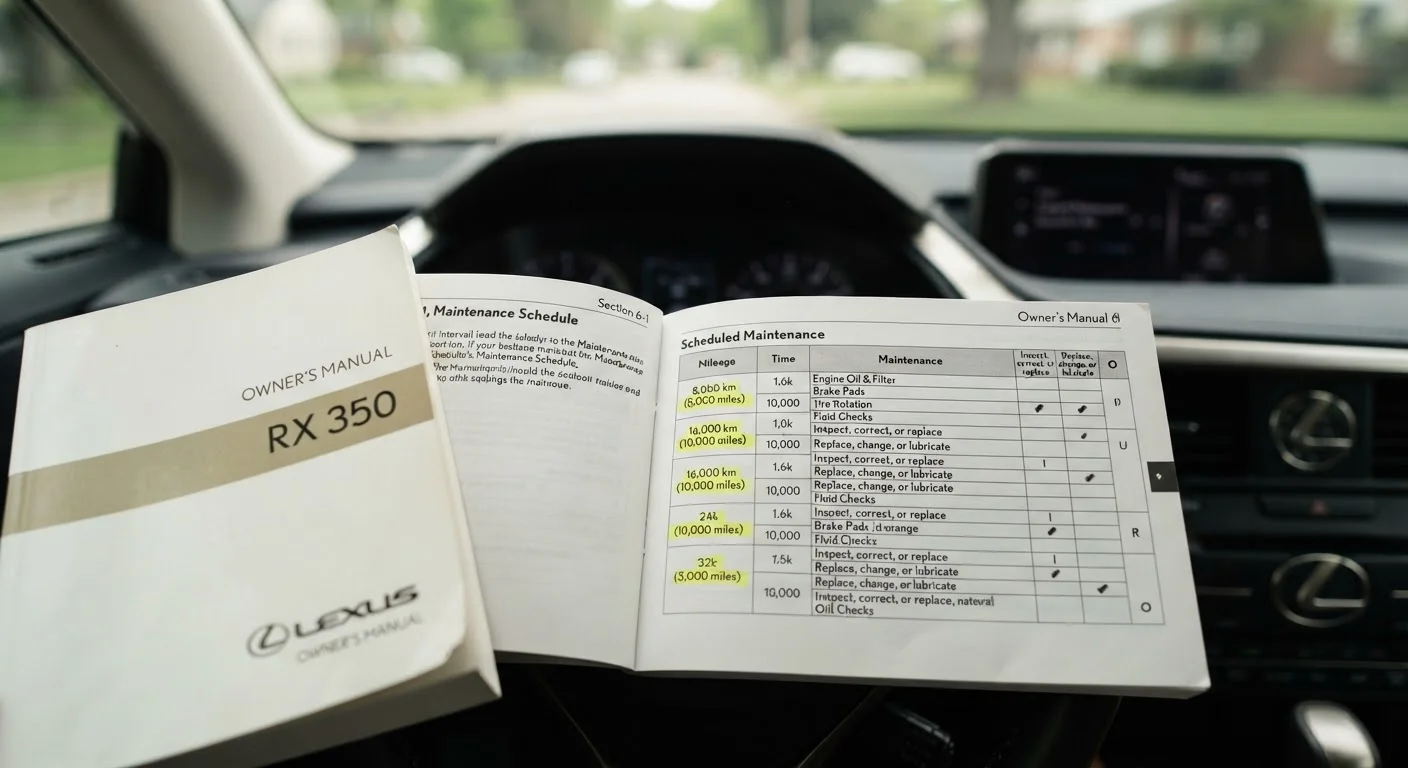
Photo credit: TrendingExperts.net
In this article
3,000 miles? 7,500? 10,000? Learn what drives oil change frequency recommendations and how to read your manual's guidance correctly.
Key Takeaways
- The 3,000-mile rule is outdated for most modern vehicles using synthetic oil.
- Your owner's manual - not the sticker at the shop - is the authoritative source for your car's interval.
- Driving conditions (short trips, extreme temps, towing) can shorten the recommended interval.
- Many vehicles built after 2010 have oil life monitoring systems that calculate intervals in real time.
- Synthetic oil typically allows intervals between 7,500 and 10,000+ miles depending on the vehicle.
- Skipping oil changes is one of the leading causes of avoidable engine damage.
Why the Old 3,000-Mile Rule No Longer Fits
For decades, the 3,000-mile oil change was treated as universal automotive gospel. It made sense for an era dominated by conventional mineral oil and engines with tighter manufacturing tolerances. But vehicle technology has changed significantly, and that mileage benchmark hasn't kept pace.
Today's engines are built with tighter engineering specifications, and modern synthetic oils are formulated to maintain viscosity and protective properties far longer than older conventional oils. As a result, most automakers now recommend intervals ranging from 5,000 to 10,000 miles - and some models go further under the right conditions.
The 3,000-mile rule persists largely through habit and, in some cases, through service shop marketing. Following it on a car designed for 7,500-mile intervals wastes money and oil without providing any additional engine protection. The number that matters is the one in your owner's manual, not on a windshield sticker.
Start With Your Owner's Manual, Not the Shop
Before your next oil change, locate the maintenance schedule section of your owner's manual - it's often in a separate booklet in the glove compartment. Note the mileage interval, the time interval, and whether your typical driving qualifies as normal or severe. That information is more reliable than any generalized advice.
Reading the Numbers in Your Owner's Manual
Your owner's manual typically lists oil change intervals in two ways: by mileage and by time (for example, every 7,500 miles or 12 months, whichever comes first). The time component matters because oil can still degrade chemically even if you haven't driven much - particularly in climates with high humidity or temperature swings.
Most manuals also distinguish between normal and severe driving conditions. Normal refers to typical highway and city driving with moderate temperatures. Severe - sometimes called special operating conditions - applies when you regularly do any of the following:
- Take frequent short trips under five miles
- Drive in extreme heat or cold
- Tow trailers or haul heavy loads
- Idle for extended periods (e.g., rideshare or delivery driving)
- Drive frequently in dusty or off-road conditions
If your driving matches severe conditions, use the shorter interval your manual specifies. Many drivers who assume they qualify for the standard interval actually fall into the severe category based on daily commute patterns alone.
For a broader look at how oil intervals fit into your overall service schedule, see your car's full maintenance schedule explained.
Oil Life Monitors: Helpful Tool, Not a Replacement for the Manual
Many vehicles manufactured after roughly 2010 include an oil life monitoring system that displays a percentage on the dashboard - often ranging from 100% (fresh oil) down toward 0% (change now). These systems don't physically test your oil; instead, they use algorithms factoring in engine speed, operating temperature, and load to estimate remaining oil life.
Oil life monitors are genuinely useful and generally accurate for most driving situations. However, they work best when paired with the mileage and time guidance in your owner's manual. If your monitor reads 15% but you're already well past your manual's time-based interval, follow the manual.
Oil Life Monitors Have Limits
These systems estimate oil condition based on operating data - they don't chemically test the oil itself. In unusual driving situations, such as extremely short cold-weather trips or high-altitude driving, the algorithm may not fully account for real-world degradation. When in doubt, lean toward the conservative (shorter) interval your manual provides.
To understand what separates conventional and synthetic oils - and why the difference matters for interval length - see what everyday drivers should know about motor oil types.
Tracking Your Changes and Staying Consistent
Consistency matters more than perfection. Changing your oil slightly before the interval won't harm anything; going significantly over it repeatedly is where engine wear compounds over time. The most practical approach is to note your mileage at each change and set a reminder when you're approaching the next one.
If you check your own fluids between service visits - something any driver can learn - you'll also catch early signs that oil may be degrading faster than expected, such as a very dark, gritty appearance or a noticeably low level. See fluid checks every driver should know how to do for a straightforward walkthrough.
Keeping a written or digital log of every oil change - including the date, mileage, and oil type used - builds a service history that supports warranty claims and helps establish trust when selling the vehicle. Keeping a vehicle maintenance log is one of the simplest habits that pays dividends over the life of any car.
7,500-10,000
Miles: typical synthetic oil interval range
Most major automakers now specify this range for vehicles using full synthetic oil under normal driving conditions, according to manufacturer maintenance guides.
~40%
Drivers who still follow the 3,000-mile rule
Industry surveys have found a significant share of drivers continue using the outdated 3,000-mile benchmark despite manufacturer recommendations for longer intervals.
2
Triggers that reset the oil change clock
Most owner's manuals list both a mileage threshold and a time-based threshold (e.g., 12 months) - the oil should be changed when either limit is reached first.
Frequently Asked Questions

Author
Automotive Editorial Team
Automotive Editorial Team is the collective byline for our editorial team and contributor network. Articles published under this byline or an editorial pen name are researched, written, and reviewed according to our editorial standards for clarity, consistency, and independence before publication.
View all articles →