
What the Odometer Doesn't Tell You About a Used Car's Condition
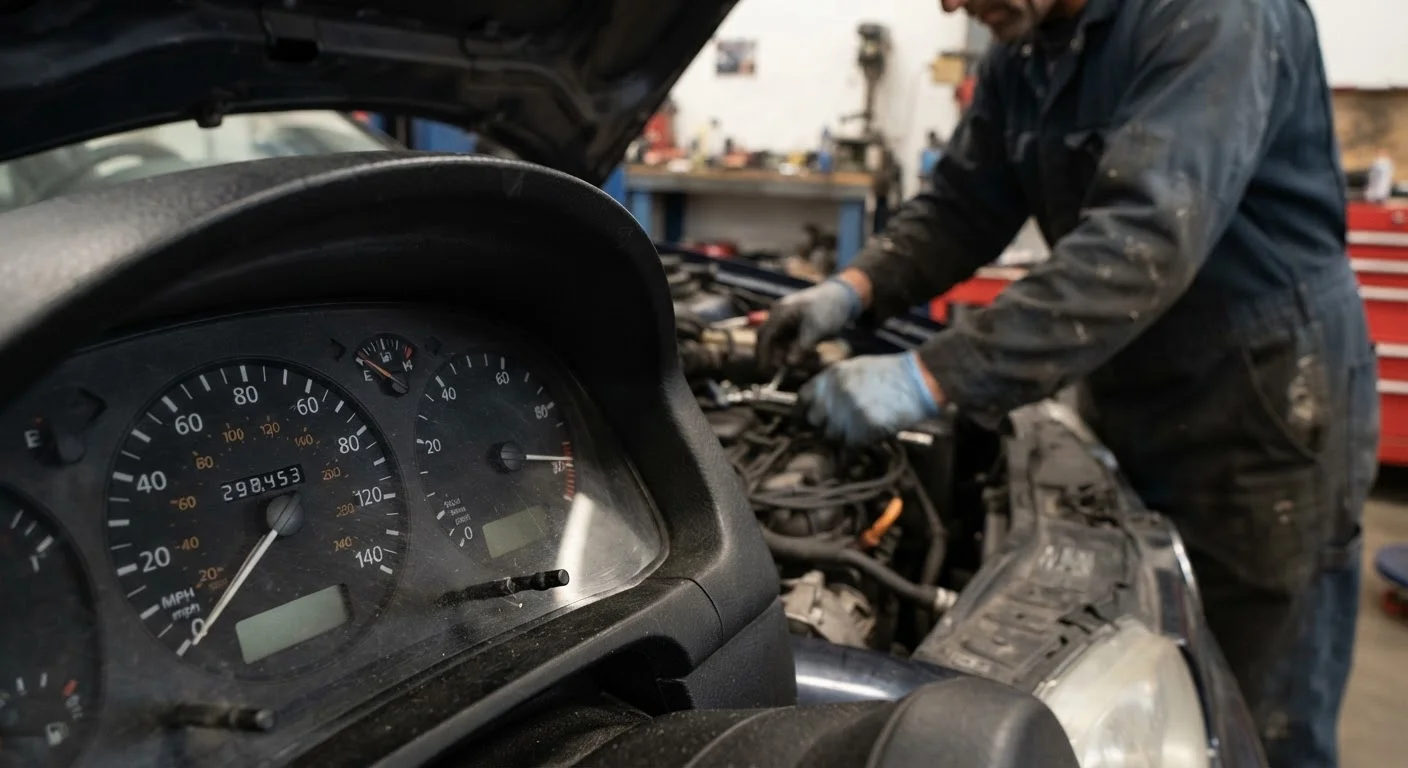
Photo credit: TrendingExperts.net
Mileage is just one piece of the picture. Learn what else shapes a used vehicle's reliability and long-term ownership costs.
Key Takeaways
- Low mileage does not guarantee a used car is in good mechanical condition.
- Maintenance history, usage patterns, and storage conditions matter as much as odometer readings.
- A pre-purchase inspection by a qualified mechanic can reveal problems mileage numbers hide.
- Ownership costs like repairs and depreciation extend well beyond the purchase price.
- Vehicle history reports are useful but not a complete substitute for physical inspection.
Why Mileage Is Just One Variable
When shopping for a used car, most buyers zero in on the odometer first. It feels like a simple, objective measure of wear - and in some ways it is. But relying on mileage alone to judge a vehicle's reliability is like judging a house's condition purely by its age. The number tells you how long it's been around, not how well it's been treated.
A vehicle driven 80,000 highway miles with consistent oil changes and regular servicing may be in significantly better shape than one with 40,000 city miles and a neglected maintenance history. Highway driving is generally gentler on engines and transmissions than repeated short trips, which prevent fluids from reaching optimal operating temperature and accelerate internal wear.
Understanding what else shapes a vehicle's condition can protect you from overpaying - or from buying into a costly repair cycle. For a broader look at what car ownership really costs, see the full picture of annual ownership costs.
Myth
A low odometer reading means a used car is in great shape and won't need major repairs soon.
Fact
Low mileage only indicates limited distance traveled - it says nothing about how the car was maintained, stored, or driven.
A vehicle sitting unused for years can develop dried seals, degraded rubber hoses, corroded brake components, and stale fluids - none of which the odometer reflects. Similarly, a car driven exclusively for short urban trips may have engine wear disproportionate to its mileage because the engine rarely fully warmed up. Mileage is a starting point, not a verdict.
Myth
Higher mileage always means higher risk - stay under 100,000 miles to be safe.
Fact
Many modern vehicles are engineered to last 200,000 miles or more with proper maintenance, making blanket mileage cutoffs an oversimplification.
The 100,000-mile threshold is a legacy benchmark from earlier automotive engineering. Today's engines, with improvements in metallurgy, tolerances, and lubrication technology, routinely exceed that mark without major mechanical failure - provided maintenance was consistent. A 130,000-mile vehicle with full service records can be a more reliable buy than an 80,000-mile vehicle with none. Understanding what maintenance milestones mean helps you evaluate whether a vehicle has been properly cared for at any mileage level.
Myth
A clean vehicle history report means the car has no hidden problems.
Fact
History reports only capture officially recorded events - private repairs, unreported collisions, and flood damage can all go undetected.
Vehicle history reports are a valuable screening tool, but they depend entirely on what was reported to insurance companies, state agencies, or service databases. A seller who paid cash for body repairs or an auction house that cleaned up a flood-damaged vehicle may leave no paper trail. A professional pre-purchase inspection by an independent, qualified mechanic is the only reliable way to detect issues that don't appear in any database.
Myth
If a car drives fine on a test drive, there's nothing seriously wrong with it.
Fact
Many significant mechanical problems - including worn timing components, failing transmissions, and early engine issues - may not be detectable during a brief test drive.
A test drive is useful for identifying obvious symptoms: unusual noises, rough shifting, warning lights, or steering pull. But intermittent problems may not surface in 15 minutes, and issues developing inside sealed components won't be felt at all until they fail. Cold-start behavior, behavior under sustained load, and fluid condition require more than a short spin around the block. Diagnostic scanning for stored fault codes adds another layer of visibility a test drive alone cannot provide.
Myth
Oil changes are the only maintenance item that really matters for engine longevity.
Fact
Engine longevity depends on a full range of maintenance tasks - coolant flushes, transmission service, timing belt replacements, and air filter changes all play important roles.
Oil condition is critical, but it's one part of a larger system. Neglected coolant becomes acidic and damages the radiator and water pump. Transmission fluid that's never been changed degrades and causes premature wear in the gearbox. A timing belt that's overdue for replacement can snap and cause catastrophic engine damage with no warning. Understanding oil change intervals is a good start, but a complete service history review covers the full picture.
What Actually Shapes a Used Car's Condition
Several factors beyond mileage have an outsized influence on how much life a used vehicle has left - and how much it will cost to own.
200,000+
Miles many modern engines can reliably reach
Automotive engineers and long-term reliability studies consistently show well-maintained modern vehicles routinely surpass 200,000 miles.
~40%
Of used car buyers who skip a pre-purchase inspection
Industry surveys suggest a substantial share of private used car buyers forgo independent mechanical inspections, increasing exposure to hidden repair costs.
Maintenance History
A car with documented service records is a fundamentally different purchase than one without them. Oil changes, fluid flushes, brake inspections, and timing belt replacements all have recommended intervals for good reason. When those are skipped or delayed, cumulative damage compounds quietly. Ask the seller for records, and if none exist, factor that uncertainty into your evaluation. For guidance on what a proper maintenance schedule looks like, see what your vehicle actually needs and when.
How and Where the Vehicle Was Driven
Short daily commutes in cold climates can be harder on an engine than long warm-weather highway trips. Vehicles used for towing or hauling regularly experience additional stress on the drivetrain and brakes. Geography matters too - road salt in northern states contributes to underbody corrosion that won't appear on a vehicle history report.
Storage and Environmental Exposure
A car garaged for most of its life is exposed to far less UV degradation, temperature cycling, and moisture than one parked outdoors year-round. Rubber seals, hoses, and trim components age from environmental exposure regardless of how many miles are on the clock.
Accident and Repair History
Vehicle history reports from services like Carfax or AutoCheck can surface reported accidents, title issues, and odometer discrepancies - but they only capture what was officially reported. Private repairs, minor collisions handled out of pocket, and frame damage that wasn't disclosed to insurers may not appear. A physical inspection remains essential. The pre-purchase checklist for used car buyers walks through every verification step before you commit.
Tires and Brakes
These wear items can be replaced cheaply by a seller before a showing, masking a vehicle's true maintenance neglect. Learn to look beyond new rubber - understanding tire tread wear patterns can reveal alignment and suspension problems that cosmetic freshening hides.
Always Get an Independent Inspection
Before purchasing any used vehicle, have it inspected by a qualified, independent mechanic - not one affiliated with the seller or dealership. A pre-purchase inspection typically costs between $100 and $200 and can surface thousands of dollars in deferred repairs or hidden damage. No vehicle history report, seller assurance, or test drive substitutes for a trained professional examining the car in person.

Author
Automotive Editorial Team
Automotive Editorial Team is the collective byline for our editorial team and contributor network. Articles published under this byline or an editorial pen name are researched, written, and reviewed according to our editorial standards for clarity, consistency, and independence before publication.
View all articles →