
Before You Sign: A Pre-Purchase Checklist for Used Car Buyers
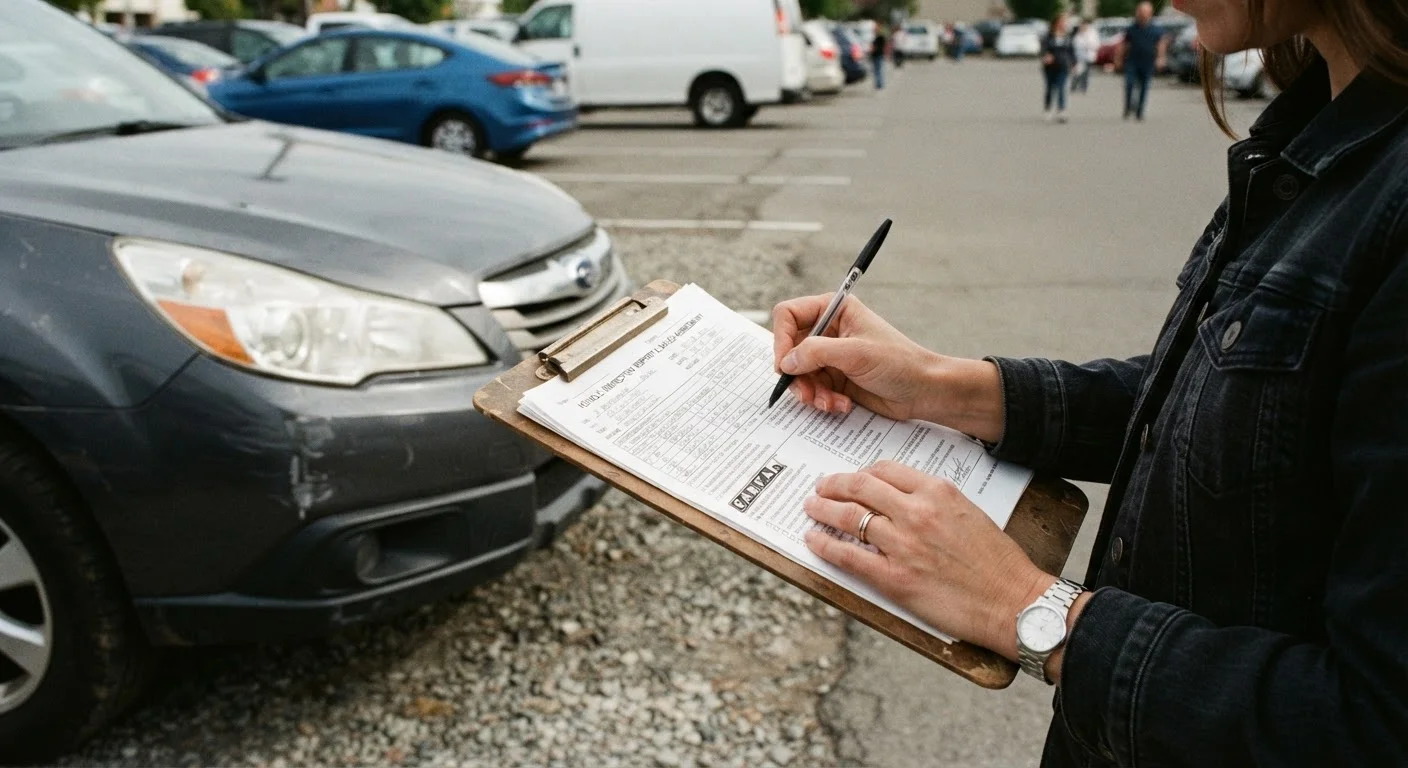
Photo credit: TrendingExperts.net
Walk through every step—vehicle history, inspection, title check, and paperwork—before committing to a used car purchase.
Key Takeaways
- Always obtain a vehicle history report before visiting the seller or dealership.
- An independent pre-purchase inspection by a qualified mechanic is one of the most valuable steps you can take.
- Verify the title is clean, lien-free, and matches the seller's ID before handing over any money.
- Test-drive the car under varied conditions - highway speeds, hard stops, tight turns.
- Understand every line on the final contract, including fees, before signing anything.
Why This Checklist Matters
Buying a used car is one of the largest purchases most Americans make, second only to a home. Yet many buyers skip critical verification steps - either from excitement, time pressure, or simply not knowing what to look for. The result can be an inherited mechanical problem, an undisclosed accident, or an unexpected lien that legally complicates ownership.
This checklist walks you through the process in the order it should happen: research before you visit, physical inspection when you arrive, a structured test drive, and a careful review of paperwork before any money changes hands. Think of it as a framework for confidence, not a barrier to a good deal.
For a broader look at the financial decisions surrounding vehicle ownership - budgeting, depreciation, and eventual resale - see the complete financial roadmap for car owners.
Before You Visit
Physical Inspection
Test Drive
Title and Legal Verification
Final Paperwork Review
Tools You'll Need
Having the right resources ready before you show up saves time and reduces the chance that a seller's urgency will rush your decision.
Vehicle History Report Service (e.g., Carfax or AutoCheck)
Provides accident history, title status, odometer records, and ownership count using the vehicle's VIN.
NHTSA Recall Database (nhtsa.gov)
Free government tool to check whether a vehicle has any open safety recalls by VIN.
OBD-II Diagnostic Scanner
Reads stored fault codes from the vehicle's computer, revealing issues the seller may not have disclosed.
Tread Depth Gauge
Measures remaining tire tread to assess wear and estimate replacement cost.
Flashlight
Essential for inspecting wheel wells, undercarriage, and the engine bay in shadowed areas.
Qualified Independent Mechanic
Performs a thorough pre-purchase inspection to surface mechanical issues invisible to an untrained eye.
What to Watch for During Paperwork
The negotiated price is rarely the final number. Documentation fees, dealer-installed add-ons, and warranty upsells can add hundreds or thousands of dollars by the time the contract is printed. Read every line before initialing anything - if a fee wasn't discussed, ask for it to be itemized and explained.
Never Skip the Independent Inspection
A pre-purchase inspection by a mechanic you hire - not the seller's shop - typically costs between $100 and $200 and can surface problems worth many times that amount. If a seller refuses to allow an independent inspection, treat that refusal as a significant warning sign. No legitimate seller with a sound vehicle should object to the process.
Pay close attention to the odometer disclosure statement, the as-is clause (if any), and any financing terms if you're not paying cash. Once you sign, your legal options narrow considerably. For a detailed breakdown of what can appear on the final bill, see hidden fees that show up after you agree on a price.
After the purchase, staying on top of routine car maintenance from the start protects your investment and helps you catch any emerging issues before they become expensive repairs.
Verbal Promises Don't Hold Up
Any assurance a seller makes verbally - about repairs they'll complete, features they'll include, or warranty coverage they'll provide - is effectively unenforceable once you've signed the contract. Insist on written documentation for every commitment before the deal closes. If it isn't in the paperwork, assume it won't happen.

Author
Automotive Editorial Team
Automotive Editorial Team is the collective byline for our editorial team and contributor network. Articles published under this byline or an editorial pen name are researched, written, and reviewed according to our editorial standards for clarity, consistency, and independence before publication.
View all articles →