
Leasing a Car: How It Works and Who It Actually Makes Sense For
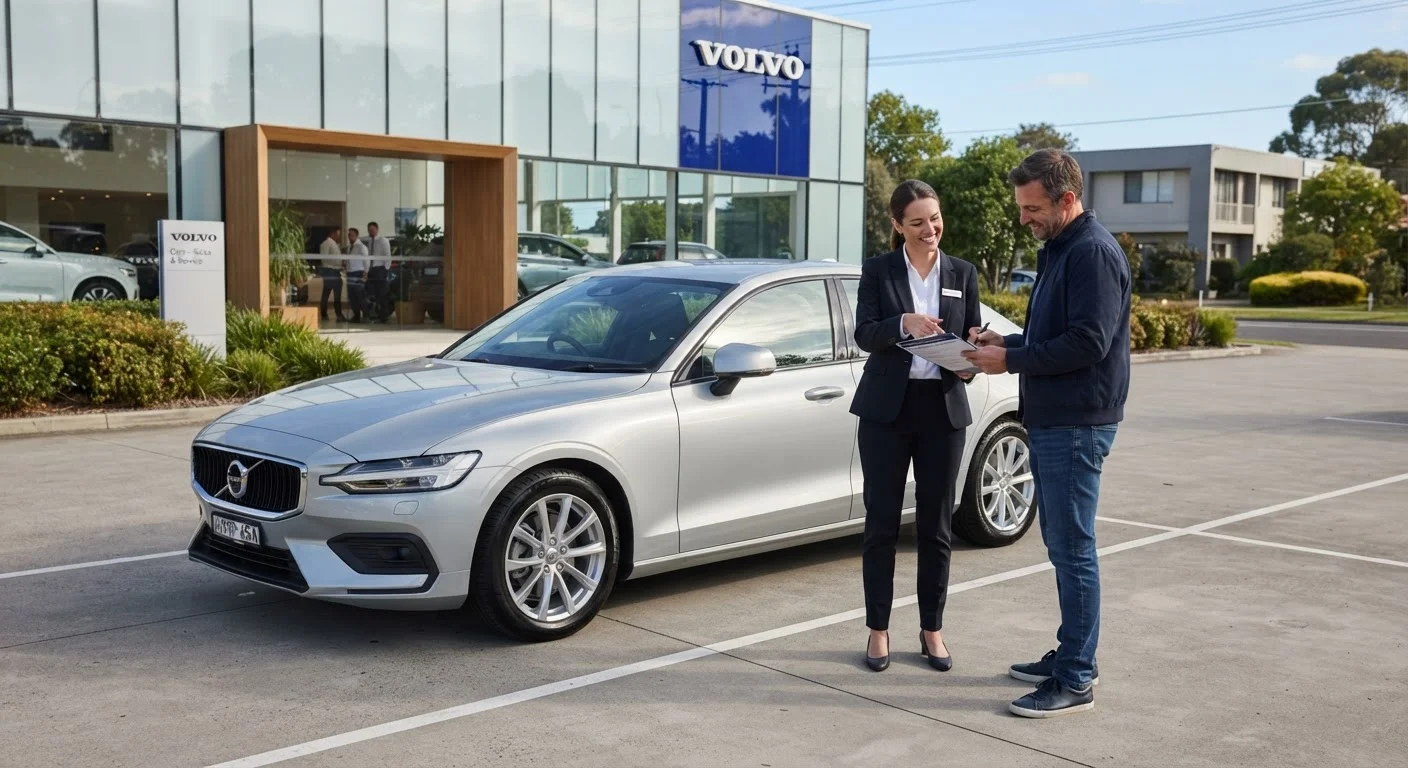
Photo credit: TrendingExperts.net
In this article
A clear walkthrough of how car leases are structured, what the key terms mean, and the trade-offs compared to buying.
Key Takeaways
- A lease lets you drive a vehicle for a set term in exchange for monthly payments - you don't own the car.
- Your payment is based on the vehicle's depreciation during the lease, not its full purchase price.
- Mileage limits and wear-and-tear standards are contractual obligations that carry real financial penalties.
- Leasing can lower monthly costs but typically costs more over the long run than owning a vehicle outright.
- Leasing suits drivers who value newer vehicles, lower short-term payments, and predictable maintenance.
What a Car Lease Actually Is
A car lease is a long-term rental agreement between you and a financing company, usually affiliated with an automaker or a bank. You pay to use the vehicle for a set period - typically two to four years - and return it at the end. Ownership never transfers to you unless you choose to purchase the car at lease end.
Think of it this way: when you buy a car, you're paying for the whole vehicle. When you lease, you're only paying for the portion of the vehicle's value you actually use - the depreciation that occurs over your lease term. That's the fundamental structural difference, and it drives most of what makes leasing distinct from buying or financing.
This guide is part of a broader look at vehicle ownership decisions. For the full financial arc - from budgeting to resale - see our complete financial roadmap.
The Key Terms You Need to Know
Lease contracts use specific terminology that can be disorienting if you encounter it for the first time at a dealership. Knowing what these terms mean before you sit down puts you in a much stronger position.
Capitalized cost
The agreed selling price of the vehicle, plus any fees or add-ons rolled into the lease. This is your starting point - negotiating it down directly lowers your payment.
Residual value
The projected value of the vehicle at the end of your lease term, expressed as a dollar amount or percentage of MSRP. A higher residual value means lower monthly payments because less depreciation is being financed.
Money factor
The lease equivalent of an interest rate. Multiply it by 2,400 to convert it to an approximate annual percentage rate (APR) for comparison purposes.
Mileage allowance
The maximum number of miles you're permitted to drive per year under your lease. Exceeding this limit triggers a per-mile fee at lease end.
Cap cost reduction
An upfront payment that reduces your capitalized cost, similar to a down payment on a purchase. It lowers monthly payments but does not reduce your financial risk if the car is totaled early in the lease.
Disposition fee
A fee charged by the leasing company when you return the vehicle at lease end and do not purchase it or lease another vehicle from the same brand.
For a broader reference covering these and other ownership terms, the Car Ownership Costs Glossary is a useful companion resource.
How Your Monthly Payment Is Calculated
Your monthly lease payment has two main components: a depreciation charge and a finance charge.
- Depreciation charge: Take the adjusted capitalized cost, subtract the residual value, then divide by the number of months in the lease. This is the core of your payment - you're essentially paying for how much value the car loses while you drive it.
- Finance charge: Add the adjusted cap cost and the residual value together, then multiply by the money factor. This is the interest portion.
Add those two figures together and you have your base monthly payment before taxes and fees. A lower negotiated cap cost, a higher residual value, or a lower money factor each reduce what you pay monthly. This is why understanding these terms matters - they're levers, not fixed facts.
Convert the Money Factor Before You Agree
Dealers don't always present the money factor in a way that's easy to compare to a standard interest rate. Multiply any quoted money factor by 2,400 to get the rough equivalent APR. For example, a money factor of 0.00200 equals roughly 4.8% APR. This makes it much easier to assess whether the financing terms are competitive.
Depreciation is also central to the buy-versus-lease comparison. Understanding how depreciation works helps you evaluate both options more clearly.
Who Leasing Tends to Work Well For
Leasing isn't a universally better or worse choice - it depends on how you use a car and what you value in vehicle ownership.
Leasing tends to align well with drivers who:
- Drive a predictable, moderate number of miles each year (typically under 12,000-15,000 miles annually)
- Prefer driving a newer vehicle every two to three years without the hassle of reselling
- Want lower monthly payments than a comparable purchase loan would require
- Drive primarily for business and can deduct a portion of lease costs (consult a tax professional for your specific situation)
- Value having a car that's almost always under warranty, reducing the unpredictability of repair costs
Leasing tends to be a poor fit for high-mileage drivers, people who modify their vehicles, anyone who plans to keep a car for many years, or those who want to build equity in an asset over time.
The Real Trade-Offs to Weigh
The lower monthly payment of a lease is real, but it's not the whole financial picture. At the end of a lease, you have no equity - you hand the car back and start over. If you lease continuously, you're always making payments without accumulating ownership. By contrast, someone who finances and pays off a vehicle eventually owns an asset outright, even if that asset has depreciated.
There are also contractual constraints that don't exist with ownership: mileage caps, wear-and-tear standards, and penalties for early exit. These aren't designed to trap you - they reflect genuine financial terms - but they do reduce your flexibility.
Upfront Payments Don't Reduce Risk
A cap cost reduction (down payment on a lease) lowers your monthly payment, but if the vehicle is stolen or totaled shortly after you sign, you typically won't recover that upfront money. GAP coverage can protect you from owing more than the car's value, but it doesn't reimburse a cap cost reduction. Think carefully before making a large upfront payment on a leased vehicle.
For a side-by-side look at how the long-term costs of leasing and buying actually stack up, see Buying vs. Leasing: Sorting Out the Long-Term Financial Picture. And if you're also weighing financing options, Financing vs. Paying Cash covers another important comparison.
Ultimately, the right choice depends on your financial situation, driving habits, and how much you value flexibility versus long-term asset building. Leasing is a legitimate and sometimes financially sensible option - but only when you go in with a clear understanding of its structure and its limits.
Frequently Asked Questions

Author
Automotive Editorial Team
Automotive Editorial Team is the collective byline for our editorial team and contributor network. Articles published under this byline or an editorial pen name are researched, written, and reviewed according to our editorial standards for clarity, consistency, and independence before publication.
View all articles →