
Buying vs. Leasing: Sorting Out the Long-Term Financial Picture
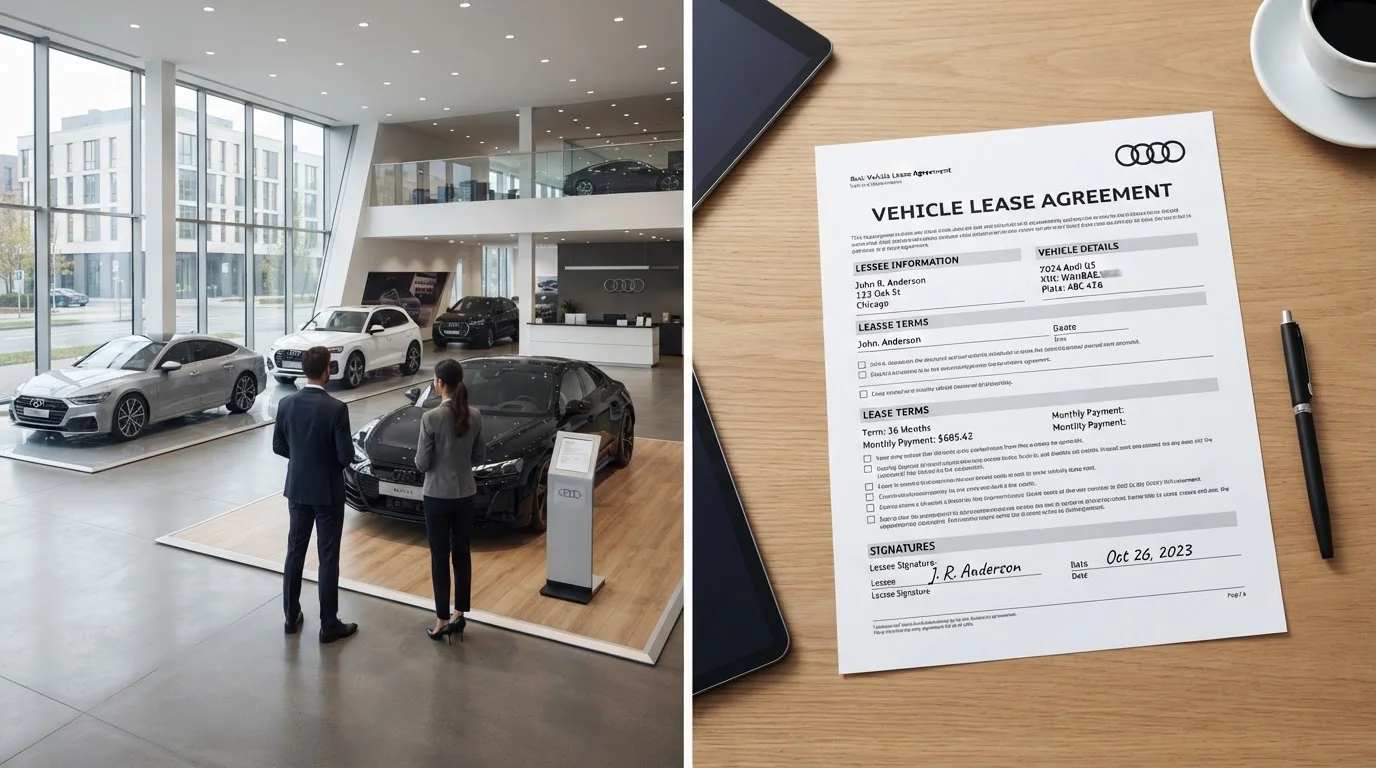
Photo credit: TrendingExperts.net
In this article
See how the total costs of buying and leasing a vehicle stack up over time, and which lifestyle factors tip the scales either way.
Key Takeaways
- Buying costs more upfront but builds equity; leasing offers lower payments with no ownership at term's end.
- Over a decade or more, buying and eventually driving payment-free is typically less expensive than continuous leasing.
- Mileage limits, excess-wear fees, and early termination penalties can make leasing costly if your habits change unexpectedly.
- Your annual mileage, how long you keep vehicles, and your cash-flow needs are the most decisive factors in choosing.
- Neither option is universally better - the right choice depends on your driving habits, financial situation, and priorities.
What You're Actually Paying For in Each Scenario
When you buy a vehicle, you're financing - or paying outright for - the car's full purchase price. Your monthly loan payment builds toward complete ownership, and once the loan is retired, the asset is yours. When you lease, you're essentially renting the vehicle for a set term (typically 24-36 months), paying for the portion of its value you consume through use. At lease-end, you return the car and start over.
This structural difference shapes everything that follows. Buyers take on more financial commitment up front, but that commitment translates to equity. Lessees keep monthly obligations lower but never accumulate ownership interest in the vehicle. For a deeper look at how lease contracts are structured and what terms like residual value and money factor mean, see how car leases are structured.
| Criterion | Buying | Leasing |
|---|---|---|
| Monthly payment | Higher (full vehicle value financed) | Lower (depreciation only) |
| Ownership at term's end | Yes - vehicle is yours | No - return or buy out |
| Mileage restrictions | None | Typically 10,000-15,000 miles/year |
| Long-term cost (10+ years) | Lower once loan is paid off | Higher - continuous payments |
| Equity / resale value | Yes - can sell or trade in | None unless buyout exercised |
| Modification freedom | Permitted | Generally prohibited |
| Early exit flexibility | Sell or refinance | Potentially costly termination fees |
| Warranty coverage | Expires; repairs become owner's cost | Usually covered throughout term |
The Long-Term Math: Where Each Path Leads
In the short run, leasing typically wins on monthly cash flow. But financial comparisons need a longer horizon to be meaningful. Consider a simple scenario: a driver who leases the same class of vehicle back-to-back for ten years pays continuously - there is no finish line where payments stop. A buyer who finances over five years and keeps the vehicle for ten drives payment-free for the second half of that decade.
Depreciation is the variable that complicates this picture for buyers. New vehicles lose a significant portion of their value in the first few years of ownership, which is precisely why lease payments are lower - the leasing company prices in that drop and shoulders the residual-value risk. Buyers absorb depreciation directly when they eventually sell or trade in. That said, a paid-off vehicle with moderate depreciation still represents real monetary value, even if it's less than the original purchase price.
~49%
Share of new-vehicle value lost in first three years
Industry data consistently shows new vehicles depreciate steeply in their early years, with rates varying by make, model, and market conditions.
~12 years
Average age of vehicles on U.S. roads
According to S&P Global Mobility data, the average age of registered passenger vehicles in the U.S. has trended upward, suggesting many drivers keep vehicles well past any loan or lease term.
30-60%
Typical monthly payment difference: lease vs. purchase loan
Lease payments are generally lower than loan payments on the same vehicle, though the precise gap varies based on interest rates, lease terms, residual values, and down payment amounts.
The true annual cost of owning a vehicle - insurance, maintenance, fuel, registration - applies equally to both paths. Neither buying nor leasing eliminates these ongoing expenses, so they shouldn't factor into the buy-vs.-lease decision itself.
Hidden Costs and Lifestyle Friction Points
Leases come with contractual guardrails that can generate unexpected costs. Mileage overages are billed per mile beyond the lease cap - commonly 10-15 cents per mile, though terms vary by contract. Excess wear-and-tear charges apply at vehicle return if the car shows damage beyond what the lessor defines as normal use. And early termination - ending a lease before the agreed term - can be expensive, sometimes more costly than continuing payments.
Buying has its own friction points. Out-of-pocket repair costs become the owner's responsibility once the factory warranty expires. If you plan to modify the vehicle, ownership gives you that freedom; leasing typically prohibits modifications. On the equity side, buyers who finance with a small down payment risk becoming "upside down" - owing more than the car is worth - particularly in the first few years. Understanding how negative equity develops can help buyers structure their purchase more carefully from the start.
Lease Buyout: A Third Path at Term's End
At the end of a lease, most contracts include an option to purchase the vehicle at a pre-set residual value. If the vehicle has held its value well and the buyout price is competitive with the used market, exercising this option can make financial sense - effectively converting a lease into a purchase. It's worth evaluating this option before returning the vehicle, particularly if you've maintained the car carefully and are satisfied with it.
When buying, how and when you eventually sell the vehicle also affects your net cost. Selling privately versus trading in can yield meaningfully different returns and is worth factoring into the long-term financial picture.
Making the Decision Based on Your Actual Situation
The clearest way to think through this decision is to map the variables that matter most: how many miles you drive annually, how long you typically keep a vehicle, whether you value payment predictability or equity accumulation, and how important cash-flow flexibility is in your current financial life.
Neither option is inherently superior. Leasing suits drivers who value flexibility, predictability, and always driving under warranty. Buying suits those who drive heavily, keep vehicles long-term, or want to eventually drive without a monthly payment. For a fuller view of every financial dimension of vehicle ownership - from initial budgeting through depreciation and eventual resale - the complete financial roadmap for car ownership is a useful companion. It's also worth reviewing financing versus paying cash if you're leaning toward buying and haven't settled on how to fund the purchase.
Whatever direction you lean, running an honest total-cost comparison - not just monthly payment comparisons - gives you the clearest financial picture of where each path actually leads.

Author
Automotive Editorial Team
Automotive Editorial Team is the collective byline for our editorial team and contributor network. Articles published under this byline or an editorial pen name are researched, written, and reviewed according to our editorial standards for clarity, consistency, and independence before publication.
View all articles →