
Car Ownership Costs Glossary: Terms Every Driver Should Know
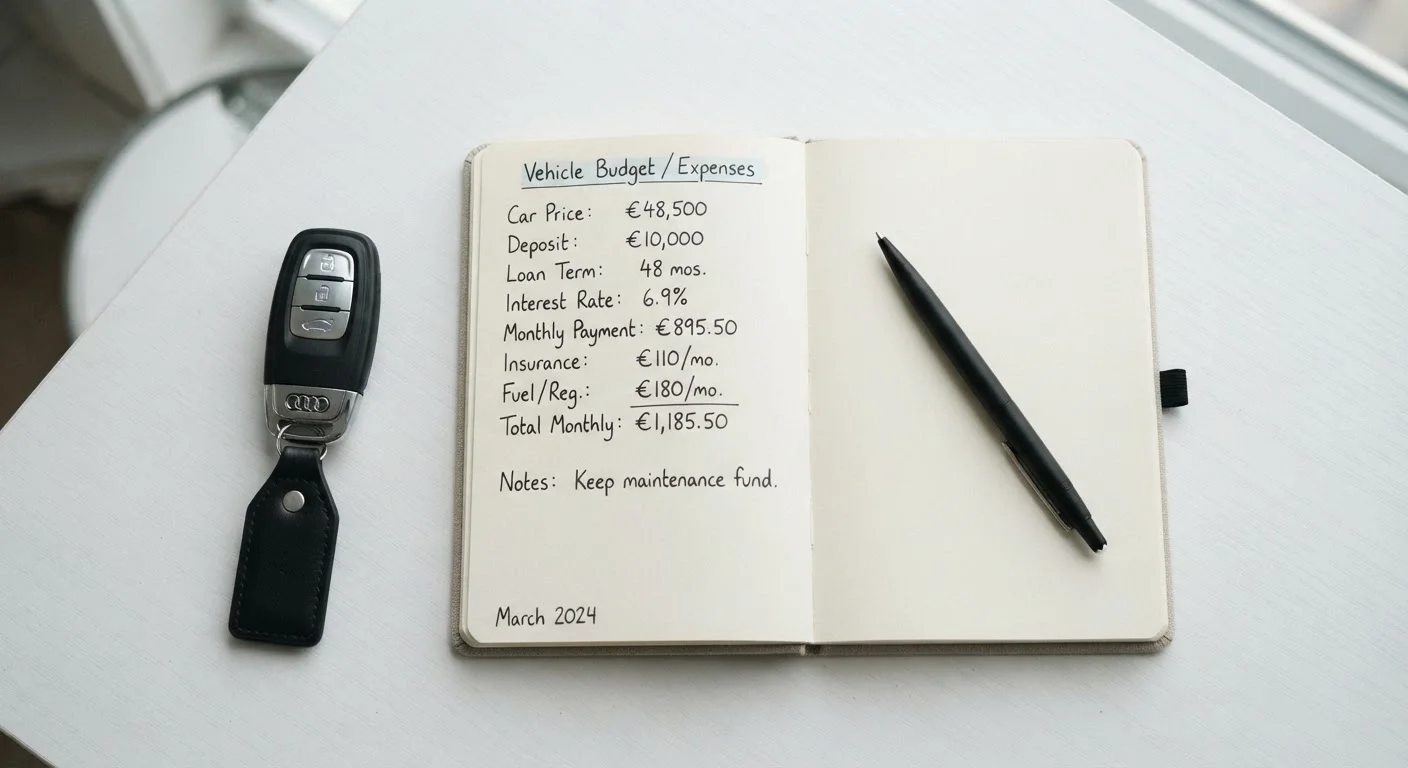
Photo credit: TrendingExperts.net
In this article
A plain-English reference for common car ownership terms—from GAP coverage and residual value to registration fees and TCO.
Why Car Ownership Language Matters
Car ownership involves a surprisingly dense vocabulary. Terms like residual value, money factor, and capitalized cost appear in contracts and dealership conversations, yet rarely come with explanations. Misunderstanding even one of these can lead to paying more than necessary or agreeing to terms that don't fit your situation.
This glossary defines the terms most drivers encounter across the buying, leasing, financing, and ongoing-ownership stages of vehicle life. Whether you are reviewing a loan offer or trying to understand what your insurance will actually pay after an accident, these definitions give you a clear starting point.
For a deeper look at how financing numbers fit together on paper, see reading an auto loan offer. And for fees that often catch buyers off guard at signing, the hidden fees guide is worth reviewing before you finalize a deal.
These Terms Appear Across Buying and Leasing
Many of the terms below apply whether you are financing a purchase or signing a lease. Some - like residual value and money factor - are lease-specific, while others like depreciation and TCO matter equally to buyers. If you are comparing both paths, see our buying vs. leasing breakdown for context on how these figures interact.
Key Terms - Defined
The definitions below are grouped loosely by when you are most likely to encounter them, though many terms overlap across the ownership timeline.
A Note on Total Cost of Ownership
TCO is arguably the most important concept for any driver making a vehicle decision. A car with a lower sticker price may carry higher insurance premiums, worse fuel economy, or above-average maintenance costs - making it more expensive to own over time than a pricier alternative. Building a realistic TCO estimate helps you compare vehicles honestly. The complete financial roadmap walks through each cost category in detail.
For lease-specific terms like money factor and capitalized cost, the leasing explainer shows how these figures work together to determine your monthly payment. Keeping up with routine car maintenance is also a meaningful part of managing long-term ownership costs.
| Average new-vehicle depreciation (first year) | Approximately 15-25% (Industry estimates vary; actual figures depend on make, model, and market conditions) |
| Typical lease term | 24-36 months |
| GAP coverage - when it matters most | When down payment is under 20% or loan term exceeds 60 months |
| Documentation fee range (U.S.) | $100-$900+ (Varies significantly by state; some states cap the amount) |
| Standard manufacturer warranty (powertrain) | 5 years / 60,000 miles (common benchmark) (Actual coverage varies by manufacturer) |

Author
Automotive Editorial Team
Automotive Editorial Team is the collective byline for our editorial team and contributor network. Articles published under this byline or an editorial pen name are researched, written, and reviewed according to our editorial standards for clarity, consistency, and independence before publication.
View all articles →