
Car Depreciation Explained: Why Your Vehicle Loses Value and How Fast
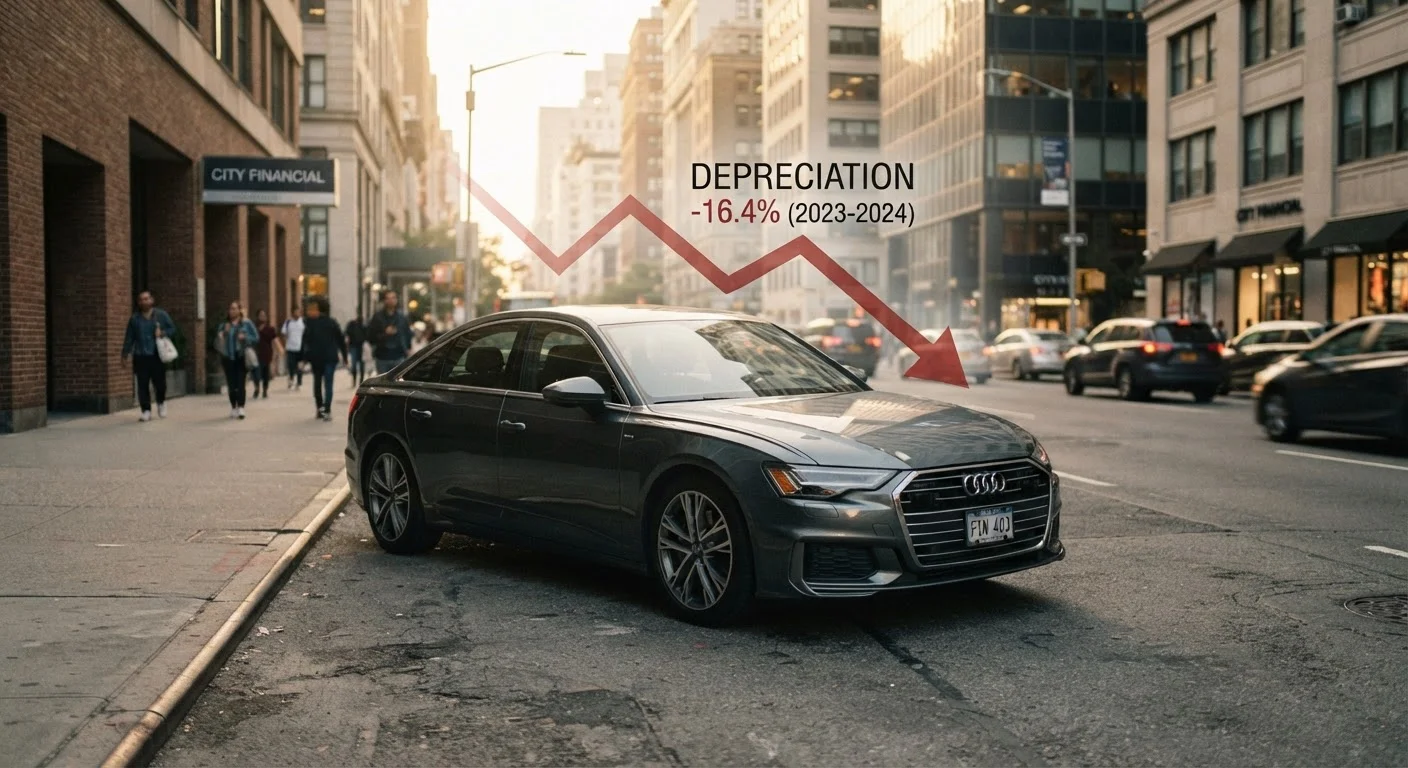
Photo credit: TrendingExperts.net
In this article
Understand how depreciation works, which factors accelerate it, and why it matters when you decide to sell or trade in.
Key Takeaways
- New cars typically lose 15-25% of their value in the first year alone.
- Several factors - mileage, condition, brand reputation, and fuel type - directly influence how fast a car depreciates.
- Understanding depreciation helps you make smarter decisions about when to buy, sell, or trade in.
- Buying a used vehicle that has already absorbed steep initial depreciation can reduce your overall ownership cost.
- Regular maintenance helps preserve resale value by slowing the pace of depreciation.
What Depreciation Actually Means for Car Owners
When you buy a new car, you're not just paying for transportation - you're also absorbing a financial cost that starts accumulating the moment you drive away. That cost is depreciation: the gradual (and sometimes rapid) erosion of your vehicle's market value over time.
Unlike a mortgage, where monthly payments build equity in an asset that may appreciate, car payments rarely keep pace with how quickly a vehicle loses value. This gap between what you owe and what the car is worth is what makes depreciation one of the most consequential - and underappreciated - components of vehicle ownership. It's covered in depth as part of the true cost of owning a car, alongside insurance, fuel, and maintenance.
Depreciation isn't a fee you pay to anyone - it's a value you lose silently. For most drivers, it accounts for a larger share of annual ownership cost than fuel or insurance.
~20%
Average first-year depreciation for new vehicles
Industry valuation sources broadly estimate that most new cars lose around 15-25% of their value in the first year of ownership.
40-60%
Value lost by year five for many vehicles
By the five-year mark, a large share of vehicles have depreciated to less than half their original purchase price, depending on make, model, and usage.
#1
Depreciation's rank among annual car ownership costs
For many drivers, depreciation represents the single largest annual cost of vehicle ownership - often exceeding fuel and insurance combined.
How Fast Does a Car Lose Value?
The steepest depreciation typically happens earliest. Research from automotive valuation sources consistently shows that new vehicles lose roughly 15-25% of their value in the first year. By the end of year five, many cars have lost 40-60% of their original purchase price - though this varies significantly by vehicle type, brand perception, and market conditions.
After the initial drop, the rate of depreciation usually slows. A car that loses 20% in year one may only lose 8-10% in year three. This is why buying a vehicle that's one to two years old can make financial sense for some buyers - someone else has absorbed the sharpest part of the curve.
The concept of residual value - the projected worth of a vehicle at a future point - is key to understanding this curve. If you're considering a lease, residual value directly influences your monthly payment. Our car ownership costs glossary defines residual value and other terms worth understanding before you sign any contract.
Key Factors That Influence Depreciation Rate
Not all cars depreciate at the same pace. Several variables shape how quickly - or slowly - a vehicle sheds value:
- Mileage: Higher annual mileage accelerates depreciation. Lenders, dealers, and private buyers all weigh mileage heavily when assessing value.
- Condition and maintenance history: A well-maintained vehicle with documented service records typically holds value better than one with deferred maintenance or cosmetic damage.
- Brand and model reputation: Vehicles with strong reliability reputations and enduring demand tend to depreciate more slowly.
- Vehicle category: Trucks and SUVs have historically held value better than sedans in the U.S. market, though this can shift with fuel prices and consumer preferences.
- Fuel type: The market for electric and hybrid vehicles is evolving, and depreciation patterns for these segments are less established than for traditional gasoline vehicles.
- Color and features: Unusual colors or configurations with limited buyer appeal can drag on resale value.
A driver purchases a new mid-size sedan for $35,000. One year later, they check its trade-in value and find it's worth approximately $27,000.
A buyer decides to purchase a two-year-old version of the same model with 18,000 miles for $26,500 instead of buying new.
A truck owner keeps detailed service records, addresses minor body scratches promptly, and keeps annual mileage near the regional average.
Understanding these variables helps you anticipate how your vehicle will perform financially - whether you're buying, holding, or planning to sell.
What Depreciation Means When You're Ready to Sell or Trade In
The practical impact of depreciation becomes most visible when it's time to move on from your current vehicle. If you financed your purchase and depreciation has outpaced your loan payoff, you may find yourself in a position where you owe more than the car is worth - commonly called being upside down or underwater on a loan.
Knowing your vehicle's approximate current market value before approaching a dealer helps you negotiate from an informed position. Whether you trade in at a dealership or sell privately, depreciation defines the ceiling of what buyers will pay. Our guide on trade-in timing walks through how to evaluate both paths and what factors affect each.
Depreciation is also a central consideration in leasing. Because lease payments are calculated partly on projected depreciation, vehicles that hold value well often come with lower monthly costs. For a closer look at how that math works, see our explainer on how car leases are structured.
Practical Ways to Protect Your Vehicle's Resale Value
While depreciation is inevitable, how you care for your vehicle can meaningfully affect the rate at which it loses value - and what you recover when you sell.
Staying current with scheduled maintenance is one of the most consistent ways to protect resale value. Buyers and dealers pay attention to service history, and a well-documented record signals that the vehicle has been cared for. The car maintenance essentials hub is a practical starting point for understanding what upkeep actually matters and why.
Beyond maintenance, keeping mileage in check, avoiding major modifications, repairing cosmetic damage promptly, and storing the vehicle appropriately (avoiding prolonged sun exposure or harsh climates) all contribute to retaining value. None of these steps guarantee a specific outcome, but collectively they position your vehicle more competitively when the time comes to sell.
For the full financial picture of what owning a vehicle costs from purchase through eventual sale, the complete car ownership financial roadmap offers a structured walkthrough of every major cost stage.
Frequently Asked Questions

Author
Automotive Editorial Team
Automotive Editorial Team is the collective byline for our editorial team and contributor network. Articles published under this byline or an editorial pen name are researched, written, and reviewed according to our editorial standards for clarity, consistency, and independence before publication.
View all articles →