
What Nutrition Labels Are Actually Telling You
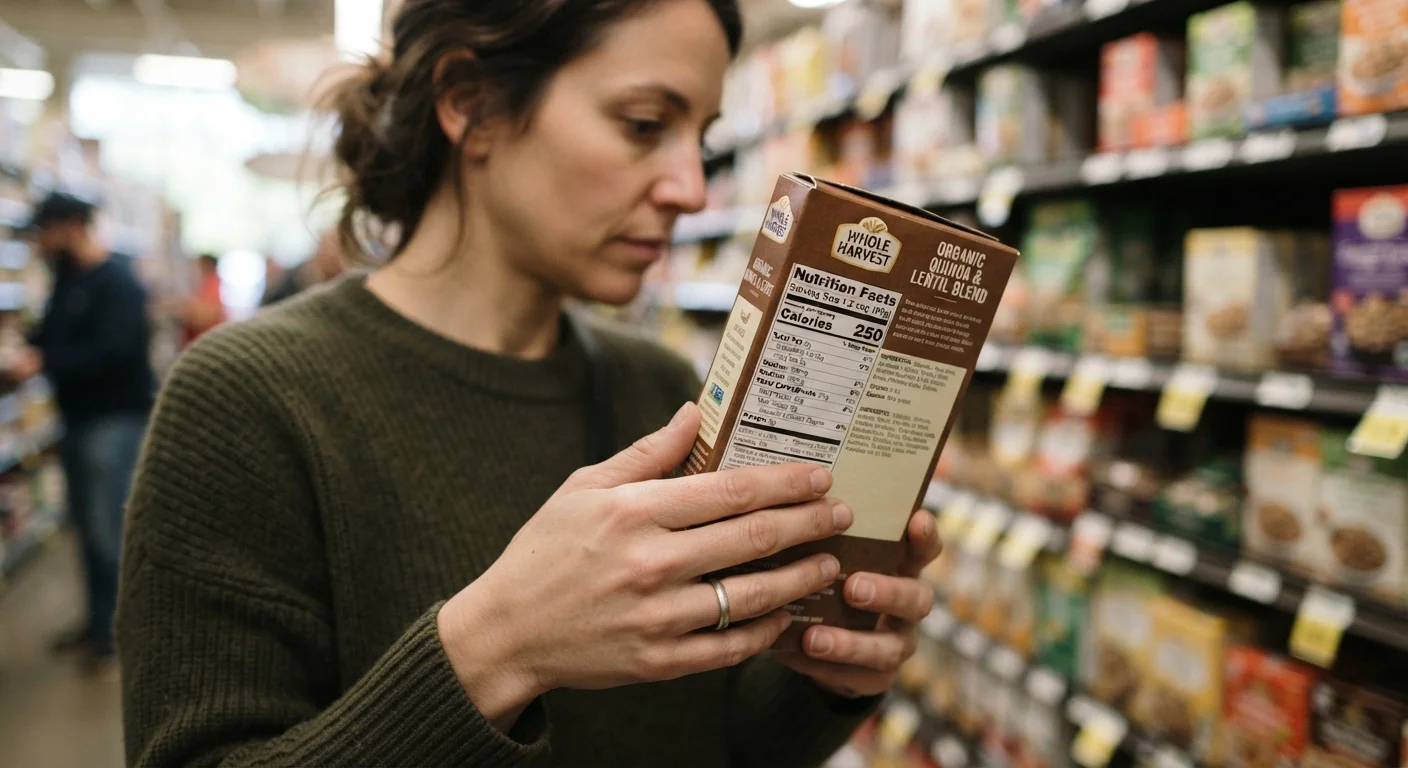
Photo credit: TrendingExperts.net
In this article
Decode the numbers and terms on food packaging so you can make more informed choices at the grocery store.
Key Takeaways
- Serving size is the foundation of every number on the label - always check it first.
- Daily Value percentages show how a nutrient fits into a general 2,000-calorie diet, not your personal needs.
- Added sugars and saturated fat are two of the most meaningful figures to monitor for overall health.
- "Low fat" or "natural" on the front of a package has no direct connection to the Nutrition Facts panel on the back.
- Ingredients are listed by weight - the first few ingredients make up the bulk of the product.
- Nutrition needs vary by age, health status, and activity level; consult a healthcare provider for personalized guidance.
Start with Serving Size - Everything Else Depends on It
The single most important field on any nutrition label is the serving size, yet it's easy to overlook. Every number that follows - calories, grams of fat, milligrams of sodium - applies to that stated portion, not to the entire package. If a bag of chips lists 150 calories per serving and contains three servings, eating the whole bag means consuming 450 calories.
Serving sizes were updated under the 2020 FDA label rules to reflect amounts people more realistically consume. A single serving of ice cream, for example, was adjusted from half a cup to two-thirds of a cup. This change makes calorie counts more honest - but it also means comparing labels across brands requires checking that their serving sizes are equivalent before drawing conclusions.
Compare Labels Using Equal Serving Sizes
When comparing two similar products, always check that their serving sizes match before comparing calories or nutrients. A cereal listing 130 calories per 3/4 cup and another listing 160 calories per cup may actually be very close in calorie density once adjusted to the same portion. Making this quick check prevents misleading side-by-side comparisons.
Calories and Macronutrients: What the Numbers Mean
Calories measure the energy a food provides. Below that figure, the label breaks down the three macronutrients: fat, carbohydrates, and protein. Each plays a distinct role in your body - fat supports cell function and hormone production, carbohydrates are the body's primary fuel source, and protein builds and repairs tissue. For a plain-language overview of how each one works, see our explanation of macronutrients.
Within fat, the label separates saturated fat and trans fat. Saturated fat is associated with cardiovascular risk when consumed in excess, according to established dietary guidance. Artificial trans fats have been largely phased out of the U.S. food supply following FDA action, though small amounts may still appear. Within carbohydrates, dietary fiber and total sugars are broken out, with added sugars now listed as a separate line item.
2020
Year FDA's updated Nutrition Facts label took effect
The FDA's updated label format became mandatory for most manufacturers in January 2020, introducing added sugars as a required line item and updating serving sizes.
20%+ DV
Threshold considered "high" for any nutrient
According to FDA guidelines, a %DV of 20 or more per serving indicates a food is a high source of that nutrient - useful for both nutrients you want more of and those you may want to limit.
5% DV
Threshold considered "low" for any nutrient
The FDA defines 5% DV or less as a low amount of a nutrient per serving, a benchmark that applies equally to fiber, sodium, and saturated fat.
Reading % Daily Value Correctly
The % Daily Value (%DV) column on the right side of the label is a quick reference guide - not a personalized prescription. These percentages are anchored to a 2,000-calorie-per-day reference diet, which is a general benchmark, not a universal target. Your actual needs may differ based on age, activity level, and health status. For a deeper look at how nutrient requirements shift across life, see our article on nutrition needs across life stages.
As a practical rule of thumb endorsed by the FDA: 5% DV or less means a nutrient is present in a low amount; 20% DV or more means it is present in a high amount. This helps you quickly identify whether a food is a meaningful source of fiber or calcium, or whether it's delivering a hefty portion of your daily sodium in a single serving.
The Ingredients List: Context Behind the Numbers
The Nutrition Facts panel quantifies what's in a product, but the ingredients list tells you where those nutrients come from. Ingredients appear in descending order by weight, so if sugar, refined flour, or partially hydrogenated oil appears near the top, that ingredient makes up a substantial portion of the food.
Whole grain identification is a common point of confusion. A product labeled "made with whole grains" may contain only a small percentage of whole grain flour, with refined flour making up the majority. The ingredients list will reveal the actual sequence. Our article on whole grains vs. refined grains explains what that distinction means for your nutrition.
Front-of-package language like "natural," "low-fat," or "superfood" is marketing language - not a summary of the Nutrition Facts panel. The guide to healthy food marketing claims explains what these terms do and don't legally require.
Labels Reflect General Population Guidelines
The Daily Values on nutrition labels are based on general dietary reference standards for healthy adults. They are not tailored to people with specific health conditions, food allergies, or medically prescribed diets. If you manage a chronic condition or have specialized dietary requirements, a registered dietitian can help you interpret labels in the context of your personal health needs.
This article is for general informational purposes only and is not medical advice. Individual nutrition needs vary widely. Consult a qualified healthcare provider or registered dietitian for personalized dietary guidance.
Frequently Asked Questions

Author
Health Editorial Team
Health Editorial Team is the collective byline for our editorial team and contributor network. Articles published under this byline or an editorial pen name are researched, written, and reviewed according to our editorial standards for clarity, consistency, and independence before publication.
View all articles →