
Protein, Carbs, and Fat: What Each Macronutrient Actually Does
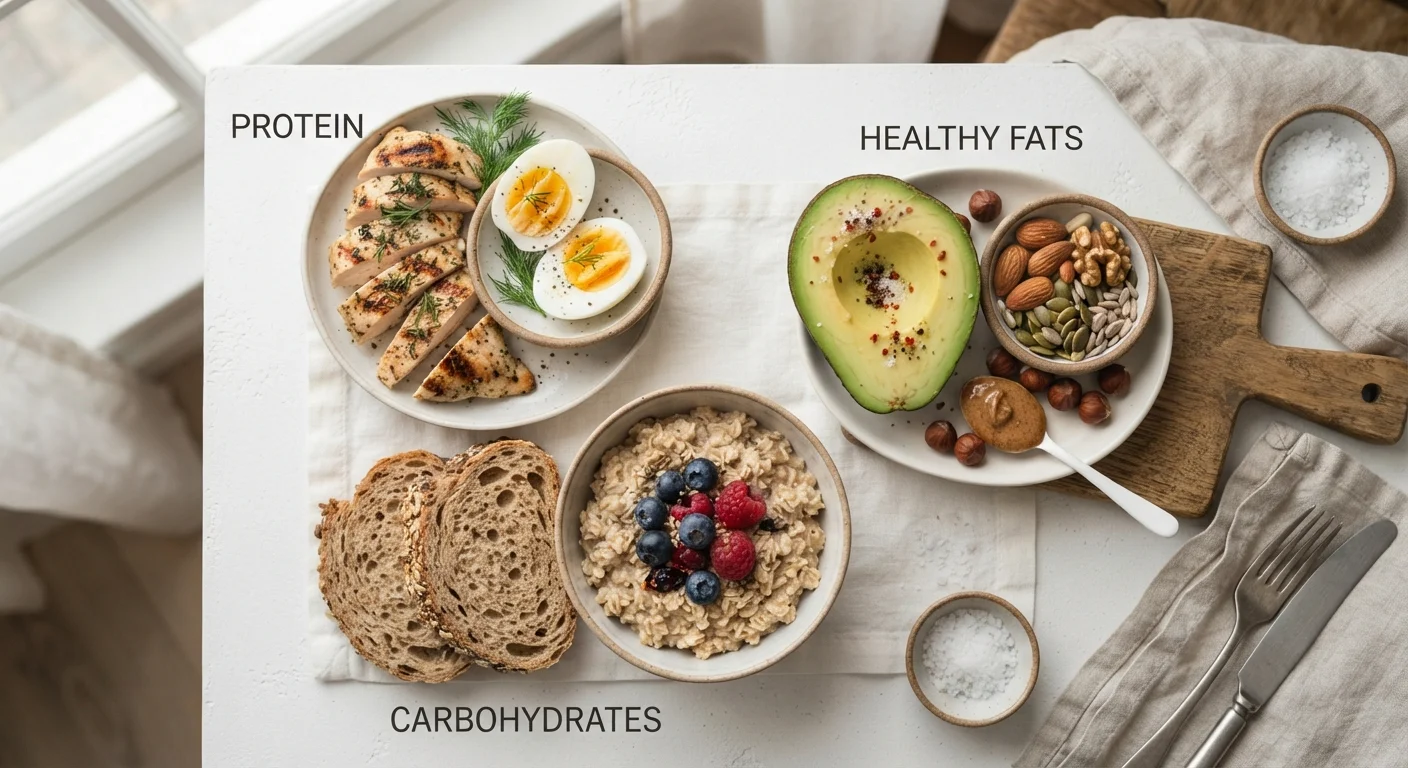
Photo credit: TrendingExperts.net
In this article
A plain-language breakdown of the three macronutrients, how your body uses them, and why none of them deserves a blanket ban.
Why Macronutrients Matter
Every food you eat is made up of some combination of three core nutrients: protein, carbohydrates, and fat. These are called macronutrients because your body needs them in relatively large amounts - unlike vitamins and minerals, which are needed in trace quantities. Each macronutrient provides calories and carries out functions that the others simply cannot replace.
Despite what popular diets sometimes suggest, no single macronutrient is universally harmful. The science of nutrition is more nuanced than that. Understanding what each one actually does in your body is one of the most useful pieces of health literacy you can develop. When you read a food label, those numbers for protein, total carbohydrates, and total fat start to mean something concrete. (For help decoding the full label, see our guide to what nutrition labels are actually telling you.)
| Calories per gram: Protein | 4 kcal/g (Atwater general factors, standard nutrition reference) |
| Calories per gram: Carbohydrates | 4 kcal/g (Atwater general factors, standard nutrition reference) |
| Calories per gram: Fat | 9 kcal/g (Atwater general factors, standard nutrition reference) |
| Essential amino acids | 9 (must come from food) (National Institutes of Health, Office of Dietary Supplements) |
| Fat-soluble vitamins | A, D, E, and K (Harvard T.H. Chan School of Public Health) |
| Primary energy storage form of carbs | Glycogen (liver and muscles) (Standard biochemistry reference) |
Protein: Building, Repairing, and Regulating
Protein is made up of smaller units called amino acids. There are 20 amino acids in total; nine of them are considered essential, meaning the body cannot make them on its own and must get them from food. Proteins are assembled from these amino acids like links in a chain, and the sequence of that chain determines the protein's job.
In the body, protein's primary roles include:
- Building and repairing tissue - muscle, skin, organs, and bone all depend on dietary protein for maintenance and recovery.
- Producing enzymes and hormones - many of the body's chemical messengers, including insulin, are proteins.
- Supporting immune function - antibodies that help fight infection are also proteins.
- Providing energy - protein yields about 4 calories per gram, though the body preferentially uses carbohydrates and fat for fuel first.
Animal foods like meat, poultry, fish, eggs, and dairy tend to supply all nine essential amino acids and are called complete proteins. Many plant foods can also meet protein needs when eaten in variety. If you follow a plant-forward diet, our article on plant-based eating and what the evidence says covers the protein landscape in detail.
Carbohydrates: The Body's Preferred Fuel
Carbohydrates are the body's most readily available energy source, providing 4 calories per gram. The digestive system breaks most carbohydrates down into glucose - a simple sugar that cells use directly for fuel. The brain, in particular, relies heavily on glucose to function.
Carbohydrates fall into a few broad categories:
- Simple carbohydrates (sugars): Found naturally in fruit and dairy, and added to many processed foods. They digest quickly and raise blood sugar faster.
- Complex carbohydrates (starches): Found in grains, legumes, and starchy vegetables. They take longer to break down and tend to produce a steadier energy release.
- Dietary fiber: A type of carbohydrate the body cannot fully digest. Fiber supports digestive health, helps with satiety, and is associated with reduced risk of certain chronic conditions.
When glucose is not immediately needed, the body stores it as glycogen in the liver and muscles. Excess beyond storage capacity can be converted to fat. This is why the quality and overall dietary balance of carbohydrate intake - not simply the presence of carbs - tends to matter most for health.
Macronutrient
A nutrient the body needs in relatively large amounts to function. The three macronutrients are protein, carbohydrates, and fat, each providing energy (calories) and serving distinct biological roles.
Amino acids
The building blocks of protein. Of the 20 amino acids, nine are considered essential because the body cannot produce them and they must be obtained through food.
Glucose
A simple sugar that is the body's primary, most readily used source of energy. Most dietary carbohydrates are broken down into glucose during digestion.
Glycogen
The stored form of glucose, held in the liver and muscles. The body draws on glycogen reserves for quick energy between meals or during physical activity.
Dietary fiber
A type of carbohydrate the human body cannot fully digest. Fiber supports gut health, contributes to feelings of fullness, and is associated with reduced risk of certain chronic diseases.
Unsaturated fat
A category of dietary fat - including monounsaturated and polyunsaturated types - found in foods like olive oil, nuts, and fish. Research broadly associates these fats with cardiovascular benefits.
Fat: Essential, Not the Enemy
Dietary fat provides 9 calories per gram - more than twice that of protein or carbohydrates - making it a concentrated energy source. But fat is far more than just fuel. It plays critical structural and regulatory roles throughout the body.
Key functions of dietary fat include:
- Cell membrane structure - every cell in your body has a membrane built partly from fatty acids.
- Fat-soluble vitamin absorption - vitamins A, D, E, and K require dietary fat to be absorbed and used properly.
- Hormone production - many hormones, including sex hormones, are synthesized from cholesterol and other lipids.
- Brain health - the brain is roughly 60% fat by dry weight, and omega-3 fatty acids in particular are important for its structure and function.
- Insulation and organ protection - body fat cushions organs and helps regulate body temperature.
Not all fats behave the same way. Unsaturated fats - found in foods like olive oil, nuts, seeds, and fatty fish - are broadly associated with heart-health benefits in research. Saturated and trans fats have a more complex relationship with cardiovascular risk. For a deeper look at this distinction, see our article on saturated fat vs. unsaturated fat and why it matters.
This article is for general informational and educational purposes only and is not a substitute for professional medical or dietary advice. Consult a qualified healthcare provider or registered dietitian for guidance tailored to your individual health needs.

Author
Health Editorial Team
Health Editorial Team is the collective byline for our editorial team and contributor network. Articles published under this byline or an editorial pen name are researched, written, and reviewed according to our editorial standards for clarity, consistency, and independence before publication.
View all articles →