
Plant-Based Eating: What It Covers, What It Doesn't, and What the Evidence Says
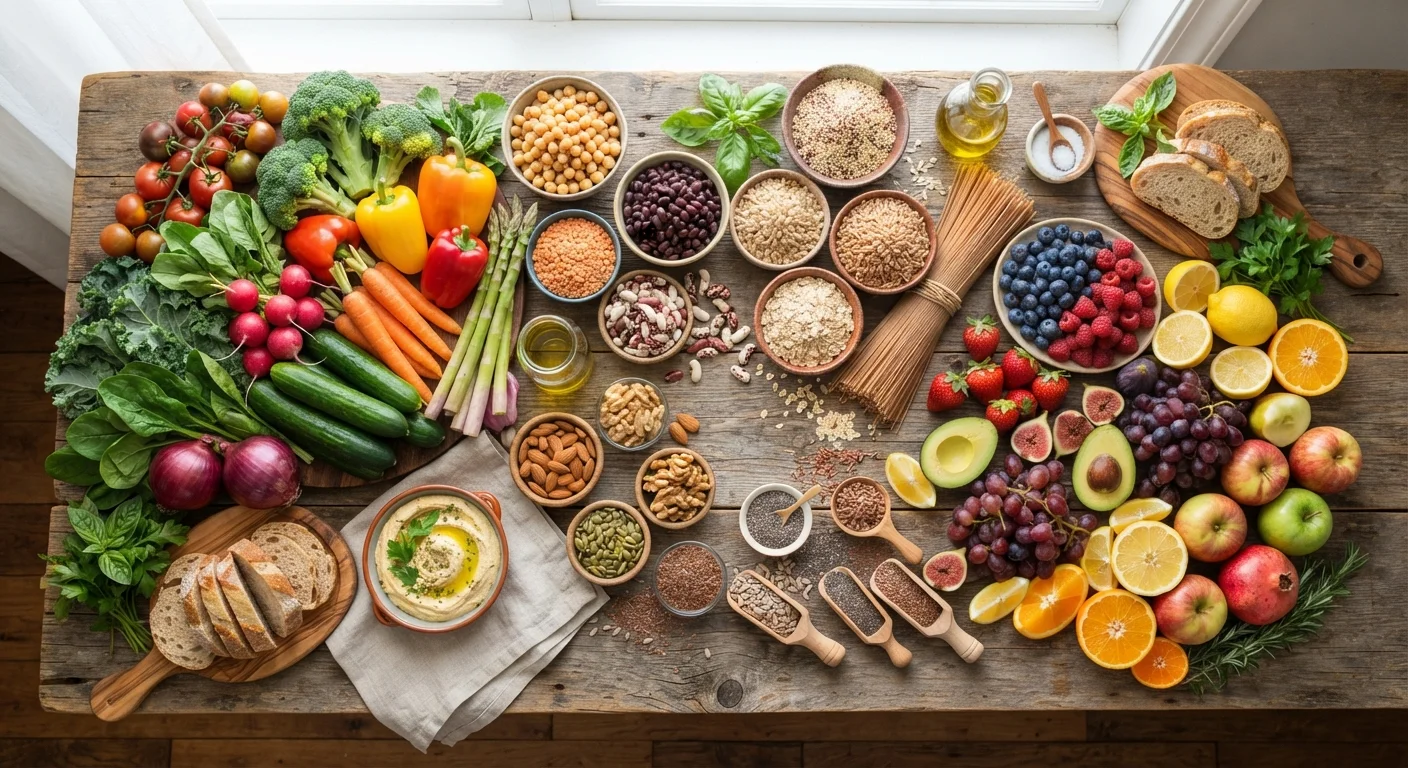
Photo credit: TrendingExperts.net
In this article
"Plant-based" means different things to different people. This explainer sorts out the definitions and what research actually supports.
Key Takeaways
- "Plant-based" is an umbrella term, not a single defined diet - it ranges from mostly plants to fully vegan.
- Strong evidence links higher intake of whole plant foods to reduced risk of several chronic diseases.
- Plant-based eating can be nutritionally complete, but certain nutrients require deliberate planning or supplementation.
- Processed foods marketed as plant-based are not automatically healthier than whole-food alternatives.
- No single eating pattern fits everyone - individual health needs, preferences, and access all matter.
What 'Plant-Based' Actually Means
Walk through any grocery store and you'll see "plant-based" on everything from burger patties to protein powders. The phrase sounds clear - but in nutrition circles, it describes a broad category rather than a single, standardized diet.
At its core, a plant-based eating pattern centers the majority of food choices on foods that come from plants: vegetables, fruits, whole grains, legumes, nuts, and seeds. What it does not automatically specify is whether animal products are allowed at all, or in what quantities.
Plant-based diet
An eating pattern in which the majority of foods come from plants such as vegetables, fruits, grains, and legumes. The term does not automatically mean vegan or vegetarian.
Whole food
A food that is minimally processed and close to its natural state - like an apple, a cup of lentils, or a handful of walnuts - as opposed to a highly refined or manufactured product.
Phytochemicals
Natural compounds found in plants that may have health-protective effects in the body. Examples include flavonoids in berries and lycopene in tomatoes.
Non-heme iron
The form of iron found in plant foods and eggs, which is absorbed less efficiently by the body than heme iron found in meat and fish.
Observational study
A type of research that tracks what people eat and what health outcomes they experience over time, without assigning them to a specific diet. It can show associations but cannot prove cause and effect.
Flexitarian
A mostly plant-based eater who occasionally includes meat or other animal products, without following a strict exclusionary rule.
This matters because the evidence base often distinguishes between very different patterns all sheltering under the same label. Understanding that distinction helps you evaluate health claims more critically - and it's why resources like reading between the lines on food marketing are worth your time when navigating the grocery aisle.
The Spectrum: From Flexitarian to Vegan
Plant-based eating exists on a continuum. Here are the most commonly used patterns, from least to most restrictive:
- Flexitarian: Primarily plant foods, with occasional meat, poultry, or seafood. No strict rules - it's defined by emphasis, not exclusion.
- Pescatarian: Plant foods plus fish and seafood, but no land-animal meat.
- Vegetarian (lacto-ovo): No meat or fish, but dairy and eggs are included.
- Vegan: No animal products whatsoever - no meat, fish, dairy, or eggs.
Most research on plant-based diets and health outcomes studies one or more of these specific patterns. When a headline says "plant-based diets reduce disease risk," it's worth asking which pattern was actually studied, in whom, and for how long. This nuance is central to eating patterns that research consistently supports.
What the Research Actually Shows
The evidence in favor of whole-food plant-based eating is substantial - though not without limits. Here's what repeated, large-scale research supports:
- Cardiovascular health: Diets high in vegetables, legumes, whole grains, and nuts are associated with lower LDL cholesterol and reduced blood pressure in multiple observational studies and clinical trials.
- Type 2 diabetes risk: Higher intake of fiber-rich plant foods is linked to improved insulin sensitivity and lower diabetes incidence. The mechanism is partly explained by fiber's role in slowing glucose absorption.
- Body weight: People eating predominantly whole plant foods tend to have lower average body mass index (BMI), though diet quality, calorie intake, and overall lifestyle all play roles.
- Certain cancers: High consumption of red and processed meats is classified as a probable or confirmed risk factor for colorectal cancer by major health agencies. Diets rich in fiber and phytochemicals may offer some protective effect, though this area of research is still developing.
Focus on Food Quality, Not Just Category
The strongest health associations in plant-based research are tied to whole, minimally processed plant foods - not to plant-derived products in general. When evaluating any food, consider how close it is to its original form. A bowl of lentils and a bag of heavily seasoned plant-based chips are very different nutritionally, even if both qualify as 'plant-based.'
It's important to note that most of this evidence comes from observational studies, which can identify associations but cannot prove that eating more plants causes better health outcomes. Genetics, activity level, socioeconomic factors, and overall diet quality all interact. For a grounding in how individual nutrients function, see our explainer on what each macronutrient actually does.
Nutritional Gaps Worth Knowing About
A well-planned plant-based diet can meet most nutritional needs - but certain nutrients deserve deliberate attention, particularly for those following a fully vegan pattern.
- Vitamin B12
- Found almost exclusively in animal products. Vegans are at real risk of deficiency without supplementation or fortified foods.
- Long-chain omega-3s (EPA and DHA)
- Fatty fish is the richest source. Plant foods provide ALA (found in flaxseed, chia, walnuts), but conversion to EPA and DHA in the body is limited. Algae-based supplements are an established alternative.
- Iron and zinc
- Plant foods contain non-heme iron, which is less readily absorbed than heme iron from meat. Eating vitamin C-rich foods alongside iron-rich plant foods can enhance absorption.
- Calcium and vitamin D
- Dairy is a common calcium source, so those avoiding it need reliable alternatives - fortified plant milks, tofu made with calcium sulfate, leafy greens. Vitamin D is difficult to obtain from diet alone regardless of eating pattern.
Understanding how to read food labels - including nutrient content claims - is genuinely useful here. Our guide on what nutrition labels are actually telling you walks through how to use that information effectively.
This article provides general nutrition information and is not a substitute for personalized medical or dietary advice. Consult a registered dietitian or qualified healthcare provider before making significant changes to your diet, particularly if you have existing health conditions.
Common Misconceptions
A few persistent myths complicate public understanding of plant-based eating:
- "Plant-based" means low-calorie or automatically weight-friendly. Nuts, oils, avocado, and whole grains are all plant-based and energy-dense. Portion and overall intake still matter.
- Processed plant-based products are health foods. Many packaged plant-based alternatives are high in sodium, saturated fat from tropical oils, and refined starches. Always check the label rather than relying on front-of-pack claims - a habit our guide on healthy food marketing can help you build.
- Going fully vegan is the only meaningful choice. Research consistently shows that even a moderate shift toward more whole plant foods - without eliminating animal products entirely - can be associated with improved health markers. Perfection isn't the benchmark.
- Plant-based diets are inherently restrictive or difficult. Some find the shift straightforward; others find it challenging. Evidence on why restrictive diets often backfire suggests that sustainability depends heavily on how well a pattern fits individual preferences and circumstances.
The bottom line: plant-based eating is a meaningful framework supported by real evidence - but like any dietary approach, the details matter far more than the label.
Frequently Asked Questions

Author
Health Editorial Team
Health Editorial Team is the collective byline for our editorial team and contributor network. Articles published under this byline or an editorial pen name are researched, written, and reviewed according to our editorial standards for clarity, consistency, and independence before publication.
View all articles →