
Misreading the Lyrics: When Pop Songs Get Misunderstood by Culture at Large
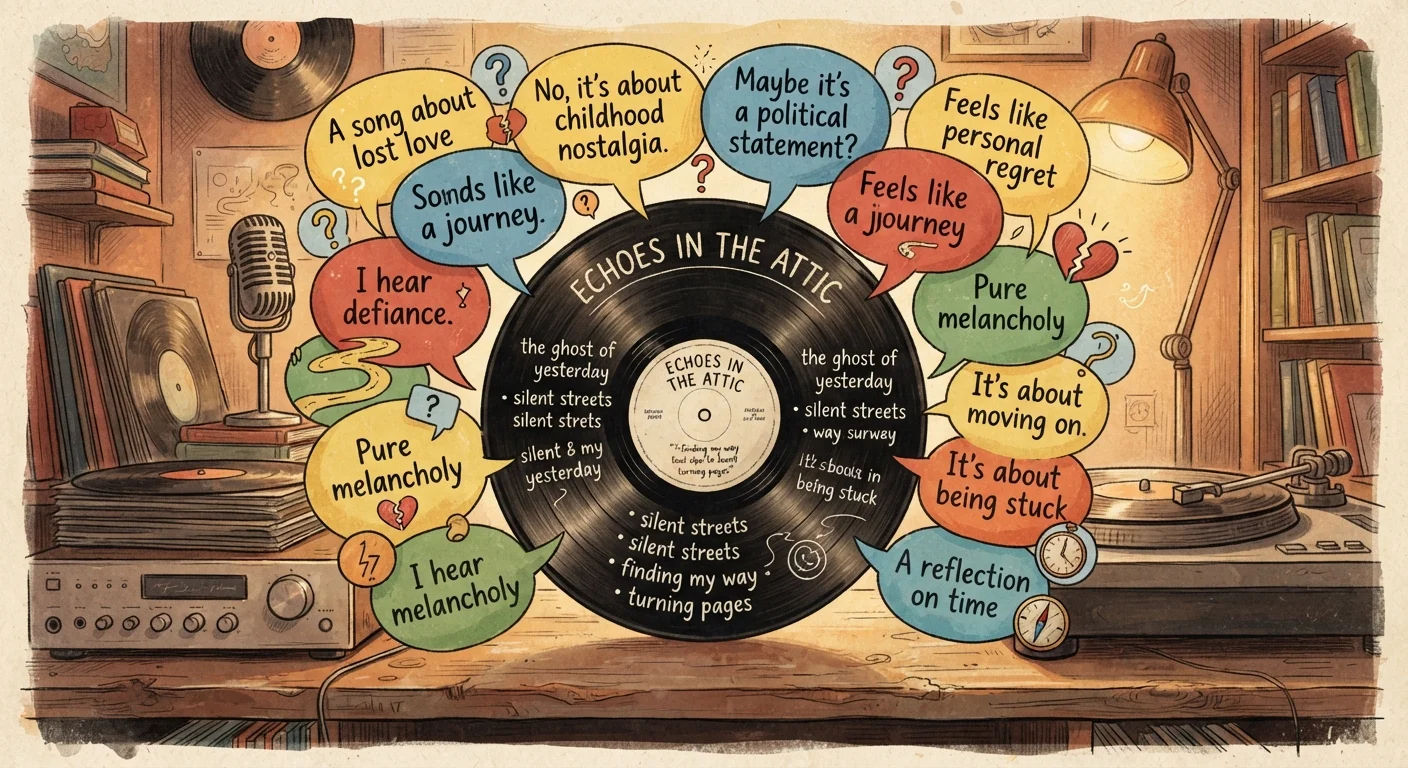
Photo credit: TrendingExperts.net
In this article
Some of the most famous songs in American history were widely misread on release. Explore how misinterpretation shapes a song's cultural life.
Key Takeaways
- Many iconic pop songs were publicly misread because listeners stripped lyrics from their narrative context.
- Surface-level hooks and radio edits often obscure darker or more ironic meanings hidden in a song.
- Artists rarely control how culture absorbs their work once it enters the public imagination.
- Slowing down and engaging with full albums or lyric sheets dramatically reduces misinterpretation.
- Misreading a song doesn't diminish its power, but understanding it deepens the experience.
Why Pop Songs Get Lost in Translation
American pop music has always had a gap between what artists intend and what audiences absorb. That gap isn't a bug - it's partly what makes songs live on for generations, accumulating new meanings as cultures shift. But when misreadings harden into conventional wisdom, they can flatten a song's complexity and sometimes embarrass the people playing it loudest.
The mechanisms behind misinterpretation are surprisingly consistent across eras and genres. Understanding them turns you into a sharper, more generous listener - and a more interesting person to talk music with at any gathering. Great songs don't become cultural touchstones in a vacuum: social context can amplify the wrong reading just as powerfully as the right one.
Intent Isn't Always the Final Word
Even when artists speak publicly about a song's meaning, audiences often resist. Bruce Springsteen has repeatedly clarified that 'Born in the U.S.A.' is a critique of how Vietnam veterans were treated - not a patriotic anthem. Yet it has been used in political rallies as celebratory Americana for decades. Understanding why this happens is as important as correcting the record.
The Most Common Misreading Mistakes - and How to Dodge Them
Whether you're a casual listener or a devoted fan, certain habits consistently lead people astray when engaging with song lyrics. The good news: each one is correctable once you know what to watch for.
Treating the chorus as the whole song's thesis.
Why it happens: Radio formats and streaming previews are built around the hook. Most casual listeners never make it past the chorus - so they assume that repeated line is the song's full message.
Projecting personal emotion onto lyrics without checking the songwriter's frame.
Why it happens: Music is emotionally activating, and listeners instinctively map their own experiences onto vague or universal-sounding lines. This is natural - but it can lead to wholesale misreadings.
Assuming upbeat music always carries an upbeat message.
Why it happens: People are wired to respond to tempo and major-key production before processing words. A bright, danceable arrangement trains the brain to expect positive content.
Ignoring the speaker - confusing the narrator with the artist.
Why it happens: Pop's first-person voice creates an intimacy that feels autobiographical, even when the songwriter is deliberately inhabiting a character or an antagonist's point of view.
Letting cultural or political branding override the actual lyrics.
Why it happens: Once a song gets attached to a movement, brand, or public figure, that association calcifies. New listeners encounter the cultural label before they ever hear the music critically.
Viral Clips Often Strip Context
Short-form video platforms frequently surface a song's most quotable or danceable ten seconds, cutting away verses that completely reframe the meaning. If your only exposure to a track is a trending audio clip, there's a good chance you're working with an incomplete picture. Seek out the full song - and ideally the album it lives on - before forming strong opinions about what it's saying.
Developing awareness of these patterns transforms how you engage with music across every genre. It's also worth noting that cross-cultural misreading adds another layer of complexity - as K-pop, Afrobeats, and Latin music rewired American ears, lyrics translated or consumed without cultural context face even higher misreading risk.
61%
Listeners who admit to mishearing lyrics regularly
According to a YouGov survey, a majority of music fans acknowledge they frequently mishear or misinterpret song lyrics without realizing it.
1984
Year 'Born in the U.S.A.' was misappropriated in a presidential campaign
Ronald Reagan's campaign referenced the Springsteen anthem without the artist's permission, illustrating how quickly political machinery can override artistic intent.

Author
Entertainment Editorial Team
Entertainment Editorial Team is the collective byline for our editorial team and contributor network. Articles published under this byline or an editorial pen name are researched, written, and reviewed according to our editorial standards for clarity, consistency, and independence before publication.
View all articles →