
Why So Many Movies Skip Theaters and Go Straight to Streaming
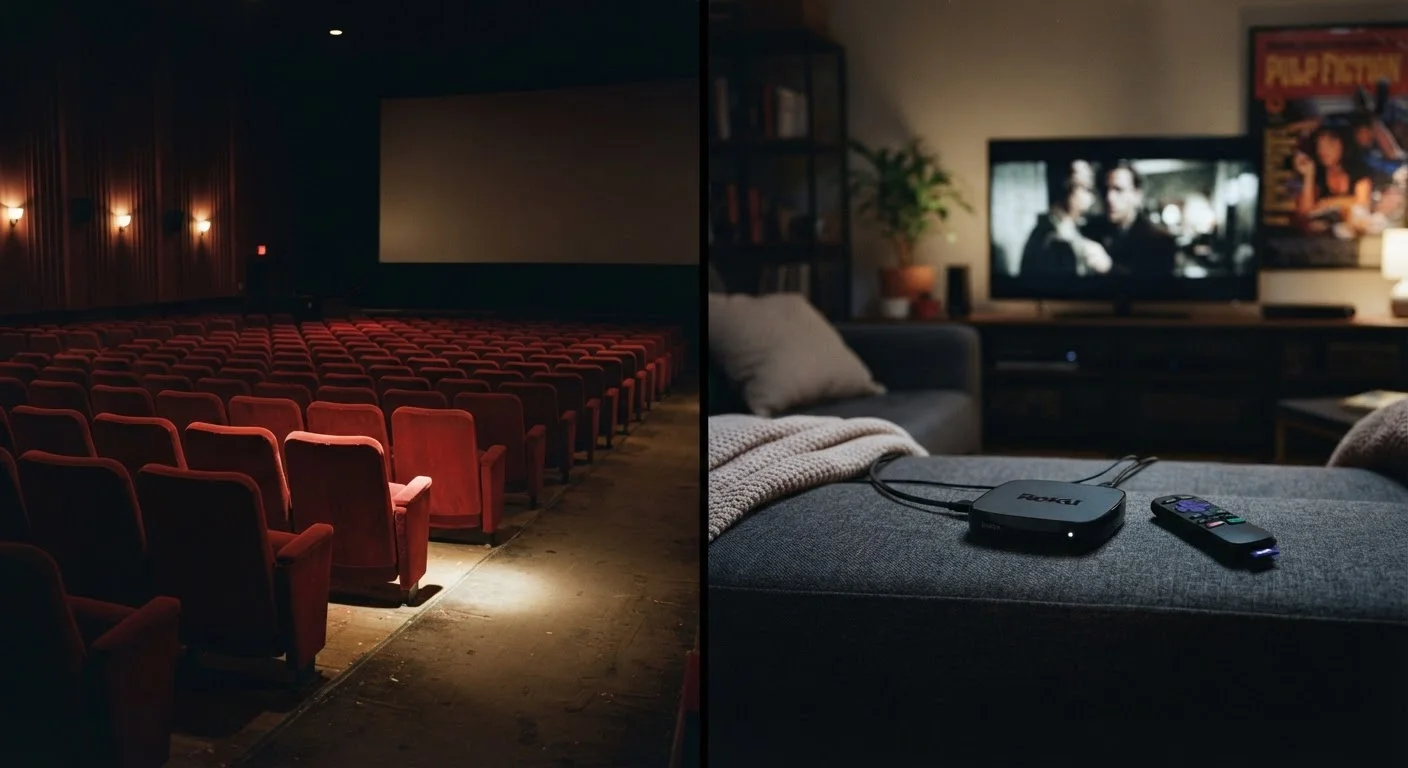
Photo credit: TrendingExperts.net
In this article
Theatrical releases aren't guaranteed anymore. Explore the business and creative reasons studios choose to debut films directly on streaming platforms.
Key Takeaways
- Studios weigh cost, audience size, and subscriber growth when deciding whether to release a film theatrically or on streaming.
- Marketing a theatrical release can cost as much as or more than producing the film itself.
- Streaming platforms use exclusive films to attract and retain paying subscribers.
- Not every movie has the blockbuster profile needed to justify a wide theatrical campaign.
- The pandemic accelerated streaming debuts, but the trend had already been building for years.
- Theatrical exclusivity windows - the period before home viewing - have shortened significantly across the industry.
The Business Case for Skipping Theaters
The decision to send a film straight to streaming is rarely a creative one - it's almost always financial. Releasing a movie theatrically is expensive far beyond production costs. Studios routinely spend $100 million or more marketing a wide theatrical release, covering advertising, promotional tours, and distribution logistics. For a mid-budget drama or a niche comedy, those numbers simply don't add up when projected box office returns are uncertain.
Streaming platforms, by contrast, measure success differently. They're not tracking opening weekend ticket sales - they're watching subscriber counts, engagement hours, and how long viewers stick around after a film premieres. A movie that draws a million new sign-ups or keeps existing subscribers from canceling delivers measurable value even if it never plays on a single screen.
45 days
Common theatrical window at major studios post-pandemic
Many major Hollywood studios renegotiated exclusivity windows from the traditional 90 days down to 45 days or fewer following the pandemic period.
$100M+
Typical marketing spend for a wide theatrical release
Industry analysts and studio executives have widely reported that marketing costs for a major wide release can equal or exceed a film's production budget.
200M+
Global subscribers on leading streaming platforms
The largest streaming services report subscriber bases in the hundreds of millions, giving straight-to-streaming titles an immediate potential global audience.
This is why you'll often see prestige dramas, genre films with dedicated but limited audiences, and foreign-language productions land on streaming first. Their potential value to a platform's library is clear, even if their theatrical ceiling is not. Understanding how streaming content licensing works helps explain why platforms invest so heavily in owning exclusive titles outright.
How the Pandemic Rewrote the Rules
The COVID-19 pandemic didn't invent straight-to-streaming releases, but it absolutely normalized them at scale. When theaters closed in 2020, studios faced a stark choice: delay films indefinitely or find another way to reach audiences. Many chose streaming, and audiences adapted quickly. When theaters reopened, studios discovered that subscribers had developed new habits - and expectations.
The theatrical exclusivity window, once a near-sacred 90-day standard, was renegotiated industry-wide during this period. Many major studios moved to windows of 45 days or fewer. Some films experimented with simultaneous theatrical and streaming debuts. The genie, as they say, was out of the bottle.
A mid-budget psychological thriller with a strong cast but no built-in franchise audience debuts directly on a major streaming platform.
An acclaimed foreign-language drama wins the Palme d'Or at Cannes and is acquired by a streaming platform for global distribution.
During the 2020 theater closures, a major animated family film is released directly to a streaming service for a rental fee.
The pandemic experience also gave studios real data on what audiences would watch at home versus in theaters. That data now informs release decisions in ways that weren't possible before 2020. Just as music streaming reshaped how albums reach listeners, video streaming has fundamentally altered the release calculus for film.
What Streaming Debuts Mean for Film Discovery
One underappreciated effect of the straight-to-streaming model is what it does for film discovery. A movie released theatrically in limited markets may reach tens of thousands of viewers in its first weekend. The same film dropped on a platform with 200 million subscribers is instantly accessible to a global audience. For independent filmmakers and international productions, this is genuinely transformative.
There's a trade-off, though. Without the theatrical experience - the communal opening-night energy, the critical conversation sparked by a wide release - some films struggle to cut through streaming libraries that are increasingly crowded. If you've ever felt overwhelmed choosing what to watch, you're not alone; finding your next watch in an oversaturated streaming landscape is a genuine modern challenge.
Films that build genuine buzz at festivals - the kinds of titles explored in our look at festival favorites that made it to mainstream audiences - often benefit from a theatrical moment that streaming alone can't fully replicate. The theatrical run, even a brief one, creates cultural conversation that algorithms can amplify but rarely manufacture from scratch.
What This Shift Means for Audiences
For everyday viewers, the practical upshot is more choice and more flexibility. Films that might never have been greenlit for a costly theatrical rollout are now being made and distributed directly to home screens. Documentaries, intimate character studies, and experimental genre films have found new life under this model.
The downside is that the theatrical experience itself becomes rarer and more precious. When everything is available immediately at home, the act of going to a cinema carries a different cultural weight - reserved increasingly for spectacles and shared events. Neither outcome is inherently good or bad; the entertainment landscape is simply evolving, driven by platform economics, audience behavior, and the ongoing negotiation between studios, streamers, and theaters about who gets what, and when.
Frequently Asked Questions

Author
Entertainment Editorial Team
Entertainment Editorial Team is the collective byline for our editorial team and contributor network. Articles published under this byline or an editorial pen name are researched, written, and reviewed according to our editorial standards for clarity, consistency, and independence before publication.
View all articles →