
Streaming Services Explained: How Content Licensing Actually Works
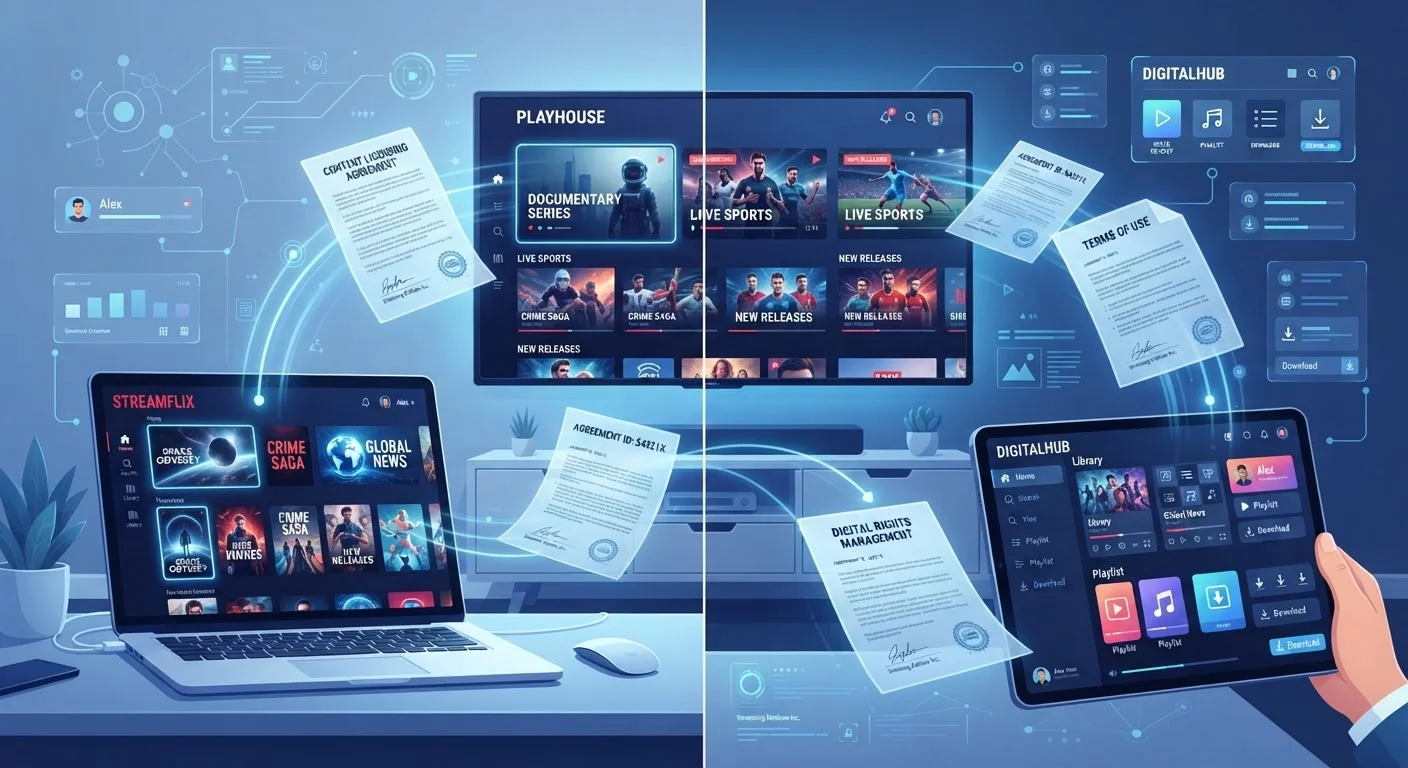
Photo credit: TrendingExperts.net
In this article
Ever wonder why a show disappears from one platform and pops up on another? Here's how streaming content licensing really works.
Key Takeaways
- Streaming platforms rent most content through time-limited licenses rather than owning it outright.
- When a show disappears from a service, it usually means the license expired - not that it was deleted.
- Exclusive licensing deals are a key competitive strategy for major streaming platforms.
- Studios increasingly favor their own streaming services to maximize revenue from their own libraries.
- Geographic rights mean a show available in the U.S. may be unavailable in other countries on the same platform.
The Rental Model Behind Every Stream
When you hit play on a movie or TV show, it feels seamless - like the content is just there. But behind that simple experience is a web of contracts, negotiations, and expiration dates that shape what you can watch and where.
Streaming platforms operate largely on a rental model for licensed content. Rather than purchasing films or shows outright, they pay rights holders - studios, production companies, distributors - for permission to stream their content during a defined window. Think of it like a long-term lease: the platform gets access, but the studio keeps the keys.
The terms of these agreements vary widely. A license might run one year or five. It might be exclusive to one platform or non-exclusive, meaning multiple services can carry the same title simultaneously. Rights can also be divided by format - a studio might license streaming rights to one company while retaining broadcast TV rights for another.
~50%
Of Netflix's library is licensed (not original) content
Industry analysts have consistently estimated that roughly half of major streaming libraries consists of licensed third-party content, though the share of originals is growing.
1-5 years
Typical length of a streaming content license
Content licensing windows vary widely by title and negotiation, with major properties often commanding multi-year exclusive agreements.
100+
Countries with distinct streaming rights territories
Rights holders negotiate territory-by-territory deals, meaning a single title can have dozens of separate licensing arrangements across global markets.
This is exactly why the same film can appear on three different platforms at once - or vanish from all of them the same week. It all comes down to who holds the current agreement and when it ends. For a deeper look at how viewer metrics factor into these decisions, see our article on TV ratings and streaming numbers.
Exclusive Deals: The Arms Race for Content
Exclusivity is where content licensing gets truly competitive. When a platform secures exclusive rights to a popular title, it removes that content from every competitor's library for the duration of the deal. This is a major reason why streaming services have proliferated so aggressively - each one is trying to build a library no one else can replicate.
Exclusive deals come in two main forms. First-run exclusives give a platform rights to new content before anyone else. Library exclusives lock up older films or completed TV series, preventing rivals from adding them even if those titles have been available elsewhere for years.
A beloved sitcom runs on one streaming platform for three years, then abruptly vanishes - only to reappear on a competitor's service the following month.
A studio launches its own streaming service and pulls its entire film catalog from other platforms, making those titles exclusive to its own app.
A user in the U.S. searches for a critically acclaimed foreign series on their streaming app but finds it unavailable, despite friends in another country watching it on the same service.
The price of exclusivity can be steep. Studios know their leverage and negotiate accordingly - especially for proven hits or beloved franchises. This dynamic has contributed to major studios launching their own direct-to-consumer streaming platforms rather than licensing their best content to third parties. Understanding why some films skip theaters entirely and land directly on these platforms is its own fascinating story - explore why studios choose streaming-first releases.
The Geography of Rights: Why Borders Still Matter Online
One of the most surprising aspects of content licensing is how thoroughly geography still controls what you can watch. Despite the internet feeling borderless, streaming rights are negotiated country by country - and sometimes region by region within a country.
A studio might sell North American streaming rights to one platform and European rights to an entirely different one. That's why a show prominently featured on a U.S. streaming service might be completely unavailable to users in another country on the same app - or available there through a competitor.
These territorial splits reflect the reality that media rights have historically been sold market by market. Long before streaming existed, studios licensed broadcast rights to local TV networks in each country. Those legacy relationships - and the contracts attached to them - don't simply evaporate when a studio wants to go global digitally.
VPNs and Regional Licensing
Some viewers use VPNs (virtual private networks) to access streaming content available in other regions. However, this practice typically violates streaming platforms' terms of service, and rights holders actively work to prevent it. It's worth understanding that geo-restrictions aren't arbitrary gatekeeping - they reflect legally binding licensing agreements between studios and regional distributors.
For viewers, this can feel arbitrary and frustrating. For rights holders, it represents decades of carefully structured revenue streams that won't be restructured overnight. The same layered logic applies to how show cancellations work - licensing costs and viewership data intersect in complex ways, as our piece on how TV cancellations are decided explains.
Originals vs. Licensed Content: A Shifting Balance
Streaming platforms have responded to the volatility of licensing by investing heavily in original content - shows and films they fund, produce, and own outright. Owning content eliminates the risk of a license expiring and the content walking out the door to a competitor.
Originals also serve as subscriber magnets. When a platform's exclusive original becomes a cultural phenomenon, it can drive sign-ups in ways licensed content - which audiences can often find elsewhere - simply cannot. This is a core reason platforms have poured enormous resources into original production over the past decade.
That said, licensed content remains crucial for filling out libraries and serving the broad range of tastes subscribers expect. A platform with only originals might feel narrow; a mix keeps the catalog rich and the monthly subscription feeling justified.
The balance between owned and licensed content is something every major platform manages differently - and it's constantly shifting as deals expire, catalogs consolidate, and studios reassess where their content performs best. If you're ever left wondering what to watch after navigating these constantly changing libraries, finding your next watch when streaming feels overwhelming has practical guidance for cutting through the noise.
Frequently Asked Questions

Author
Entertainment Editorial Team
Entertainment Editorial Team is the collective byline for our editorial team and contributor network. Articles published under this byline or an editorial pen name are researched, written, and reviewed according to our editorial standards for clarity, consistency, and independence before publication.
View all articles →