
Genre Blending in Modern TV: When a Show Refuses to Fit One Category
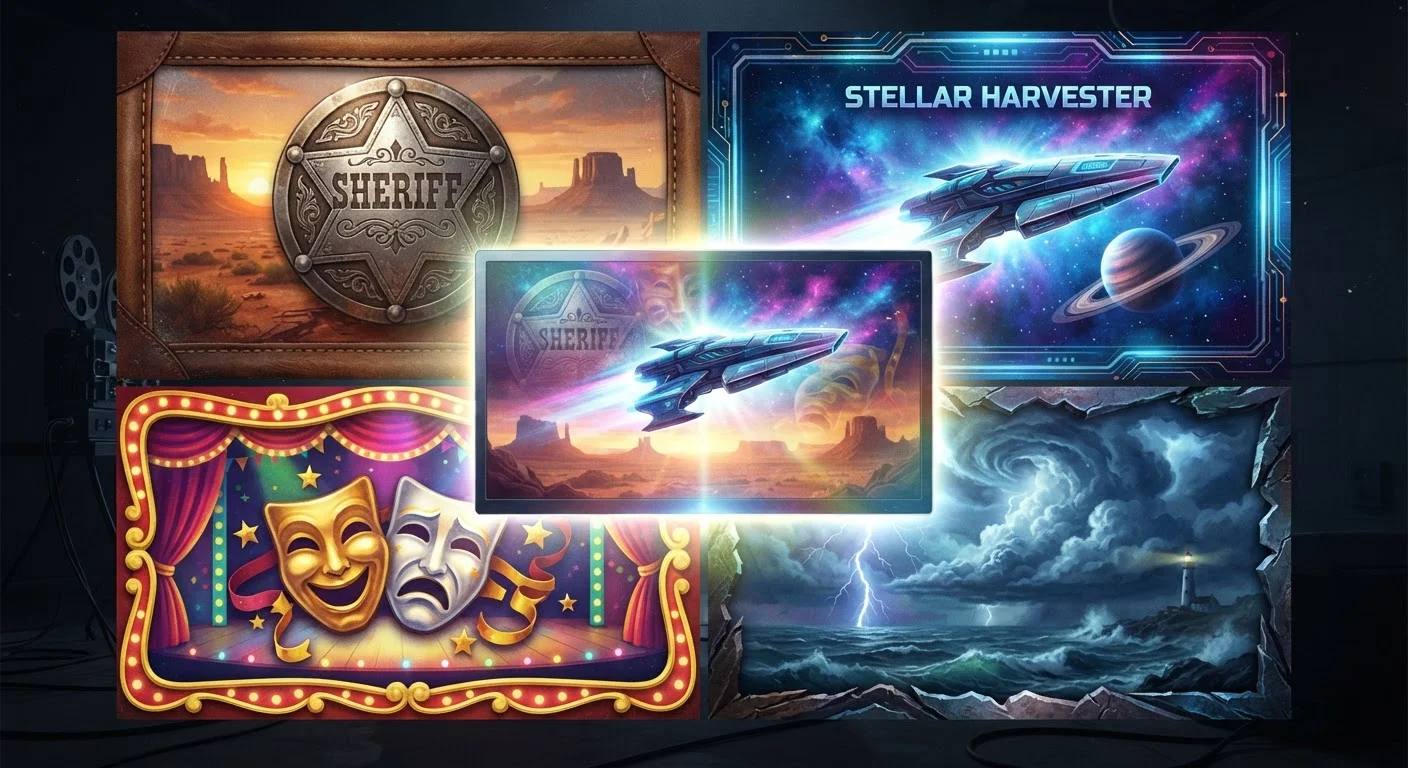
Photo credit: TrendingExperts.net
In this article
Comedy-dramas, horror-thrillers, sci-fi westerns—hybrid genres are everywhere now. Explore why creators blend genres and what it means for viewers.
Key Takeaways
- Genre blending combines elements from two or more storytelling categories into a single TV show.
- Streaming platforms have accelerated genre experimentation by reducing pressure to fit traditional broadcast categories.
- Hybrid shows can attract broader, more diverse audiences by appealing to multiple genre fandoms at once.
- Critics and award bodies have struggled to classify genre-blending shows, sometimes creating new categories for them.
- Audiences often find hybrid shows more emotionally resonant because they mirror the complexity of real life.
What Genre Blending Actually Looks Like on Screen
Picture a show where a grieving father investigates supernatural murders - but half the scenes land jokes that actually land. Or a space opera set in the dusty logic of an old frontier town. These aren't experiments that went sideways; they're intentional creative choices that define some of the most talked-about TV of the past decade.
Genre blending works by borrowing the emotional toolkit from multiple traditions simultaneously. A horror-comedy doesn't just add a few laughs to a scary plot - it uses humor to create unexpected vulnerability, and dread to give comedy real stakes. The interaction between genres is what generates the distinctive texture these shows are known for.
Just as music genre lines have been dissolving - something explored in our piece on what a music genre really is - television's categories are being renegotiated in real time by creators and audiences alike.
Genre Labels Still Have Value
Even as genre lines blur, labels remain useful shorthand for setting audience expectations and organizing discovery on platforms. The key is recognizing them as starting points rather than complete descriptions. A show tagged 'drama' might carry as many laughs as one tagged 'comedy' - and knowing that helps you navigate the library with open expectations rather than false certainty.
Why Creators Are Leaning Into Hybrid Storytelling
The clearest driver of genre blending is creative freedom unlocked by streaming. Broadcast television historically sorted shows by genre because networks needed predictable scheduling blocks and advertisers needed consistent audience demographics. Streaming platforms largely removed those constraints, giving showrunners room to pitch concepts that wouldn't have survived a traditional network development process.
There's also a storytelling logic to it. Real human experience doesn't follow a single emotional register - tragedy interrupts joy, absurdity invades grief. Writers who want to honestly portray complex emotional situations often find that a single genre's conventions are too limiting. Genre blending becomes a way to chase authenticity rather than just novelty.
70%+
U.S. adults who subscribe to at least one streaming service
According to Pew Research Center data from 2023, the majority of American adults now access content through streaming, the primary distribution channel for genre-blending originals.
3x
Growth in hybrid genre titles on major platforms
Industry analysts at Ampere Analysis noted significant growth in drama-comedy hybrids among streamer original commissions between 2018 and 2023.
60%
Emmy drama nominees with comedic elements (recent seasons)
Television critics and awards observers have noted that a substantial share of recent Emmy drama contenders deliberately incorporate sustained comedic tones alongside dramatic storylines.
Understanding how these shows reach audiences in the first place connects to the broader business of content distribution - our explainer on how streaming content licensing actually works sheds light on the ecosystem that makes this experimentation possible.
The Audience Experience: Why It Resonates
Viewers drawn to genre-blending shows often describe them as harder to quit. Part of that is tonal unpredictability - when you can't anticipate whether the next scene will devastate or delight you, attention stays high. Part of it is also the sense that a show is treating you as capable of holding contradictory feelings at the same time.
Hybrid shows also tend to attract overlapping fan communities. A sci-fi western draws both genre enthusiasts, who cross-pollinate enthusiasm online and sustain the conversation long after episodes air. That cross-audience energy can give a show cultural staying power beyond what its raw ratings might suggest.
“The best television today doesn't ask permission from genre. It borrows what it needs from everywhere, and that's exactly why it stays with you.”
— Emily Nussbaum, Pulitzer Prize-winning television critic and author of 'I Like to Watch'
The format of a show also shapes how genre blending lands emotionally - our breakdown of limited series versus ongoing TV shows explains how story length affects the room a creator has to blend and evolve genre conventions.
How Genre Blending Challenges Categories - And Why That Matters
Genre labels do real work: they set expectations, guide recommendations, shape marketing, and determine how critics evaluate a show's success. When a series defies categorization, every part of that system has to adapt.
Awards bodies face this acutely. A show that is genuinely both a comedy and a drama must pick a lane for competition purposes - a choice that can affect its visibility and perceived legitimacy. Some shows have responded by entering the drama category and leaning into prestige framing; others have embraced the comedy label even when their subject matter is devastatingly serious.
For viewers, the practical upside is a more honest entertainment landscape. Genre-blending shows push platforms to develop richer tagging systems that describe tone, mood, and theme rather than relying solely on inherited category names. The viewer who knows they want something funny-but-emotional, or thrilling-but-grounded, stands to benefit from that evolution.
A show about a hitman who enrolls in an acting class navigates between dark crime thriller and sharp workplace comedy, treating both tones with equal seriousness.
A space-set western follows a lone gunfighter and his small ward across an outer-rim frontier, using the visual and narrative grammar of classic westerns transplanted into a sci-fi setting.
A British comedy-drama about grief follows a widower navigating life after loss with dark humor and unexpected tenderness in equal measure.
A horror anthology series presents each episode as both a terrifying supernatural story and a social allegory, drawing equally from literary horror and pointed cultural commentary.
Frequently Asked Questions

Author
Entertainment Editorial Team
Entertainment Editorial Team is the collective byline for our editorial team and contributor network. Articles published under this byline or an editorial pen name are researched, written, and reviewed according to our editorial standards for clarity, consistency, and independence before publication.
View all articles →