
Limited Series vs. Ongoing TV Shows: How Format Shapes the Story
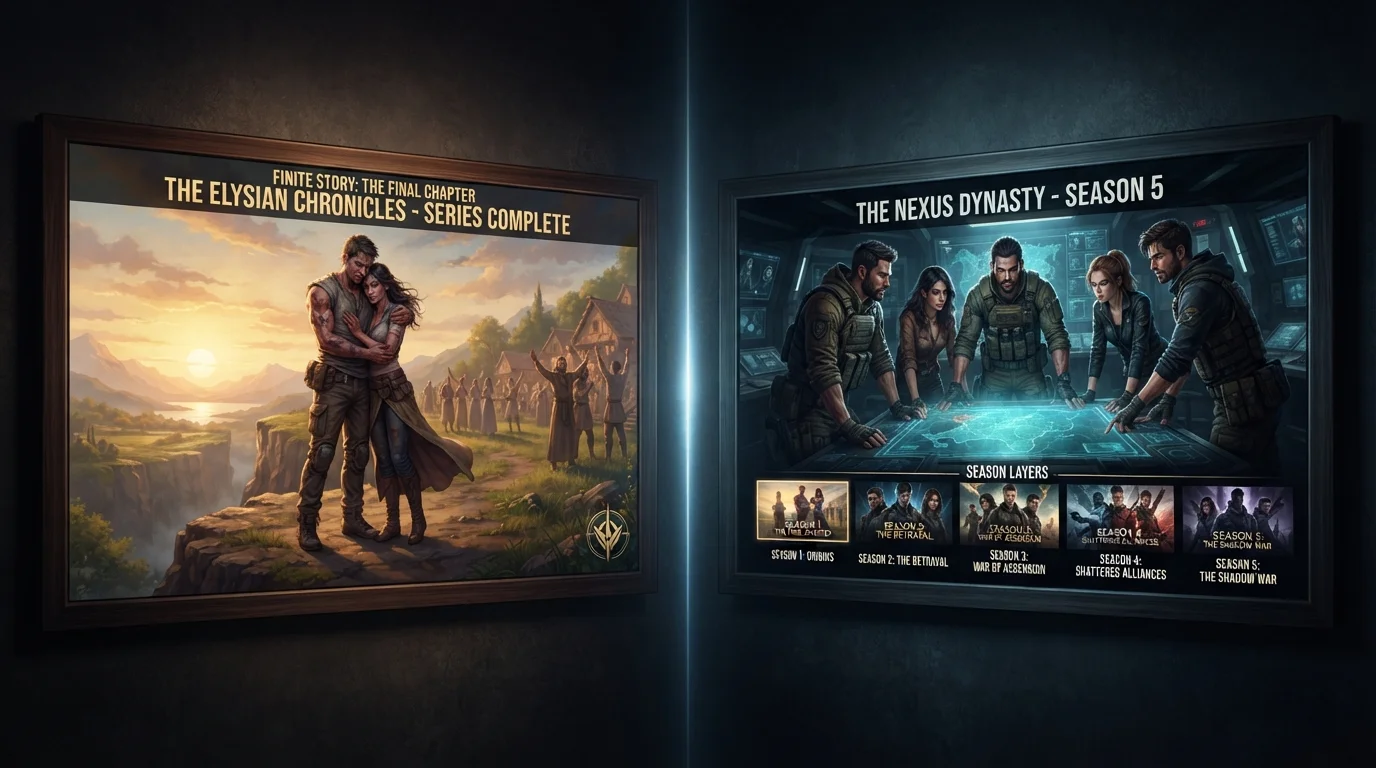
Photo credit: TrendingExperts.net
In this article
A limited series tells a complete story in one run, while ongoing shows evolve over seasons. See how format decisions affect pacing, character, and endings.
Key Takeaways
- Limited series are designed to tell one complete story without renewal pressure affecting the ending.
- Ongoing shows can deepen characters and expand their world over many seasons, but risk narrative fatigue.
- Format is a deliberate creative and business decision that shapes pacing, casting, and audience investment.
- Limited series have surged in prestige, winning major Emmy categories alongside traditional multi-season dramas.
- Cancellation risk is a real factor for ongoing shows - limited series sidestep this entirely.
What Separates These Two Formats?
At their core, a limited series - sometimes called a miniseries - is a scripted television production with a predetermined episode count and a story designed to conclude within that run. Think of it as a novel adapted to screen: it starts, it builds, it ends. An ongoing TV show, by contrast, is renewed season by season, with storylines expanding based on audience response, network decisions, and writer ambition.
This distinction matters more than it might seem. The format a production chooses - or is assigned by a network or streamer - fundamentally influences how writers structure plots, how directors pace episodes, and even how actors commit to roles. A limited series actor knows the full arc from audition day. An ongoing cast member may not know where their character lands for another three seasons.
Understanding these differences helps viewers make smarter choices about what to watch and why a particular show feels the way it does. For a deeper look at how content format affects platform strategy, check out how streaming content licensing works.
| Criterion | Limited Series | Ongoing TV Show |
|---|---|---|
| Episode count | Fixed, predetermined | Grows with each renewal |
| Story resolution | Guaranteed conclusion | Depends on renewal or cancellation |
| Narrative pacing | Tightly controlled end-to-end | Can vary season to season |
| Character development | Arc defined from the start | Evolves organically over years |
| A-list casting appeal | High - shorter commitment | Moderate - multi-year contracts |
| Awards consideration | Competes in Limited Series category | Competes in Drama or Comedy Series |
| Cancellation risk | None - story is complete | Real risk at any season |
| Long-term franchise value | Low to moderate | High if ratings sustain |
How Format Shapes Storytelling Craft
Limited series excel when a story has a tight, defined scope - a true crime investigation, a historical event, a single character's transformation. Because writers know the ending from day one, they can plant foreshadowing early, control pacing deliberately, and deliver a finale that honors everything that came before. Shows like Chernobyl (HBO, 2019) demonstrated how the format can sustain cinematic ambition across five episodes with no narrative fat.
Ongoing shows operate on a different logic. The best multi-season series - think prestige dramas that run five to seven seasons - use extended time to do something limited series cannot: let viewers live with characters through gradual change. Friendships deepen. Villains evolve. Relationships earn their emotional payoffs across years, not episodes. The challenge is sustaining quality when renewal isn't guaranteed and writers must leave seasonal cliffhangers that may never be resolved. This tension between storytelling ambition and network reality is explored further in our piece on how TV cancellations are decided.
Genre also plays a role. Certain genres - psychological thrillers, true crime, single-event dramas - map naturally onto the limited format. Others, like ensemble workplace comedies or sprawling fantasy worlds, benefit from season-over-season expansion. Creators increasingly blur these lines, producing shows that blend genres alongside mixed format conventions. That creative experimentation is covered in depth in our article on genre blending in modern TV.
526
Scripted TV series produced in the U.S. in 2023
FX Networks research tracked a record-high volume of scripted series across broadcast, cable, and streaming platforms in 2023.
40%+
Share of Emmy Limited Series noms won by streaming
Since 2017, streaming platforms have consistently dominated Emmy nominations in the Limited Series categories, reflecting the format's prestige shift.
5-7 seasons
Typical run for a successful ongoing drama
Industry analysts note that the most commercially successful ongoing dramas tend to run between five and seven seasons before natural audience decline sets in.
The Business Logic Behind Format Choices
Format decisions aren't purely artistic - they're also commercial. Streamers and networks use limited series as prestige plays: high-profile talent, concentrated marketing, awards-season positioning. A limited series with a buzzy concept and a single-season commitment is an easier sell to A-list actors who don't want to sign a seven-year contract. It also limits financial exposure if the show underperforms.
Ongoing shows, when they hit, become franchises. Loyal audiences return season after season, driving subscription retention for streamers or consistent ratings for broadcast networks. The long-tail value of a show with 80+ episodes - in syndication, licensing, and international sales - dwarfs almost any limited series. Understanding this dynamic also sheds light on why some shows get adapted from one format to another, which connects to how content moves across platforms as covered in streaming content licensing.
For viewers, this means format carries a signal about intent. A limited series is a creative statement with a guaranteed conclusion. An ongoing show is a long-term relationship - rewarding if the creators sustain their vision, frustrating if the story drifts or ends abruptly. Neither format is inherently superior; they serve genuinely different storytelling purposes. The parallel to film is worth noting too - standalone films versus cinematic universes face almost identical creative and commercial tensions.

Author
Entertainment Editorial Team
Entertainment Editorial Team is the collective byline for our editorial team and contributor network. Articles published under this byline or an editorial pen name are researched, written, and reviewed according to our editorial standards for clarity, consistency, and independence before publication.
View all articles →