
Your First Real Grooming Routine, Built From Scratch
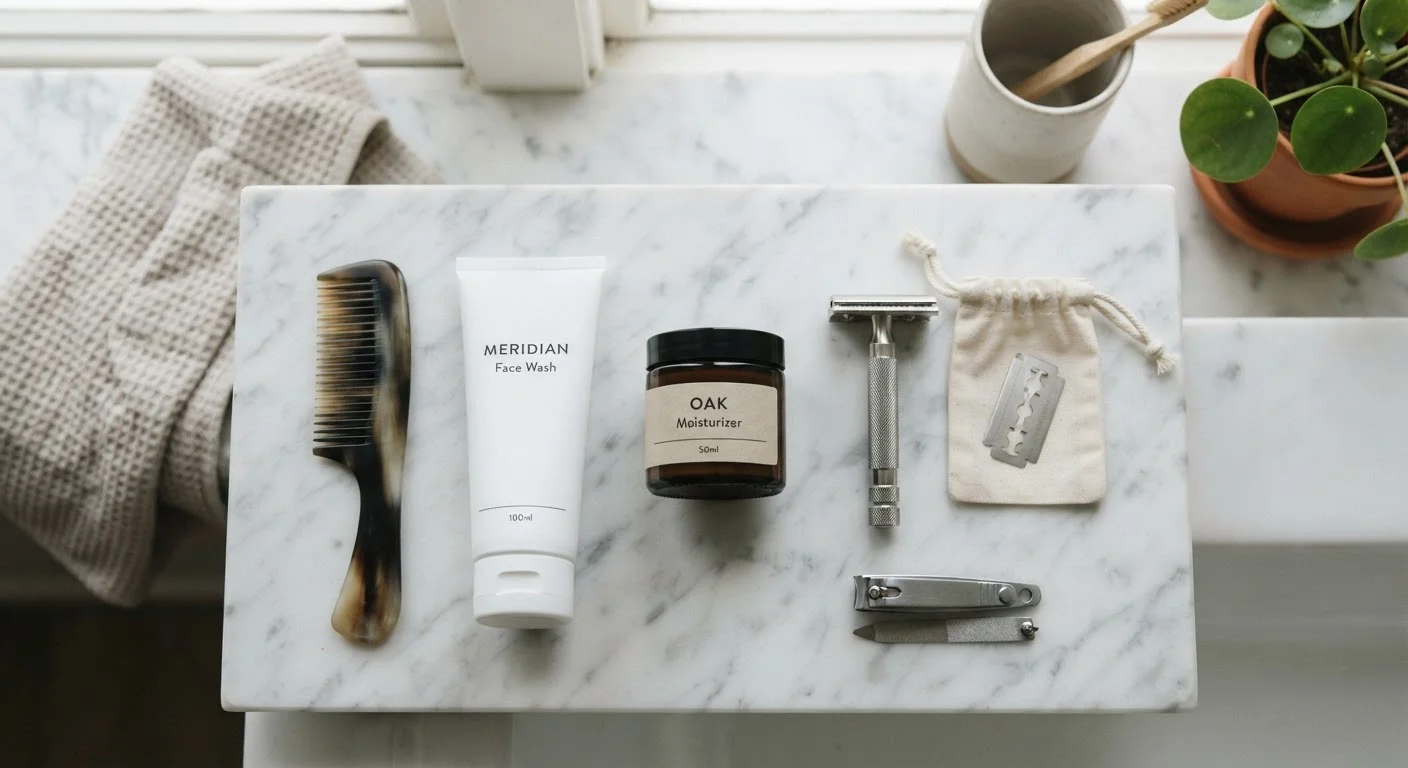
Photo credit: TrendingExperts.net
In this article
Starting from zero? This beginner-friendly guide walks through every grooming fundamental without overwhelming you with products or jargon.
Key Takeaways
- A grooming routine doesn't need to be complicated - consistency with a few basics outperforms an elaborate shelf of products.
- Skincare, hair, body hygiene, and nail care form the four core areas every beginner should address.
- Matching products to your skin and hair type matters more than brand name or price point.
- Morning and evening routines serve different purposes and can each be completed in under ten minutes.
- Small, repeatable habits established early tend to stick and pay off long-term.
What Grooming Actually Means
Grooming is simply the practice of maintaining your body's cleanliness, health, and appearance through consistent daily habits. It's not about vanity or perfection - it's about showing up for yourself in a way that supports your health and confidence. For anyone starting from scratch, the good news is that effective grooming is far simpler than social media and product marketing suggest.
At its core, a grooming routine answers four questions: How do I care for my skin? How do I care for my hair? How do I manage body hygiene? How do I keep small details - like nails - in order? Once you can answer those four questions consistently, you have a routine.
Cleanser
A wash designed to remove oil, dirt, and buildup from the skin or scalp without stripping its natural moisture barrier.
Moisturizer
A product that adds or retains water in the skin, helping to keep it soft, balanced, and protected from environmental stress.
Non-comedogenic
A term for products formulated to avoid clogging pores, which is especially useful for people prone to acne or breakouts.
Broad-spectrum SPF
A sunscreen rating that means the product protects against both UVA (aging) and UVB (burning) rays from the sun.
pH-balanced
A product formulated to match the skin's natural acidity level, which helps preserve the skin's protective outer layer.
Skin barrier
The outermost layer of skin that locks in moisture and keeps out irritants; harsh products or habits can weaken it over time.
The Four Pillars of a Basic Routine
Skin
Your skin is your largest organ and the foundation of any grooming routine. A basic approach involves cleansing to remove oil and debris, then moisturizing to maintain the skin's protective barrier. Adding a broad-spectrum SPF product during daylight hours is one of the highest-impact habits you can build. If you want to go deeper on layering skincare correctly, see our guide to building a skincare routine from scratch.
Hair
Hair care means keeping both your scalp and strands clean and manageable. Washing frequency depends on your hair type - fine or oily hair may need more frequent washing, while coarser or drier textures often do better with less. Conditioning helps maintain moisture balance. Beyond washing, consider how you want to manage facial hair, if applicable. Our beard care guide covers maintenance across every length of growth.
Body Hygiene
Daily showering or bathing, deodorant or antiperspirant use, and clean clothing form the non-negotiable base. Pay attention to areas prone to odor or moisture buildup, and use a mild body wash suited to your skin's sensitivity level.
Nails
Clean, trimmed nails communicate care and prevent infection. Regular trimming, filing to smooth rough edges, and gentle cuticle maintenance take under five minutes. For a thorough walkthrough, see our nail care guide.
Start With What You'll Actually Use
The best grooming product is the one you'll reach for every day. A simple, unscented cleanser and a basic moisturizer used consistently will outperform an elaborate routine you abandon after a week. Choose products that fit your lifestyle and budget rather than chasing the most feature-rich options.
Building Your Routine Step by Step
The most sustainable approach is to start with the absolute minimum and add complexity only when you feel ready. Here's a practical two-step framework:
- Morning: Cleanse your face with a gentle, pH-balanced face wash. Apply a lightweight moisturizer. Use deodorant. Style your hair minimally. If you shave or trim, do it after cleansing while skin is still soft.
- Evening: Wash your face again to remove the day's buildup. Apply moisturizer - your skin does much of its repair work overnight. Brush and floss your teeth. Shower if you didn't in the morning.
That's genuinely it for week one. Once these steps feel automatic - which usually takes two to three weeks of consistency - you can evaluate whether anything else is needed. To see exactly what tools support these habits, check out our guide to everything you actually need in a grooming kit.
If mornings feel rushed, the morning grooming checklist can help you stay on track without skipping steps.
Common Beginner Mistakes to Avoid
Starting a routine surfaces a few predictable missteps worth knowing in advance:
- Overloading on products immediately. Introducing five or six new products at once makes it impossible to know what's working - or what's causing a reaction. Add one product at a time and give it a couple of weeks before judging results.
- Skipping moisturizer if you have oily skin. Oily skin still needs hydration. Skipping moisturizer can trigger more oil production as the skin compensates for dryness. Look for lightweight, non-comedogenic formulas.
- Using harsh scrubs or hot water on the face. Both can damage the skin's protective barrier. Lukewarm water and gentle pressure are sufficient for daily cleansing.
- Inconsistency. Most grooming habits take several weeks to show results. Missing days constantly resets the clock. Habit-stacking - attaching grooming steps to something you already do daily, like brushing your teeth - helps build consistency.
Reactions Can Signal the Wrong Product
If you experience persistent redness, itching, or breakouts after introducing a new product, discontinue use and give your skin a few days to settle. A reaction doesn't always mean the ingredient category is wrong - it may just be that formula. Consult a dermatologist if irritation persists or worsens.
If your skin is particularly reactive, our guide to grooming for sensitive skin offers a gentler, more targeted approach.
Where to Go From Here
Once your basic routine is running on autopilot, you'll naturally notice what else might serve you - whether that's more targeted skincare, eyebrow maintenance, or a more structured hair regimen. Our eyebrow grooming guide is a useful next step for anyone who wants to refine that area without overdoing it.
For readers in their twenties especially, it's worth noting that the habits you establish now tend to compound over time. The grooming habits worth building in your twenties article covers exactly that long-term perspective.
Grooming is not a destination - it's an ongoing, evolving practice. Start simple, stay consistent, and adjust based on what you actually observe about your own skin and hair. The goal is a routine that works for your life, not someone else's.
This article is for general informational and educational purposes only and is not a substitute for advice from a qualified healthcare professional or dermatologist. Consult a professional for personal skin or health concerns.
Frequently Asked Questions

Author
Beauty Editorial Team
Beauty Editorial Team is the collective byline for our editorial team and contributor network. Articles published under this byline or an editorial pen name are researched, written, and reviewed according to our editorial standards for clarity, consistency, and independence before publication.
View all articles →