
Eyebrow Grooming Without Overdoing It
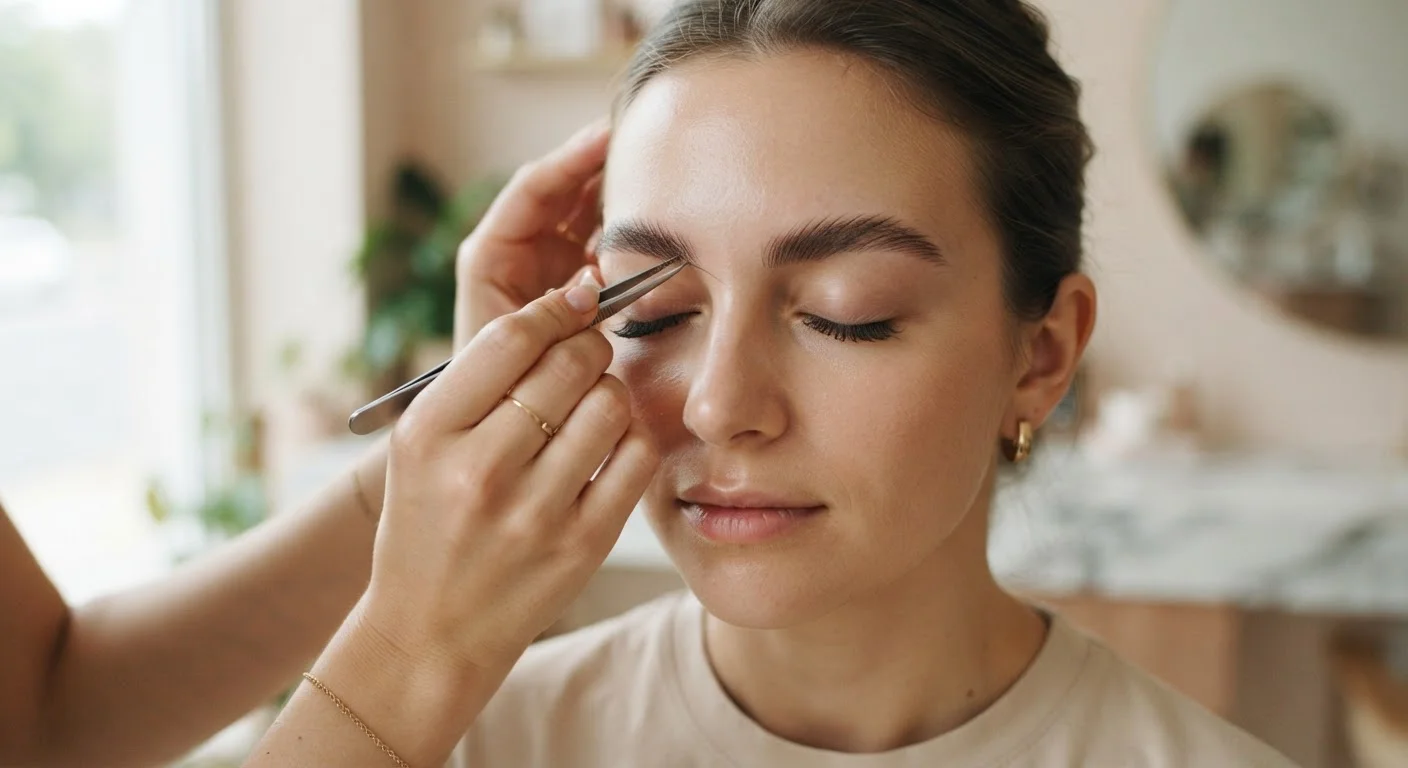
Photo credit: TrendingExperts.net
In this article
Over-plucked brows are easy to end up with and slow to grow back. Learn the subtle shaping techniques that keep brows looking natural and clean.
Key Takeaways
- Removing too little is always safer than removing too much - brows grow back slowly.
- Good lighting and a magnifying mirror help you see exactly what you're working with.
- The natural brow bone structure is your best guide for shaping decisions.
- Tweezing one hair at a time and stepping back often prevents over-plucking.
- Brow grooming is a routine maintenance task, not a dramatic reshaping exercise.
Why Eyebrow Grooming Goes Wrong
Over-plucked brows are one of the most common grooming missteps, and they're notoriously slow to correct. Eyebrow hairs can take anywhere from several weeks to a few months to grow back - and in some cases, repeated removal over time can thin follicles permanently. The problem usually isn't carelessness; it's the absence of a clear method before picking up the tweezers.
Most people approach brow grooming reactively - spotting a stray hair in a bathroom mirror and removing it without thinking about the overall shape. Repeated daily or weekly sessions of this kind gradually erode the natural arch, reduce fullness, and create asymmetry that's hard to reverse. A more deliberate, infrequent approach produces cleaner results with far less risk.
Eyebrow grooming fits naturally into a broader routine. If you're building or refining one, see our overview of a daily grooming routine for guidance on where brow maintenance slots in relative to other steps.
What you will need
How to Shape Brows Without Overdoing It
The steps below are designed for routine maintenance - tidying growth around an established shape - rather than a dramatic transformation. If your brows are significantly overgrown or you're starting fresh, consider a single session with a professional esthetician to establish a baseline shape, then maintain it yourself from there.
Comb brows into their natural position
Before touching tweezers to skin, use a spoolie or clean brow brush to comb all hairs upward and then into their natural direction. This reveals the true shape of your brow, shows you which hairs are genuinely stray, and prevents you from removing hairs that simply needed to be combed into place. Many apparent "problem" hairs disappear entirely once the brow is brushed.
Identify your natural brow boundary
Use a brow pencil or a straight object like a makeup brush handle to map three reference points: where your brow should start (aligned with the inner corner of your eye), where the arch should peak (roughly above the outer edge of your iris), and where it should end (roughly at a diagonal from the outer corner of your eye and the side of your nose). Lightly mark these if it helps. These are reference points, not rigid rules - your natural bone structure is the real guide.
Remove only clearly stray hairs
Working in good light with your standard mirror, tweeze only hairs that fall clearly outside your identified boundary - typically a few hairs between the brows, and any scattered hairs on the brow bone below the main shape. Grip each hair as close to the root as possible and pull in the direction of growth to minimize discomfort and reduce the chance of breakage. Remove one hair at a time.
Check symmetry from a distance
Step back to arm's length from the mirror - or hold a small mirror farther away - and look at both brows together. Compare overall shape, density, and height rather than focusing on individual hairs. This is where most over-plucking is prevented: it's much easier to see when a brow is starting to look too thin from a distance than it is when you're zoomed in close.
Soothe the skin and set a maintenance schedule
After tweezing, apply a gentle, fragrance-free moisturizer or a small amount of aloe vera gel to the area to calm any redness or minor irritation. Avoid heavy makeup directly over freshly tweezed skin for a few hours. Plan your next grooming session for two to four weeks out - not sooner. Brow maintenance works best as an occasional, deliberate task rather than a daily habit.
Less Is Always More With Brows
When in doubt, stop. Brow hairs that are removed can take six to eight weeks to return - and repeated removal in the same follicle can permanently reduce regrowth. If you're uncertain whether a hair should go, leave it in place and reassess at your next grooming session.
Brow grooming, like most grooming tasks, sits at the intersection of skincare and general upkeep. For a clearer sense of how these categories relate, this breakdown of skincare and grooming is worth reading.
Common Mistakes and How to Avoid Them
The single biggest mistake in brow grooming is working in poor lighting. A dimly lit bathroom hides the overall brow shape and causes you to judge individual hairs without context. Always groom in natural daylight or under bright, even artificial light.
The second most common error is magnifying too much, too soon. A 10x magnifying mirror makes every stray hair look urgent - use a standard mirror first to assess overall shape, then switch to a closer view only for precision work on specific hairs you've already identified.
Symmetry is worth mentioning carefully here: human faces are naturally asymmetrical, and chasing perfect mirror-image brows often leads to over-removal on one side. Work on both brows alternately - a few hairs at a time on each - rather than completing one side fully before touching the other.
For a wider look at grooming beliefs that tend to cause more harm than good, this guide to common grooming myths addresses several misconceptions that affect brow care specifically.
Avoid Grooming During or After Skin Irritation
Tweezing over skin that is sunburned, broken out, or irritated can worsen inflammation and increase the risk of ingrown hairs or minor infection. Wait until skin has fully calmed before any hair removal in the brow area. If you experience persistent redness, swelling, or discomfort after grooming, consult a dermatologist or healthcare professional.

Author
Beauty Editorial Team
Beauty Editorial Team is the collective byline for our editorial team and contributor network. Articles published under this byline or an editorial pen name are researched, written, and reviewed according to our editorial standards for clarity, consistency, and independence before publication.
View all articles →