
Before Your First Gym Visit: What to Know, Expect, and Prepare
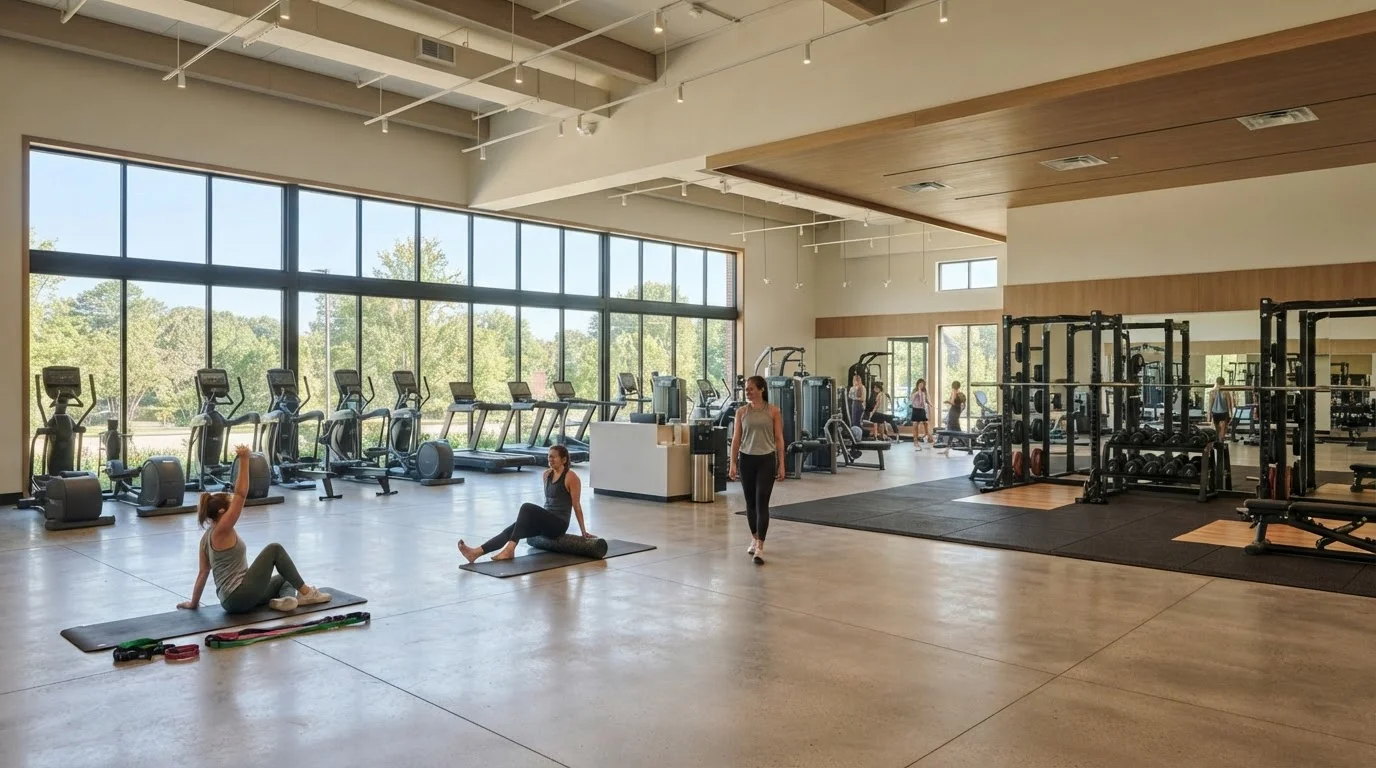
Photo credit: TrendingExperts.net
Walking into a gym for the first time can feel overwhelming. This checklist covers the practical and social basics to help you feel ready.
Key Takeaways
- Most gyms offer a free tour or orientation session - ask for one before committing.
- Wearing comfortable, breathable clothing and supportive footwear is essential for your first visit.
- Learning basic gym etiquette before you arrive reduces anxiety and helps you fit in quickly.
- You do not need to know every machine on day one - start with a simple, manageable plan.
- Hydration and a light pre-workout snack can significantly affect your energy during exercise.
- Consulting a healthcare professional before starting a new exercise program is advised, especially if you have any health concerns.
Why Preparation Makes Your First Visit Count
Walking into a gym for the first time can trigger a wave of uncertainty - where do you go, what do you touch, and what does everyone else seem to know that you don't? The truth is that most people remember feeling exactly the same way. A little advance preparation turns that anxiety into confidence.
This checklist is designed for anyone stepping into a gym environment for the first or near-first time. Whether you've joined a large commercial gym, a community rec center, or a smaller boutique studio, the fundamentals are largely the same. Work through each section before your visit and you'll arrive knowing what to expect, what to bring, and how to carry yourself from the moment you walk in.
If you haven't yet assessed your overall readiness to begin exercising, the workout readiness checklist is a helpful starting point. And if you're building toward a longer-term routine, see this comprehensive fitness guide for the bigger picture.
Before You Arrive
What to Wear and Bring
Gym Etiquette Basics
Your First Workout Session
Tools and Resources to Have Ready
You don't need a lot of equipment to get started at a gym - the facility itself provides most of what you'll use. That said, a few personal essentials will make your experience more comfortable and effective.
Athletic Footwear
Supportive shoes protect your feet and joints during cardio and resistance exercises.
Reusable Water Bottle
Staying hydrated is essential for performance and safety during any workout session.
Small Gym Towel
Required by most gyms for wiping down equipment; also useful for personal use during exercise.
Combination or Padlock
Secures your belongings in a gym locker while you work out.
Workout Log (App or Notebook)
Tracking your exercises and progress from day one helps you build consistency and measure improvement.
Wireless Headphones
Listening to music can improve motivation; wireless models stay out of the way during movement.
Once you've got the basics in hand, your focus can shift entirely to the workout itself. For those ready to move into structured lifting, strength training for absolute beginners walks through foundational movements in plain language. If you're starting from zero fitness experience altogether, Fitness From the Floor Up offers a complete beginner's introduction.
Talk to a Professional Before You Start
If you have a known health condition - including heart disease, high blood pressure, diabetes, or a recent injury - speak with your doctor before beginning a gym-based exercise program. This content provides general guidance only and is not a substitute for personalised medical advice. A certified personal trainer can also help you design a safe starting plan tailored to your current fitness level.
This article is for general informational purposes only and is not a substitute for professional medical advice. If you have any health conditions, injuries, or concerns, consult a qualified healthcare provider before beginning a new exercise program.

Author
Health Editorial Team
Health Editorial Team is the collective byline for our editorial team and contributor network. Articles published under this byline or an editorial pen name are researched, written, and reviewed according to our editorial standards for clarity, consistency, and independence before publication.
View all articles →