
Before You Start a New Workout Routine: A Readiness Checklist
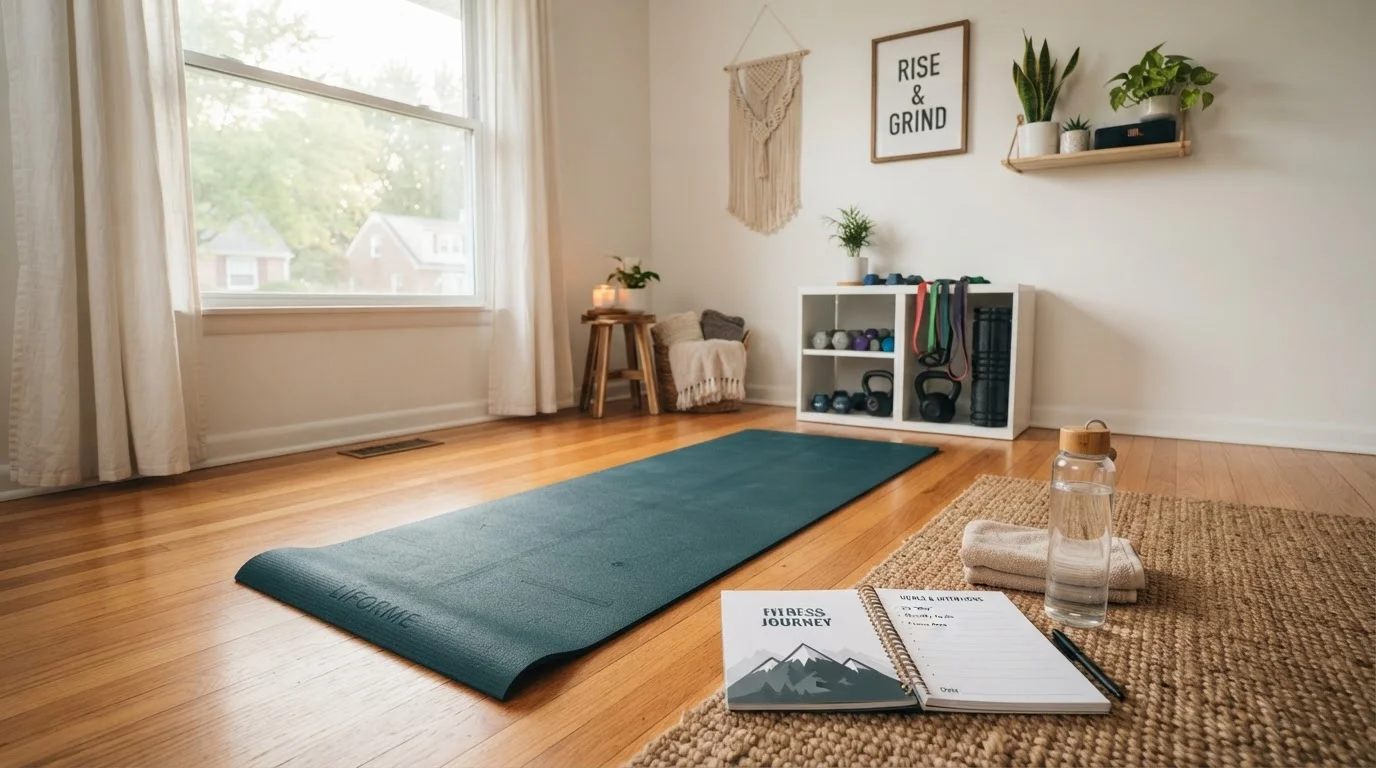
Photo credit: TrendingExperts.net
In this article
A practical checklist to help you assess your health baseline, set realistic goals, and set up your environment before your first week of training.
Key Takeaways
- Checking in with a healthcare provider before starting is especially important if you have any existing health conditions.
- Setting a specific, realistic goal before your first session dramatically improves the chance you'll stay consistent.
- You don't need a gym membership or expensive equipment to begin a safe, effective workout routine.
- Knowing your schedule constraints in advance helps you choose a routine you can realistically maintain.
- Recovery, sleep, and hydration are part of training - not afterthoughts.
Why a Readiness Checklist Actually Matters
Most people who start a new workout routine quit within the first few weeks - not because exercise is too hard, but because they didn't set themselves up for success before they began. A quick audit of your health baseline, goals, schedule, and environment can be the difference between a habit that sticks and one that fades after a bad week.
This checklist is designed for everyday Americans at any fitness level. Whether you're returning after years away or picking up structured exercise for the first time, working through these items before your first session gives you a clearer picture of where you're starting and what you actually need. For a deeper look at building a long-term plan, see our guide to building a sustainable fitness routine.
Talk to a Provider Before You Begin
If you have a heart condition, diabetes, high blood pressure, a recent injury, or any chronic health issue, consult a qualified healthcare provider before starting a new exercise program. This article provides general guidance only - it is not medical advice and cannot account for your individual health situation. When in doubt, a brief check-in with a professional is always the right first step.
What You'll Need to Work Through This Checklist
The tools below are straightforward - nothing specialized or expensive. Having them ready before you sit down with this list means you can move through each item without stopping.
Notebook or digital note-taking app
Record your goals, schedule, and checklist answers in one place so you can revisit them during your first weeks of training.
Calendar or scheduling app
Block workout times as fixed appointments to make sessions harder to skip.
Healthcare provider contact
Arrange a pre-exercise check-in if you have any existing health conditions or haven't been active in an extended period.
Fitness tracking app or printable log
Log each session so you can see progress and spot patterns in your energy and consistency.
Reusable water bottle
Keep hydration effortless by having a bottle in your workout space at all times.
The Readiness Checklist
Work through each group in order. Items marked must are non-negotiable before your first week of training. Should items are strongly recommended, and nice-to-have items can be added over time as your routine matures.
Health Baseline
Goal Setting
Schedule & Commitment
Environment & Equipment
Recovery & Lifestyle Foundations
If you're planning to use a gym rather than working out at home, our first gym visit checklist covers the practical and social basics you'll also want to review. And if you're brand new to structured exercise entirely, Fitness From the Floor Up walks you through your very first week step by step.
Don't Skip the Recovery Planning Step
One of the most common mistakes beginners make is treating rest days as wasted days and exercising too frequently in the first week. Muscle soreness and fatigue from too much too soon - sometimes called overtraining - can derail a new routine quickly. Build rest into your plan from the start, not as a fallback.
After You've Checked Every Box
Completing this checklist doesn't guarantee results - no checklist can do that. What it does is remove the most common early obstacles: unclear goals, the wrong environment, unaddressed health concerns, and unrealistic expectations. Those are the things that derail people before fitness has a chance to become a habit.
Once you've worked through these items, you're ready to explore the broader Fitness & Exercise hub for guidance on workout types, movement habits, and how to progress safely over time. If you're also thinking about changing how you eat alongside your new routine, our pre-diet self-audit checklist applies the same thoughtful approach to nutrition decisions.
This article is for general informational purposes only and is not a substitute for professional medical advice. Consult a qualified healthcare provider before beginning any new exercise program, particularly if you have a health condition, are pregnant, or have been physically inactive for an extended period.

Author
Beauty Editorial Team
Beauty Editorial Team is the collective byline for our editorial team and contributor network. Articles published under this byline or an editorial pen name are researched, written, and reviewed according to our editorial standards for clarity, consistency, and independence before publication.
View all articles →