
Fitness From the Floor Up: A Complete Introduction for Beginners
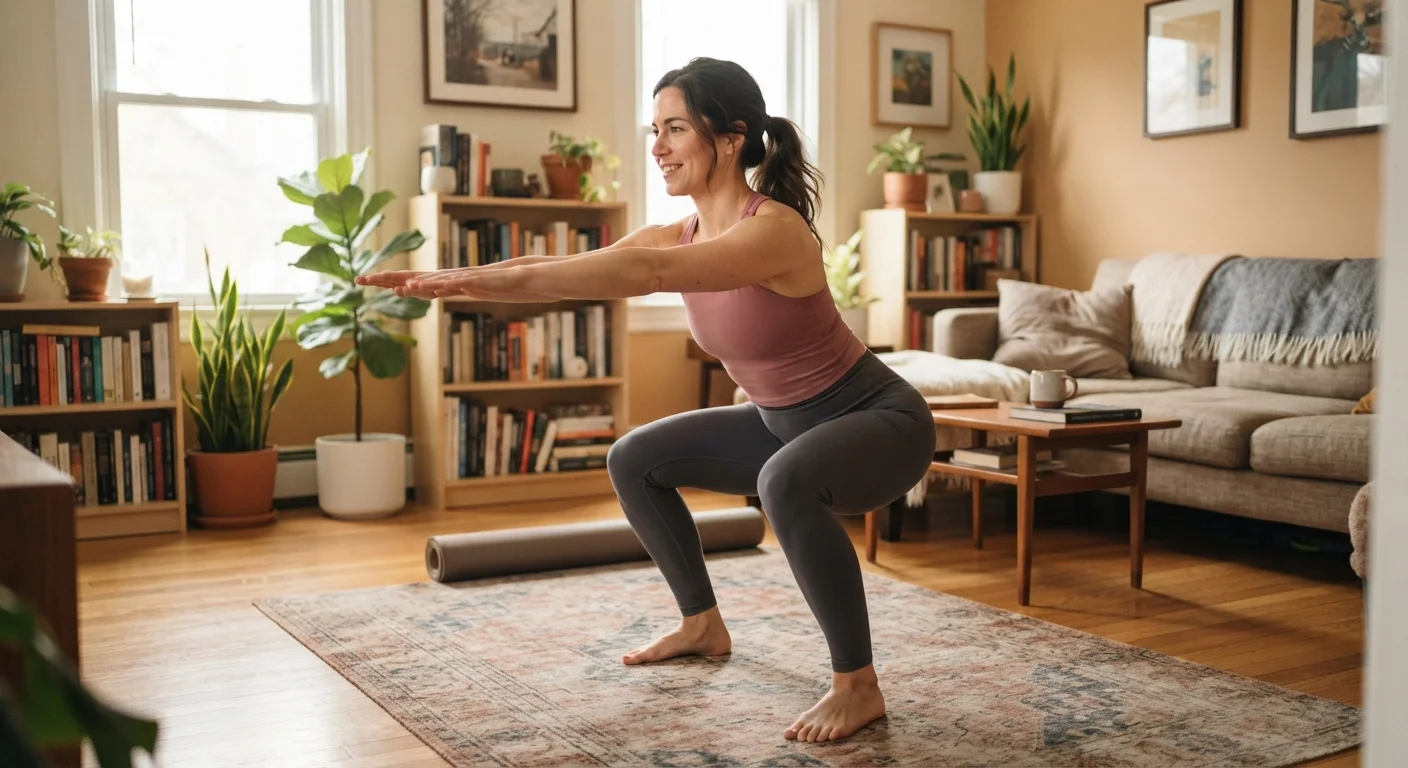
Photo credit: TrendingExperts.net
In this article
Never worked out consistently before? This guide covers everything from setting realistic goals to your first week of exercise — no experience needed.
Key Takeaways
- No gym membership, equipment, or prior experience is required to start exercising effectively.
- Setting specific, realistic goals from day one dramatically improves the chance of sticking with a routine.
- Three moderate workouts per week is a research-supported starting point for most healthy beginners.
- Progress is multidimensional - energy levels, sleep quality, and strength gains matter as much as the scale.
- Starting too intensely too soon is the most common reason beginners quit within the first month.
Why Starting From Zero Is Actually an Advantage
Fitness culture tends to celebrate people who are already fit. That creates a quiet but persistent illusion that you need to be athletic to start - which is exactly backwards. Beginners have a genuine physiological edge: the body responds most dramatically to exercise stimulus when it's unaccustomed to it. Every session in your first weeks triggers adaptation that experienced exercisers have to work much harder to replicate.
The challenge isn't biological. It's navigating the overwhelming noise of conflicting advice, intimidating environments, and all-or-nothing thinking. This guide cuts through that by focusing on what the evidence consistently supports: small, consistent actions compound into lasting change. Before your first session, it's worth reviewing a readiness checklist to assess your health baseline and set up your environment properly.
Bodyweight exercise
Physical movements that use your own body as resistance - such as push-ups or squats - without any additional equipment.
Delayed onset muscle soreness (DOMS)
Muscle achiness that typically appears 24 to 48 hours after unfamiliar exercise, caused by microscopic muscle fiber stress that leads to adaptation and growth.
Cardio
Short for cardiovascular exercise - sustained rhythmic activity like walking, jogging, or cycling that elevates heart rate and supports heart and lung health.
Rest day
A day with no structured exercise, allowing muscles, joints, and the nervous system to recover and adapt from training stress.
Process goal
A goal focused on consistent behavior - such as working out three times a week - rather than a specific outcome like losing a set number of pounds.
Warm-up
A short period of gentle movement before exercise that gradually raises heart rate and loosens joints to reduce injury risk.
Setting Goals That Won't Derail You
Vague ambitions like "get in shape" or "lose weight" are almost impossible to act on and easy to abandon. Effective beginner goals share three qualities: they are specific, time-bounded, and process-focused rather than purely outcome-focused. For example, "walk for 20 minutes three times this week" is far more actionable than "exercise more."
Process goals keep you in control. You cannot guarantee exactly how your body will respond to training, but you can guarantee whether you showed up. Once consistent behavior becomes habitual - typically after several weeks of repetition - you can layer in more ambitious targets. This approach also significantly reduces the risk of early burnout, which is one of the most common failure points for new exercisers. Learn more about why beginners burn out fast and how to structure a more durable routine from the start.
Anchor Your Workout to an Existing Habit
One of the most reliable ways to make exercise stick is to attach it to something you already do automatically - like brewing morning coffee or finishing lunch. This technique, sometimes called habit stacking, reduces the mental friction of deciding when to work out. Keep your sessions short enough that skipping feels harder than doing them.
What You Actually Need to Begin
The minimum viable setup for a beginner fitness routine is a pair of supportive shoes and enough floor space to lie down. That's it. Bodyweight movements - squats, lunges, push-ups, planks, and glute bridges - develop real strength and require nothing else. If walking or jogging appeals to you, the sidewalk is your gym.
Equipment can add variety and challenge over time, but buying gear before you've established a habit is putting the cart before the horse. For practical ideas on structuring sessions without any tools, see these home workout routines that require no equipment. If unfamiliar terms come up as you explore workout content, a plain-language fitness vocabulary reference can help you decode the jargon quickly.
Your First Week: A Simple Framework
A sustainable beginner week doesn't look like a fitness influencer's training split. It looks like this: two to three sessions of 20 to 30 minutes, with at least one full rest day between each. Sessions should feel challenging but not punishing - you should finish tired, not destroyed.
A basic structure might alternate between a short walk or light cardio session and a simple bodyweight circuit targeting major muscle groups. Warm up for five minutes with gentle movement, work through your exercises at a controlled pace, and cool down with light stretching. Consistency across weeks matters far more than intensity in any single session. For a comprehensive look at how to structure this over the long term, building a sustainable fitness routine covers goal-setting, recovery, and nutrition basics in one place.
This article is for general informational purposes only and is not a substitute for professional medical advice. Consult a qualified healthcare provider before beginning any new exercise program, particularly if you have existing health conditions or concerns.
How to Know If It's Working
Progress at the beginner stage is rarely dramatic on the outside, but it shows up clearly in daily life. Common early signals include improved energy during the day, better sleep quality, reduced breathlessness during everyday activities, and a gradually lighter feeling in movements that once felt heavy. These are meaningful, real adaptations - don't discount them because they don't show up in before-and-after photos.
Body weight is just one data point among many, and it can fluctuate for reasons entirely unrelated to fitness. Tracking fitness progress without fixating on the scale outlines practical, non-scale metrics that give a more complete picture of whether your training is moving in the right direction. Track what you can control - sessions completed, effort quality, how you feel - and the outcomes tend to follow.
Progress Looks Different for Everyone
Individual responses to exercise vary based on genetics, sleep, nutrition, stress levels, and prior activity history. Comparing your Week 3 to someone else's Week 3 is rarely useful or accurate. Focus on your own trajectory over time - are you doing more than you were last month? That's the metric that matters most at this stage.
Frequently Asked Questions

Author
Beauty Editorial Team
Beauty Editorial Team is the collective byline for our editorial team and contributor network. Articles published under this byline or an editorial pen name are researched, written, and reviewed according to our editorial standards for clarity, consistency, and independence before publication.
View all articles →