
Home Workout Routines That Require No Equipment
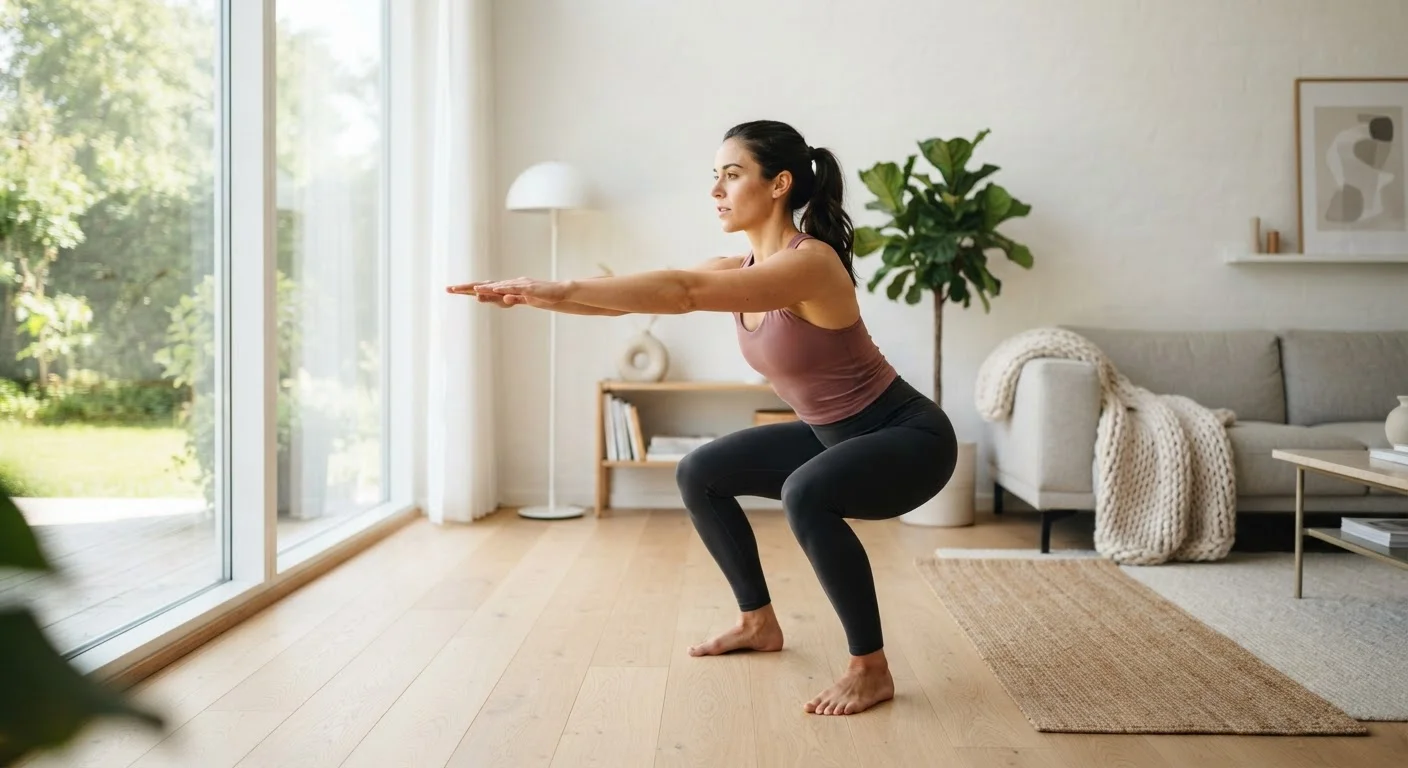
Photo credit: TrendingExperts.net
Effective exercise doesn't require a gym membership or gear. A curated set of bodyweight routines for different goals and fitness levels.
Key Takeaways
- Bodyweight exercises can build real strength, endurance, and flexibility without any equipment.
- Consistency and progressive difficulty matter more than the tools you use.
- Different routines target different goals - choose one that matches where you are right now.
- Rest and recovery are as important as the workouts themselves.
- Beginners should prioritize form over speed or volume to reduce injury risk.
Why Bodyweight Training Works
You don't need a gym membership, a set of dumbbells, or a dedicated workout space to build genuine fitness. Bodyweight training - using your own body as resistance - is one of the most studied and time-tested approaches to building strength, cardiovascular health, and mobility. What it lacks in equipment it makes up for in versatility and accessibility.
The routines below are organized by goal rather than by difficulty level, because real fitness needs vary. Whether you're starting from zero or looking to add structure to an existing habit, there's a practical starting point here. For a broader foundation, a complete beginner's introduction to fitness covers the context behind why these habits matter.
Start With Two to Three Sessions Per Week
If you're building a new habit, resist the urge to train every day from the start. Two to three sessions per week with rest days between them gives your muscles time to recover and adapt - which is where actual fitness gains occur. Consistency over weeks matters far more than intensity in any single session.
The Beginner Foundation Circuit
If you're new to structured exercise, a simple circuit of fundamental movements is the most effective starting point. Combine squats, push-ups, and stationary lunges - three moves that work your largest muscle groups without placing undue stress on your joints.
Aim for 3 rounds of 10-12 repetitions each, resting 60 seconds between rounds. Focus entirely on control: lower slowly, pause at the bottom, and drive back up deliberately. Speed comes later. For push-ups, starting on your knees is completely valid - it's the same movement pattern with reduced load.
This circuit takes roughly 20 minutes and requires nothing but a small patch of floor. Done three times a week with a rest day between sessions, it builds the muscular base you need before progressing to anything more demanding.
Three movements, 20 minutes, three days a week - that's a real foundation.
The Core-Focused Daily Routine
A strong core isn't just about aesthetics - it's the stabilizing system behind virtually every movement your body makes. A short daily core routine can meaningfully improve posture, reduce lower-back discomfort, and support athletic performance over time.
A practical sequence: plank holds (20-30 seconds), dead bugs (8 per side), glute bridges (15 reps), and side-lying hip abductions (12 per side). These exercises train the deep stabilizing muscles - not just the superficial abs - which is where most people have genuine gaps.
Keep the routine to 10-15 minutes. Daily consistency here compounds quickly. If lower-back issues are a concern for you personally, consult a healthcare professional before starting any new exercise program.
Core training is about stability and function, not just appearance.
The Cardio-Focused HIIT Session
High-intensity interval training (HIIT) - short bursts of intense effort followed by brief rest - has a strong evidence base for improving cardiovascular fitness efficiently. The good news: it translates seamlessly to bodyweight work.
A 20-minute session might look like: 20 seconds of jumping jacks, 10 seconds rest; 20 seconds of high knees, 10 seconds rest; 20 seconds of squat jumps, 10 seconds rest - repeated for 6-8 rounds. That's intense enough to elevate your heart rate well into a challenging zone without requiring a treadmill or stationary bike.
HIIT is demanding. Two sessions per week is sufficient for most people; more is not necessarily better, and adequate recovery between sessions is essential. If you have any cardiovascular conditions, seek clearance from a doctor before attempting high-intensity work.
Twenty minutes of HIIT can deliver cardiovascular benefits comparable to longer, steady-state sessions.
The Mobility and Flexibility Flow
Flexibility and mobility work is chronically underestimated - and it's the category most people skip until something starts hurting. A regular mobility routine keeps joints healthy, reduces muscle tightness from sedentary work, and improves the quality of every other workout you do.
A simple 15-minute flow: hip flexor stretches (60 seconds each side), thoracic rotations (10 per side), 90/90 hip stretches (60 seconds each side), and a doorway chest opener (30 seconds). Work slowly and breathe into each stretch rather than forcing range of motion.
This kind of routine works well as a standalone morning practice or as a cooldown after more intense sessions. For a practical way to build this into your day, building a morning movement habit is a useful place to start.
Mobility work done consistently prevents the injuries that derail everything else.
The Intermediate Strength Progression
Once the foundational movements feel comfortable, progressive overload - the principle of gradually increasing demand on your muscles - applies just as much to bodyweight training as to weightlifting. The key is modifying exercises to increase difficulty rather than simply adding weight.
Progress push-ups toward decline push-ups (feet elevated). Replace standard squats with single-leg (pistol) squat progressions. Add pike push-ups for shoulder strength. Introduce negative pull-ups if you have a doorframe bar - or work table rows using a sturdy desk.
This is where bodyweight training gets genuinely challenging and where most people see substantial strength gains. For a deeper look at how these principles compare to weight-based training, bodyweight training principles and progressions covers the full landscape.
Harder exercise variations - not just more reps - are how bodyweight training keeps building strength.
The Rest-Day Active Recovery Routine
Rest days don't mean inactivity - they mean lower-intensity movement that supports recovery. Active recovery helps clear metabolic byproducts from muscle tissue, maintains blood flow, and prevents the stiffness that makes the next training session harder than it needs to be.
A rest-day routine might include: a 15-20 minute walk, followed by gentle yoga-style stretching targeting whatever areas feel tight, and a few minutes of diaphragmatic breathing exercises to calm the nervous system. None of this should feel effortful.
Active recovery is also a good opportunity to work on balance and body awareness - single-leg stands, slow controlled movements - without the fatigue that accumulates during harder sessions. Treating recovery as part of training, not a break from it, is one of the most durable habits in fitness.
Recovery is not the absence of training - it's where adaptation actually happens.
Building a Routine That Actually Sticks
The best workout routine is one you'll repeat next week. That means starting at a realistic level, scheduling sessions like appointments, and accepting that some days a shorter effort is better than none. Fitness built gradually through consistent, moderate effort outperforms intense but sporadic bursts almost every time.
No Equipment Doesn't Mean No Progression
A common misconception is that bodyweight workouts plateau quickly. In practice, the progression options - slower tempo, reduced rest, harder variations, unilateral movements - keep training challenging well beyond beginner level. If you're curious about how bodyweight training compares to lifting weights over the long term, a balanced comparison of both approaches is worth reading.
If your goals eventually extend beyond bodyweight work - particularly if you want to develop maximal strength - strength training for absolute beginners offers a clear entry point into resistance training. The two approaches complement each other well. For a comprehensive view of how to structure everything - goals, recovery, and long-term progression - building a sustainable fitness routine is a useful reference.
This article is for general informational purposes only and does not constitute medical or fitness advice. Consult a qualified healthcare or fitness professional before beginning a new exercise program, especially if you have an existing health condition or injury.

Author
Beauty Editorial Team
Beauty Editorial Team is the collective byline for our editorial team and contributor network. Articles published under this byline or an editorial pen name are researched, written, and reviewed according to our editorial standards for clarity, consistency, and independence before publication.
View all articles →