

Careers Editorial Team
Careers Editorial Team is the collective byline for our editorial team and contributor network. Articles published under this byline or an editorial pen name are researched, written, and reviewed according to our editorial standards for clarity, consistency, and independence before publication.

Applicant Tracking Systems: What They Are and How to Work With Them
Many employers use ATS software to filter applications before a human ever sees them. Learn how these systems work and h…

Cover Letters in the Modern Job Market: Still Worth Writing?
Opinions on cover letters are divided. Here's an honest look at when they help, when they don't, and what a useful one a…

Following Up After Applying: What's Appropriate and What Crosses a Line
There's a meaningful difference between a thoughtful follow-up and one that hurts your chances. Here's how to handle pos…

Job Boards vs. Networking: Where Most People Actually Get Hired
Applying online and tapping your network are both valid strategies — but they work very differently. Here's what the evi…

Job Search Myths That Keep People Stuck
From 'applying to more jobs is always better' to 'gaps in your resume are disqualifying' — common job search beliefs tha…
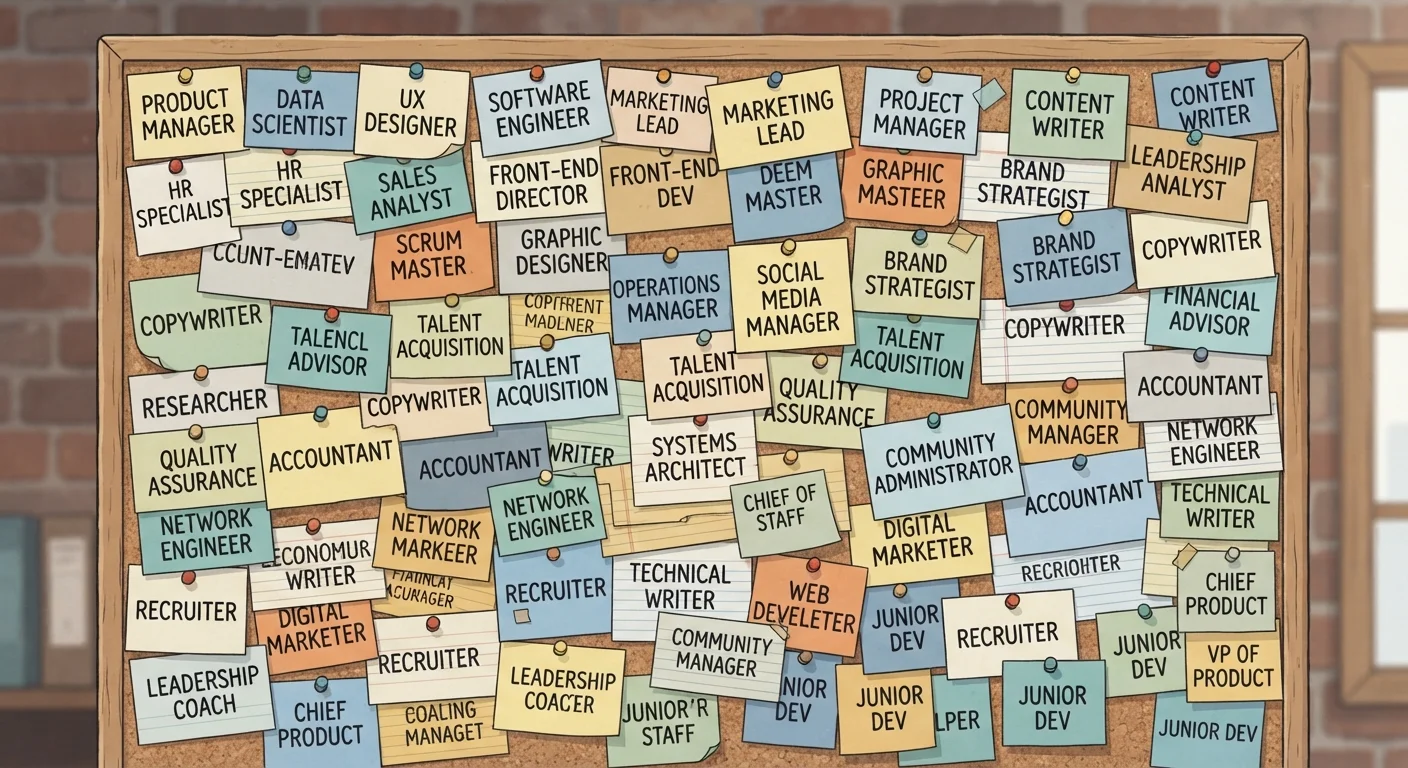
Making Sense of Job Titles: Why the Same Role Has a Dozen Different Names
Job title inconsistency across industries makes searching harder than it should be. This reference breaks down how to fi…

Networking Without It Feeling Awkward: A Realistic Approach
Professional networking doesn't have to be transactional or uncomfortable. These honest strategies make it feel more lik…

Remote vs. In-Person Job Searching: Different Strategies for Different Markets
Searching for remote roles requires different tactics than hunting for local positions. Here's how your approach should …

Salary Research 101: Finding Realistic Pay Ranges Before You Interview
Walking into salary discussions unprepared costs job seekers real money. Learn where to find reliable compensation data …

Signals Your Job Search Strategy Isn't Working - and What to Adjust
No callbacks after weeks of applying? Lots of first-round interviews but no offers? Different problems call for differen…

The Complete Job Search Playbook: From Deciding to Move to Accepting an Offer
A thorough, start-to-finish resource covering every stage of the job search — from defining what you want to negotiating…

The Job Search Checklist: What to Have Ready Before You Apply
From your resume and references to your LinkedIn URL, use this checklist to make sure you're fully prepared before sendi…

The Modern Job Search: How the Hiring Process Actually Works Today
Applicant tracking systems, recruiter timelines, and hiring decisions explained — so you know what's really happening af…

Why Tailoring Your Resume to Each Job Actually Matters
Sending the same resume everywhere is one of the most common job search mistakes. Here's what customization actually inv…

Your First Week of Job Searching: A Practical Starting Point
New to the job hunt? This guide walks you through building a resume, setting up profiles, and applying with intention fr…

Asking for a Promotion Without Torpedoing Your Standing
Timing, framing, and preparation all shape how a promotion conversation lands. Here's how to make your case clearly and …

Building a Professional Network When You're Starting From Zero
Networking doesn't require a packed contacts list or bold personality. Learn practical, low-pressure strategies for grow…

Career Growth From Entry Level to Senior: A Field-Agnostic Roadmap
Whether you're in healthcare, tech, or retail, certain principles drive advancement at every stage. A comprehensive look…

Career Growth Myths That Keep Everyday Workers Stuck
From 'loyalty is always rewarded' to 'credentials speak for themselves' — common career beliefs that research and experi…

Hard Skills vs. Soft Skills: What Employers Actually Weigh When Promoting
Technical ability and interpersonal intelligence both factor into career advancement — but not always equally. Here's ho…

Internal Mobility vs. Job Hopping: Weighing Two Routes to Career Advancement
Staying put or moving on? Both paths have trade-offs for salary growth, skill depth, and long-term career trajectory. He…

Mentorship vs. Sponsorship: Two Very Different Paths to Getting Ahead
Mentors give advice. Sponsors open doors. Understanding the difference could change how you invest in professional relat…

Professional Certifications: When They Advance Your Career and When They Don't
Certifications can open doors or collect dust depending on the field and role. Here's how to assess whether a credential…

Signals Your Career Has Plateaued - and Levers You Can Pull
Stagnation can sneak up quietly. Recognize the warning signs of a career plateau and learn concrete ways to regain momen…

The Role of a Personal Development Plan in Long-Term Career Success
A personal development plan turns vague career ambitions into structured goals. Learn what one includes and how to build…

Transferable Skills: The Career Currency Most Workers Underestimate
Transferable skills travel with you across jobs and industries. Discover what they are, which ones matter most, and how …

Upskilling on a Budget: Learning New Skills Without Leaving Your Day Job
Formal degrees aren't the only way to grow professionally. Explore practical, affordable options for building in-demand …

Visibility at Work: What It Means and How to Cultivate It Authentically
Being good at your job matters — but so does being known for it. Learn what workplace visibility really means and how to…

What a Career Lattice Is - and Why It May Serve You Better Than a Ladder
The traditional career ladder isn't the only path forward. Learn what a career lattice is and how lateral moves can acce…

Why High Performers Get Passed Over for Promotion
Strong work alone doesn't guarantee advancement. Explore the visibility and relationship gaps that leave talented worker…

Active Listening: The Workplace Skill Most People Think They Already Have
Active listening goes beyond staying quiet. Learn what it actually involves and why it shapes your relationships and rep…

Assertiveness vs. Aggressiveness: Drawing the Line at Work
Assertiveness and aggressiveness are often confused. Learn how to distinguish them and communicate your needs without al…

Before Your Next Big Presentation: A Preparation Checklist
Cover every angle before you present. This checklist walks through content, delivery, tech setup, and contingency planni…

Conflict Resolution at Work: Frameworks That Actually Hold Up
Workplace conflict is inevitable. This guide walks through practical, evidence-informed approaches to resolving disagree…

Delegation, Autonomy, and Micromanagement: Where Each Fits in a Healthy Workplace
Understanding the spectrum between micromanagement and full autonomy helps both employees and managers build more functi…

Giving Feedback Without Damaging the Relationship
Constructive feedback is one of the hardest workplace skills to master. Here's how to deliver it clearly and respectfull…

Networking Inside Your Own Company
Building relationships across departments can open doors just as powerfully as external networking. Here's how to do it …

Remote Work Habits That Undermine Your Professional Reputation
Working from home comes with visibility blind spots. These common habits quietly signal disengagement to managers and te…

Saying No at Work Without Burning Bridges
Declining requests professionally is a skill. Explore the language, context, and boundaries that make 'no' easier and le…

Soft Skills vs. Hard Skills: What Employers Actually Weigh
Hard skills get you the interview; soft skills often determine the outcome. Understand how hiring managers and leaders e…

The Anatomy of a Professional Email
From subject lines to sign-offs, learn the structural and tonal elements that make workplace emails clear, credible, and…

The Myths Around Being a 'Team Player' That Hold Careers Back
Not every popular belief about teamwork is accurate. Separate the workplace myths from practices that genuinely build co…

What Emotional Intelligence Actually Means on the Job
EQ is more than managing your feelings. Understand its four core components and how each plays out in real workplace sit…

Why Smart People Struggle to Manage Their Time at Work
Intelligence doesn't guarantee good time management. Explore the cognitive and behavioral patterns that trip up even cap…

Workplace Communication Styles: How to Read a Room and Adapt
Different colleagues prefer different communication approaches. Learn to recognize common styles and adjust your own wit…