
Owning a Smartwatch: What It Adds to Daily Life and Where It Falls Short
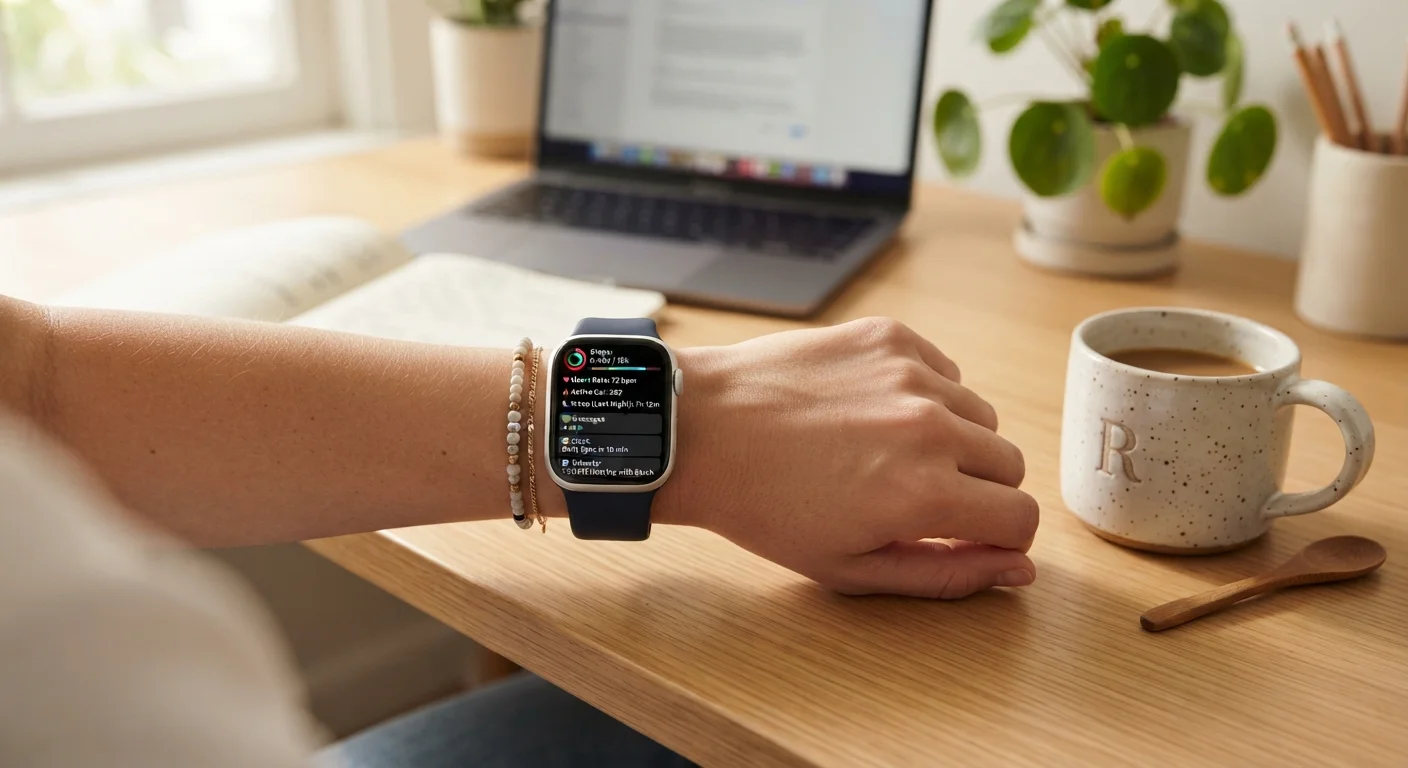
Photo credit: TrendingExperts.net
In this article
Smartwatches offer convenience and health tracking, but also come with real limitations. Here's a balanced look at what wearing one is actually like.
Key Takeaways
- Smartwatches are most useful for quick notifications, health tracking, and reducing phone dependency.
- Battery life and screen size remain the biggest practical limitations for most users.
- Health data from smartwatches can be informative but should not replace professional medical evaluation.
- Whether a smartwatch adds value depends heavily on your daily habits and smartphone ecosystem.
- Setup and syncing requirements mean there is a learning curve for less tech-savvy users.
Reduces need to check your phone constantly
Wrist-based notifications allow you to triage messages at a glance, which can reduce phone pickups and the distraction that often comes with them.
Continuous health and fitness tracking
Sensors monitor heart rate, steps, and sleep automatically throughout the day, giving users a running picture of their physical activity without manual logging.
Useful during exercise without a phone
Many smartwatches can track workouts, play music via Bluetooth, and even make calls independently, making them practical for running or gym sessions.
Subtle in professional and social settings
Checking a watch in a meeting is far less disruptive than unlocking a phone, making smartwatches a better-mannered way to stay informed.
Emergency features add a safety layer
Features like fall detection and emergency SOS - available on several smartwatch platforms - can alert contacts or emergency services in certain situations, which is especially relevant for older adults or solo exercisers.
Battery life requires daily or nightly charging
Most smartwatches need to be charged every one to two days, which creates a routine burden and forces trade-offs between overnight sleep tracking and battery recovery.
Limited functionality without a paired smartphone
Smartwatches are designed as companion devices; core features like app notifications, maps, and streaming rely on a connected phone, limiting their standalone usefulness.
Small screen makes detailed tasks frustrating
Typing replies, reading long messages, or navigating multi-step menus on a small display is cumbersome - the form factor simply isn't built for extended interaction.
Health data accuracy has real limits
Consumer-grade sensors can give useful trend data, but they are not medical instruments. Readings for blood oxygen or irregular heart rhythm should be interpreted cautiously and discussed with a healthcare provider.
Can feel like another device to manage
Between charging schedules, software updates, and app permissions, a smartwatch adds to the overall complexity of a person's device ecosystem rather than simplifying it.
What a Smartwatch Actually Does Day to Day
At its core, a smartwatch is a wrist-mounted extension of your smartphone. It mirrors notifications - texts, calls, calendar alerts, app pings - so you can glance at your wrist instead of pulling out your phone. Beyond that, most modern smartwatches include sensors that track heart rate, steps, sleep patterns, and sometimes blood oxygen levels.
In practice, the experience varies by how you use it. For someone who exercises regularly, a smartwatch can serve as a workout companion, logging distance, pace, and heart rate without requiring a phone nearby. For office workers, it acts as a subtle notification filter - useful in meetings where checking a phone would feel disruptive. These are the moments where a smartwatch earns its place.
It's worth understanding what syncing your devices actually involves behind the scenes. See our explainer on how syncing works for a clear breakdown of what's happening when your watch talks to your phone.
The Real Advantages Worth Knowing About
The strongest case for a smartwatch is convenience. Glancing at your wrist to dismiss a notification or check the time takes far less effort than unlocking a phone - and over a day, those small frictions add up. For fitness specifically, having always-on tracking without carrying a device in your hand is a meaningful upgrade.
Reduces need to check your phone constantly
Wrist-based notifications allow you to triage messages at a glance, which can reduce phone pickups and the distraction that often comes with them.
Continuous health and fitness tracking
Sensors monitor heart rate, steps, and sleep automatically throughout the day, giving users a running picture of their physical activity without manual logging.
Useful during exercise without a phone
Many smartwatches can track workouts, play music via Bluetooth, and even make calls independently, making them practical for running or gym sessions.
Subtle in professional and social settings
Checking a watch in a meeting is far less disruptive than unlocking a phone, making smartwatches a better-mannered way to stay informed.
Emergency features add a safety layer
Features like fall detection and emergency SOS - available on several smartwatch platforms - can alert contacts or emergency services in certain situations, which is especially relevant for older adults or solo exercisers.
Health tracking is another genuine strength, with some important caveats. Metrics like resting heart rate trends, sleep duration, and daily step counts can help people build awareness of their habits over time. If you're curious about how tracked movement - like daily walking - translates into real health outcomes, our article on walking as a workout offers useful context.
~30%
Adults who own a smartwatch or fitness tracker
Pew Research Center surveys have found roughly three in ten American adults report owning a smartwatch or fitness tracker, reflecting broad but not universal adoption.
1-2 days
Typical smartwatch battery life
Most mainstream smartwatches require charging every one to two days under typical use, according to manufacturer specifications across leading device categories.
Where Smartwatches Fall Short
Battery life is the most consistent complaint among smartwatch users. While smartphones can last a full day or longer with moderate use, many smartwatches require nightly charging - meaning you either charge the watch while you sleep (losing sleep tracking) or find another window during the day. This tradeoff frustrates users who expected the device to be more seamless.
Battery life requires daily or nightly charging
Most smartwatches need to be charged every one to two days, which creates a routine burden and forces trade-offs between overnight sleep tracking and battery recovery.
Limited functionality without a paired smartphone
Smartwatches are designed as companion devices; core features like app notifications, maps, and streaming rely on a connected phone, limiting their standalone usefulness.
Small screen makes detailed tasks frustrating
Typing replies, reading long messages, or navigating multi-step menus on a small display is cumbersome - the form factor simply isn't built for extended interaction.
Health data accuracy has real limits
Consumer-grade sensors can give useful trend data, but they are not medical instruments. Readings for blood oxygen or irregular heart rhythm should be interpreted cautiously and discussed with a healthcare provider.
Can feel like another device to manage
Between charging schedules, software updates, and app permissions, a smartwatch adds to the overall complexity of a person's device ecosystem rather than simplifying it.
Screen size is another real limitation. Even on larger smartwatch models, reading a lengthy message or navigating a complex menu is awkward. Smartwatches are designed for quick glances, not extended interactions - and users who expect more than that tend to be disappointed.
A Note on Health Monitoring Features
Smartwatches can surface useful health indicators - like elevated resting heart rate or irregular rhythm alerts - but they are not diagnostic medical tools. The data they produce is best used to inform conversations with a healthcare provider, not to draw conclusions on your own. If a reading concerns you, consult a qualified professional rather than acting on wearable data alone.
How to Know If One Is Right for You
Smartwatches work best when they fit naturally into habits you already have. If you exercise regularly and want to track your effort without carrying your phone, the value proposition is strong. If you receive a high volume of notifications and want a smarter filter, a smartwatch can genuinely reduce screen time.
On the other hand, if you rarely use a smartphone for fitness or don't feel overwhelmed by notifications, a smartwatch may feel redundant. They also require commitment: you'll need to charge them consistently, keep your phone nearby for full functionality, and learn your way around a small interface. The technology is mature, but it still asks something of the user.
If you're weighing a smartwatch alongside other tech purchases and trying to understand device trade-offs more broadly, our guide on laptops versus tablets walks through a similar decision-making framework.

Author
Technology Editorial Team
Technology Editorial Team is the collective byline for our editorial team and contributor network. Articles published under this byline or an editorial pen name are researched, written, and reviewed according to our editorial standards for clarity, consistency, and independence before publication.
View all articles →