
Sugar by Any Other Name: How Added Sugars Hide on Ingredient Lists
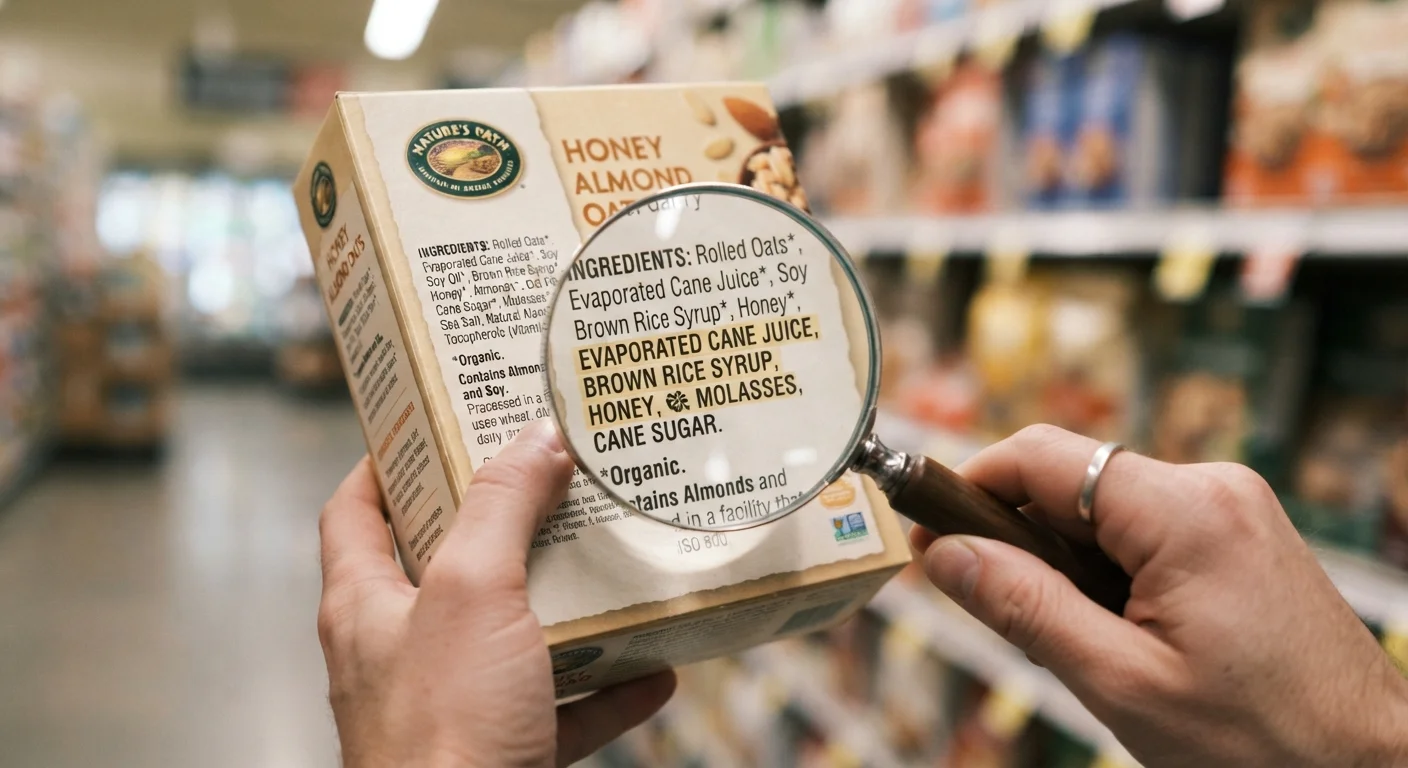
Photo credit: TrendingExperts.net
In this article
Added sugar appears under dozens of names on ingredient labels. This guide helps you recognize them and understand what they mean for your diet.
Key Takeaways
- Added sugars appear under more than 60 different names on ingredient labels.
- Ingredients ending in "-ose" are almost always a form of sugar.
- Multiple sugar aliases listed separately can mask how much added sugar a product truly contains.
- The Nutrition Facts panel now requires a dedicated "Added Sugars" line, making totals easier to spot.
- Whole foods like fruit contain naturally occurring sugars, which differ from added sugars in context.
Why Added Sugars Have So Many Names
The diversity of sugar names on ingredient lists is not accidental. Sugars come from many botanical sources - cane, beet, corn, rice, coconut, and more - and each processing method yields a product with a distinct chemical profile and a distinct name. Regulatory labeling rules require manufacturers to use the ingredient's actual name, which means every unique source and processing step produces a separately listed item.
The practical result for consumers is a landscape of more than 60 recognized names for added sugars, spread across ingredient lists that most people scan in seconds. Understanding the underlying patterns - chemical suffixes, syrup names, and concentrated fruit forms - makes it far easier to decode any label quickly. For a broader understanding of how nutrition labels work from top to bottom, see our full guide to nutrition labels.
Splitting Sugar Across Many Ingredients Is Common
Food manufacturers sometimes list three or four different sugar types separately so that none of them appears near the top of the ingredient list. Because ingredients are ranked by weight, this tactic can push sugars further down the list even when the total amount is substantial. Always cross-reference the ingredient list with the "Added Sugars" line on the Nutrition Facts panel.
How to Read Ingredient Lists for Hidden Sugars
What you will need
Food Product Packaging
The ingredient list and Nutrition Facts panel are the primary sources you will reference throughout these steps.
Smartphone or Notepad
Useful for keeping a running list of sugar aliases you spot while shopping.
Locate the Ingredient List on the Package
Find the ingredient list, which by law must appear on virtually all packaged foods sold in the United States. It is usually printed beneath or beside the Nutrition Facts panel. Ingredients are listed in descending order by weight - the first ingredient makes up the largest proportion of the product.
Scan for the "-ose" Suffix
Most monosaccharides and disaccharides - the simplest chemical forms of sugar - end in the suffix -ose. Common examples include:
- Sucrose - table sugar, made of glucose and fructose
- Fructose - fruit sugar; concentrated forms are added to many processed foods
- Glucose - the body's primary energy sugar
- Dextrose - another name for glucose, often derived from corn
- Maltose - a sugar formed from two glucose units, found in some grain-based products
- Lactose - naturally present in dairy, though it can also be added
If you see any word ending in -ose, you are looking at a sugar.
Recognize Syrups, Nectars, and Juice Concentrates
Many added sugars arrive in liquid or concentrated form under names that sound wholesome or unrelated to sugar. Watch for these:
- High-fructose corn syrup / corn syrup / corn syrup solids
- Agave nectar or agave syrup
- Rice syrup / brown rice syrup
- Maple syrup
- Fruit juice concentrate (apple, grape, pear)
- Cane juice / evaporated cane juice
- Coconut sugar / coconut palm sugar
- Date syrup or date sugar
Despite their varied origins, these are functionally added sugars once incorporated into a processed product. Their metabolic impact is similar to that of conventional sugar, though research into individual sources is ongoing.
Spot Other Common Aliases
Beyond the -ose family and syrups, added sugars hide under several other names:
- Molasses and blackstrap molasses
- Honey - natural in origin, but still an added sugar when incorporated into products
- Treacle
- Barley malt or malt extract
- Caramel (when listed as an ingredient rather than a flavoring)
- Muscovado, turbinado, or raw sugar - minimally refined cane sugars
- Invert sugar - a liquid mixture of glucose and fructose
Count How Many Sugar Names Appear and Where
Once you have identified all aliases, note how many distinct sugar ingredients appear in the list and their positions. If three or four sugar types each appear in the lower half of the ingredient list, their combined contribution to the product may be significant - even though none ranks near the top individually.
This is where the Added Sugars line on the Nutrition Facts panel becomes indispensable. It sums all added sugars regardless of how many names they carry. Cross-checking both gives you the most accurate picture.
Put the Numbers in Context
The Dietary Guidelines for Americans recommend limiting added sugars to less than 10% of total daily calories for most adults, as a general population-level guidance - this is not a personal prescription. Four grams of sugar equals approximately one teaspoon, which can help you visualize quantities on the label.
Consider how the product fits into your overall eating pattern rather than judging it in isolation. A single food with moderate added sugar consumed infrequently is different from that same food eaten daily in large portions. For personalized guidance, a registered dietitian can help you set targets appropriate for your specific health situation.
Use the Nutrition Facts Panel as Your Anchor
The "Added Sugars" line introduced under updated FDA labeling rules gives you the total grams of added sugar in one clear number - regardless of how many aliases are scattered through the ingredient list. Pair that number with the ingredient list scan described in Step 3 for the most complete picture. Learn more about decoding the full panel in our guide to nutrition labels.
What This Means for Your Overall Diet
Recognizing added sugar aliases is a skill, not a mandate to avoid every product that contains them. Many foods with modest amounts of added sugar fit comfortably into a balanced diet. The goal of this label-reading practice is informed choice - understanding what you are consuming so you can make decisions that align with your health goals.
It is also worth distinguishing added sugars from naturally occurring sugars. Whole fruit, dairy milk, and plain yogurt contain sugars that arrive packaged with fiber, protein, vitamins, and minerals. These are nutritionally distinct from the added sugars in a sweetened beverage or a packaged snack, even when the gram counts look similar on a label.
This Is General Information, Not Medical Advice
The guidance in this article is intended for general educational purposes only. It is not a substitute for personalized dietary advice from a registered dietitian or qualified healthcare professional. If you have a health condition - such as diabetes - that requires careful sugar monitoring, please consult your healthcare provider before making significant dietary changes.
This article is for general informational and educational purposes only and does not constitute medical or dietary advice. Consult a qualified healthcare professional or registered dietitian for guidance tailored to your individual health needs.

Author
Health Editorial Team
Health Editorial Team is the collective byline for our editorial team and contributor network. Articles published under this byline or an editorial pen name are researched, written, and reviewed according to our editorial standards for clarity, consistency, and independence before publication.
View all articles →