
Why Concert Ticket Prices Keep Rising - and What That Means for Live Music Culture
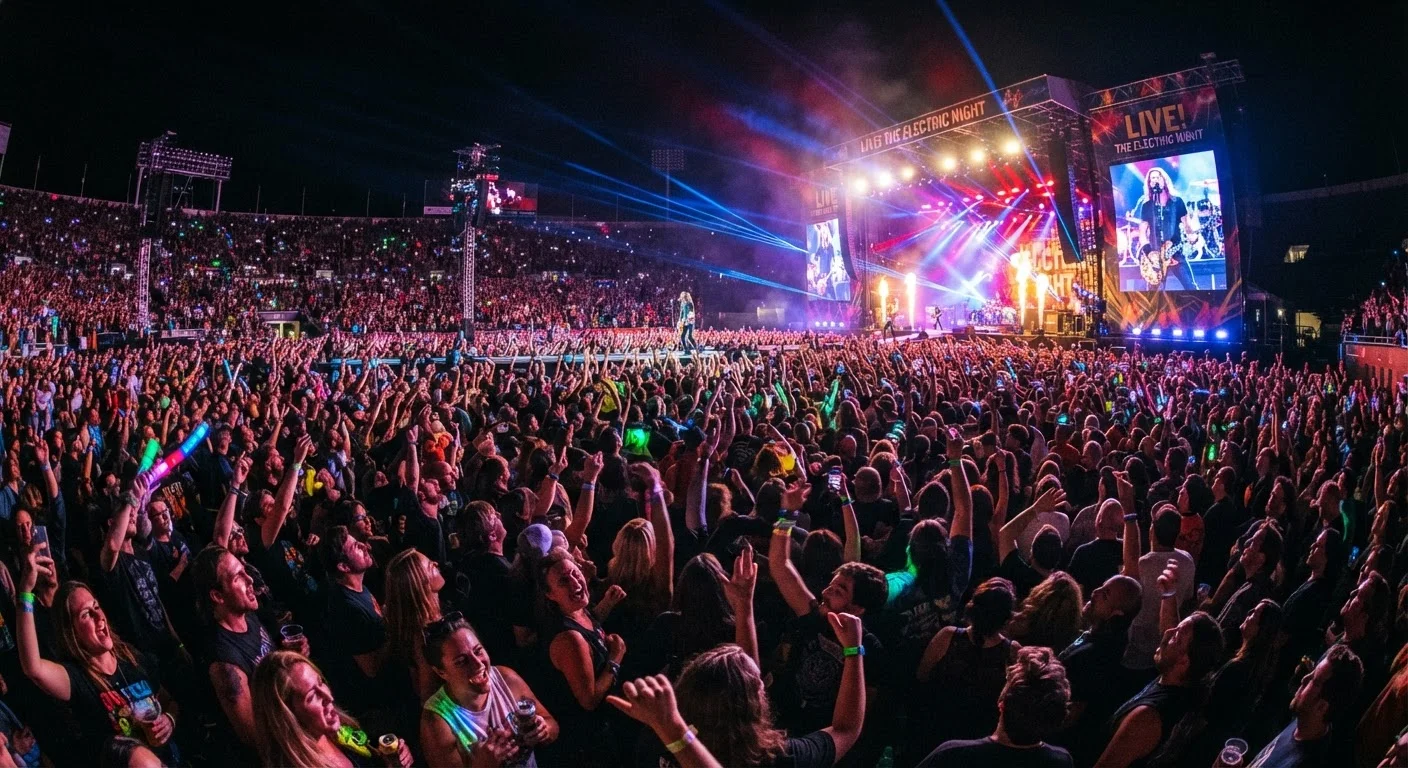
Photo credit: TrendingExperts.net
In this article
Live music has never been more expensive. Understand the economics and cultural consequences of rising ticket costs for fans and artists alike.
Key Takeaways
- Concert ticket prices have risen sharply over the past decade, consistently outpacing general inflation.
- Artists now rely more heavily on touring revenue because streaming pays fractional royalties per play.
- Dynamic pricing and speculative resale markets push costs even higher for many fans.
- Rising prices risk making live music a luxury experience accessible only to higher-income fans.
- Festival culture and grassroots venues continue to offer more accessible alternatives for many music lovers.
The Economics Behind the Price Surge
The live music industry has undergone a fundamental financial restructuring over the past fifteen years. When digital streaming displaced album sales, it dramatically reduced a key revenue stream for artists at every level. Where a platinum album once generated substantial royalty income, a song streamed millions of times on a major platform might yield only a few thousand dollars - a fraction of what physical or digital sales once produced.
That shift pushed touring from a promotional activity to a primary income source. Artists, their management, and promoters have adjusted ticket pricing accordingly. Meanwhile, the cost of producing large-scale live shows has risen steeply - elaborate stage designs, touring crew wages, venue costs, and insurance all contribute to a higher baseline. Promoters pass much of that expense directly to fans through the ticket price.
~2x
Average ticket price increase over a decade
Industry analysts tracking North American concert data have noted average primary market ticket prices roughly doubled between 2010 and the early 2020s, outpacing overall consumer price inflation significantly.
$0.003-$0.005
Estimated per-stream royalty on major platforms
Various published analyses of streaming royalty data suggest artists typically earn between a fraction of a cent and half a cent per stream, making touring economically essential for most working musicians.
30%+
Typical total fees added to face-value ticket price
Consumer advocacy groups and journalism investigations have documented that service fees, facility charges, and order fees routinely add 25-35% or more to the advertised ticket price on major platforms.
On top of production costs, the widespread adoption of dynamic pricing by major ticketing platforms has added another layer of volatility. Unlike a fixed ticket price, dynamic pricing uses algorithms to push costs higher as demand rises - sometimes within minutes of an on-sale event. For high-demand shows, fans who hesitate may find prices double or triple what early buyers paid.
The Resale Market's Role in Pushing Prices Up
Even when artists and promoters set reasonable face-value prices, a thriving secondary market can rapidly inflate what fans actually pay. Automated bots - software programs that purchase large volumes of tickets instantly - remain a persistent problem despite platform safeguards. Tickets scooped up at face value reappear on resale platforms at significant markups, sometimes within seconds of the primary on-sale.
This dynamic creates a two-tier system: fans with technical savvy, fast internet connections, or simply good fortune pay face value, while others fund speculative resellers. Regulatory efforts to curb bot activity have made progress in some states, but enforcement is uneven and the practice continues at scale.
“The live concert experience is one of the last things that can't be replicated digitally. Artists and fans both know that - and the economics of the industry have come to reflect it, for better or worse.”
— Bob Lefsetz, Music industry commentator and author of The Lefsetz Letter
The combined effect of dynamic pricing and resale markets means the advertised ticket price is often aspirational rather than real for many fans. The gap between what an artist intends fans to pay and what they ultimately do pay has become a significant cultural flashpoint.
What This Means for Live Music Culture
Live music has always served as more than entertainment - it's communal, identity-affirming, and culturally generative. When prices rise steeply, the demographic makeup of who fills concert halls begins to shift. Research from arts economists suggests that sustained price increases concentrate concert attendance among higher-income fans, gradually pricing out younger audiences and those from lower-income backgrounds.
This matters for culture in concrete ways. Diverse audiences have historically shaped genre evolution - the cross-pollination of fan communities at concerts is part of how musical movements grow and change. A concert economy segmented by income risks narrowing that cultural exchange. It also affects emerging artists who depend on live performance to build audiences. As streaming reshaped music discovery, the live show became even more critical for artists establishing themselves - yet rising costs make the economics of mid-level touring increasingly difficult.
Alternatives remain vital. Grassroots venues, local club scenes, and community events continue to offer meaningful live music at far lower price points. And as explored in the broader conversation around music festivals as cultural events, the festival model - despite its own price pressures - still aggregates many artists into a single pass, offering relative value for dedicated fans.
The conversation about what live music should cost, and who should have access to it, is ultimately a conversation about what kind of cultural life we want. That's worth having loudly - and attending to, even when the ticket price gives us pause.
Frequently Asked Questions

Author
Entertainment Editorial Team
Entertainment Editorial Team is the collective byline for our editorial team and contributor network. Articles published under this byline or an editorial pen name are researched, written, and reviewed according to our editorial standards for clarity, consistency, and independence before publication.
View all articles →