
Getting Into Foreign-Language Film Without Feeling Lost
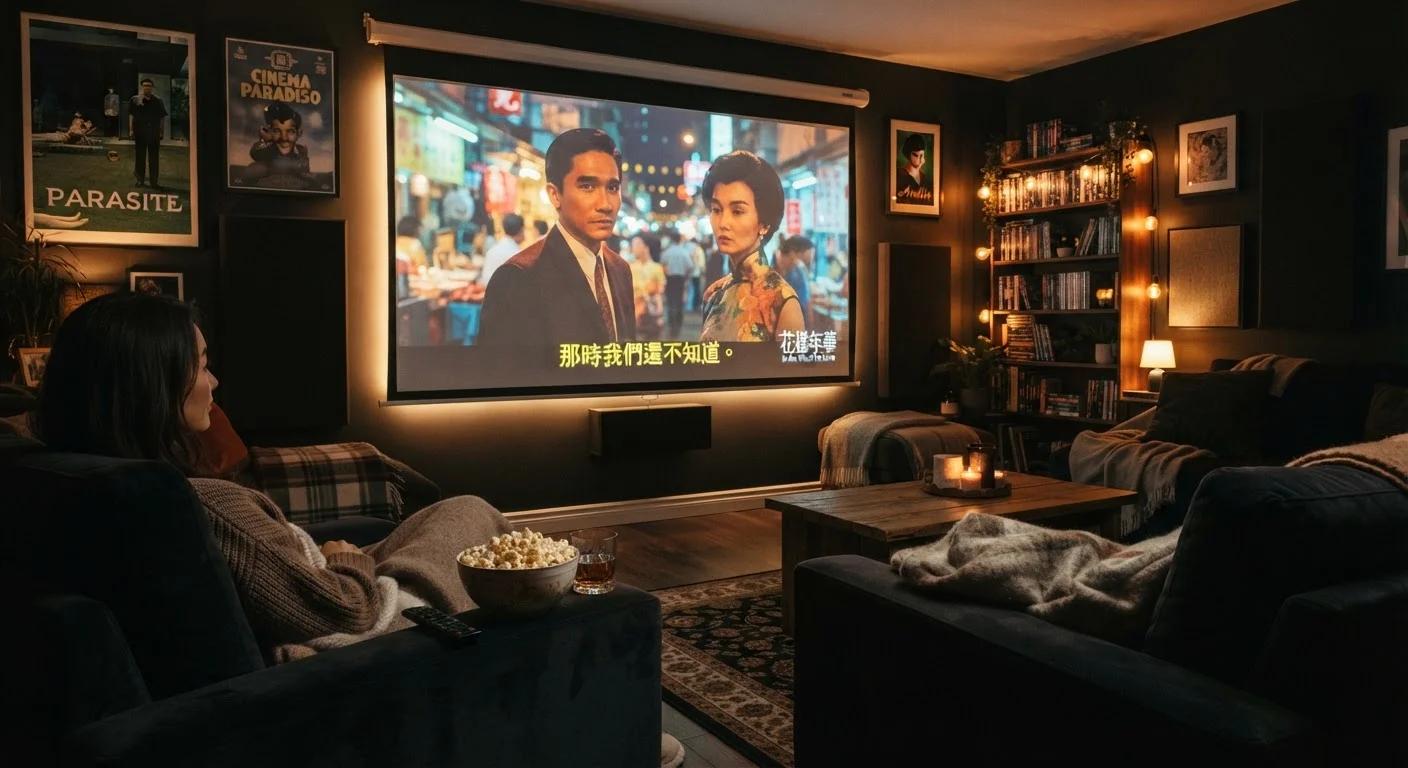
Photo credit: TrendingExperts.net
In this article
Subtitles, cultural context, and unfamiliar storytelling styles can feel like barriers. Here's how to ease into world cinema and start enjoying it.
Key Takeaways
- Starting with genre films you already enjoy is the easiest entry point into world cinema.
- Subtitles preserve the original performances and are widely preferred by experienced viewers.
- You don't need cultural expertise to emotionally connect with foreign-language stories.
- Streaming platforms have made world cinema more accessible than at any previous point in history.
- Short exposure - even one film a month - builds familiarity and confidence quickly.
Why Foreign-Language Film Feels Intimidating (And Why It Doesn't Have to Be)
Most people who hesitate before watching a foreign-language film aren't afraid of the film itself - they're afraid of feeling confused, out of their depth, or like they're missing some insider knowledge that makes the whole thing worthwhile. That's a completely understandable concern, and it's also largely unfounded.
Great filmmaking communicates visually and emotionally in ways that transcend language. A character's face, a piece of music, the way a scene is lit - these speak universally. The language barrier is real but much smaller than it seems once you're actually watching. Most of the resistance dissolves within the first fifteen minutes of a well-chosen film.
What does take some adjustment is pacing and storytelling convention. Hollywood has trained audiences to expect a particular rhythm - fast cuts, constant plot momentum, clear heroes. Many world cinema traditions work differently, and that difference, once embraced, is exactly what makes foreign films so rewarding. Think of it less like learning a new language and more like tuning into a new frequency.
World cinema
A broad term for films produced outside the Hollywood studio system, often used to describe non-English-language films from any country or region.
Subtitles
Text displayed at the bottom of a screen that translates spoken dialogue into the viewer's language while the original audio plays.
Dubbing
The process of replacing a film's original spoken dialogue with a new voice track recorded in a different language.
Cinematic tradition
The shared storytelling styles, visual techniques, and thematic concerns that characterize films from a particular country or region over time.
International Feature Film
The Academy Award category that recognizes the best feature-length film produced outside the United States, primarily in a language other than English.
Film movement
A group of films and filmmakers from a specific time and place that share a common aesthetic or philosophical approach, such as Italian Neorealism or the French New Wave.
Subtitles vs. Dubbing: Setting Yourself Up for Success
The subtitles-vs.-dubbing question stops a lot of potential world cinema fans before they even press play. Here's the short answer: subtitles are generally the preferred choice among experienced viewers because they preserve the original vocal performance - the tone, timing, and emotional texture of the acting - which is a significant part of what makes international cinema so distinctive.
That said, if subtitles genuinely feel overwhelming on your first attempt, dubbed audio is not a wrong choice. The goal is to actually watch the film, not to optimize the experience before you're ready. As you become more comfortable, shifting to subtitles tends to happen naturally.
A practical tip: watch in a setting with minimal distractions. Subtitles demand a slightly higher level of visual attention than English-language films. Dim the room, put your phone down, and give the film the same focused attention you'd give a theatrical experience. For a deeper look at what the research and viewer experience actually suggest, see our piece on common misconceptions about subtitles vs. dubbed audio.
How to Choose Your First Film
The best entry point into world cinema is always a film that connects to something you already enjoy. If you love thrillers, South Korean cinema offers some of the most gripping examples in the world - films like Parasite or Oldboy combine genre satisfaction with genuinely original storytelling. If you gravitate toward family dramas, Italian or Japanese cinema has deep, internationally beloved traditions in that space.
A few reliable first-film strategies:
- Follow the awards trail. Academy Award nominees and winners for Best International Feature Film are vetted by broad audiences and critics alike. They're a trustworthy shortlist.
- Match your existing genre preferences. Action fan? Try Hong Kong cinema. Love atmospheric mystery? Scandinavian noir has a devoted following for good reason.
- Start with something that's already culturally visible. Films that have crossed over into mainstream conversation - like Roma, Amelie, or Crouching Tiger, Hidden Dragon - became popular precisely because they're accessible entry points.
For titles that earned their mainstream moment through the festival circuit first, our guide to film festival favorites that reached mainstream audiences is a useful companion.
Let Genre Be Your Bridge
If you're unsure where to start, picking a foreign film in a genre you already love dramatically lowers the barrier to entry. Genre conventions - the thriller's tension, the comedy's timing - are surprisingly consistent across cultures and give you familiar footing while the storytelling style is still new.
Understanding Cultural Context Without Doing Homework
One of the most common fears about foreign cinema is that you'll miss something important because you don't know enough about the culture. In practice, this matters much less than it seems. The best foreign-language films are crafted to communicate to audiences outside their home country - that's a deliberate artistic choice, not a happy accident.
What does help: a single paragraph of context. Before watching, a quick glance at a film's Wikipedia entry or a short review can orient you - country of origin, rough historical setting, whether it's part of a specific movement or tradition. That's genuinely enough for most films. You're not studying for an exam; you're opening a door.
When you do encounter references or customs that feel unfamiliar, resist the urge to pause and research mid-film. Let the story carry you forward. Ambiguity is sometimes intentional - and learning to sit with it is part of what makes world cinema intellectually engaging. After the film, if you're curious, that's when deeper reading pays off. Critics' writing, director interviews, and cultural background pieces all become more meaningful once you have the film's images in your mind.
Understanding how critics discuss storytelling devices can also sharpen your engagement. Our piece on film criticism terms every casual viewer should know is a good companion for building that vocabulary.
Building Your World Cinema Habit
Consistency matters more than intensity. Watching one foreign-language film per month is enough to build genuine familiarity with different cinematic traditions within a year. Over time, you'll start recognizing directorial signatures, cultural storytelling patterns, and recurring themes - and that recognition is where the real pleasure lives.
A few habits that accelerate the process:
- Keep a simple film log. Even just a title and a one-line reaction. Looking back at your watching history shows progress and helps you spot what you connect with most.
- Mix countries deliberately. Don't stay in one cinematic tradition too long early on. Sampling French, Iranian, Brazilian, Japanese, and Nigerian cinema in rotation gives you a richer sense of what's possible.
- Watch with someone else occasionally. Discussion after a foreign film - especially one that's culturally unfamiliar - accelerates understanding and makes the experience more memorable.
- Let streaming algorithms work for you. Once you've signaled interest in world cinema through your viewing history, platforms like MUBI and Netflix surface increasingly relevant recommendations.
The world's cinematic traditions are vast, interconnected, and endlessly surprising. Getting started is genuinely the hardest part - and once you're past it, most viewers find they can't imagine going back to a single-country diet of film.
Frequently Asked Questions

Author
Entertainment Editorial Team
Entertainment Editorial Team is the collective byline for our editorial team and contributor network. Articles published under this byline or an editorial pen name are researched, written, and reviewed according to our editorial standards for clarity, consistency, and independence before publication.
View all articles →