
The Real Difference Between Dry Skin and Dehydrated Skin
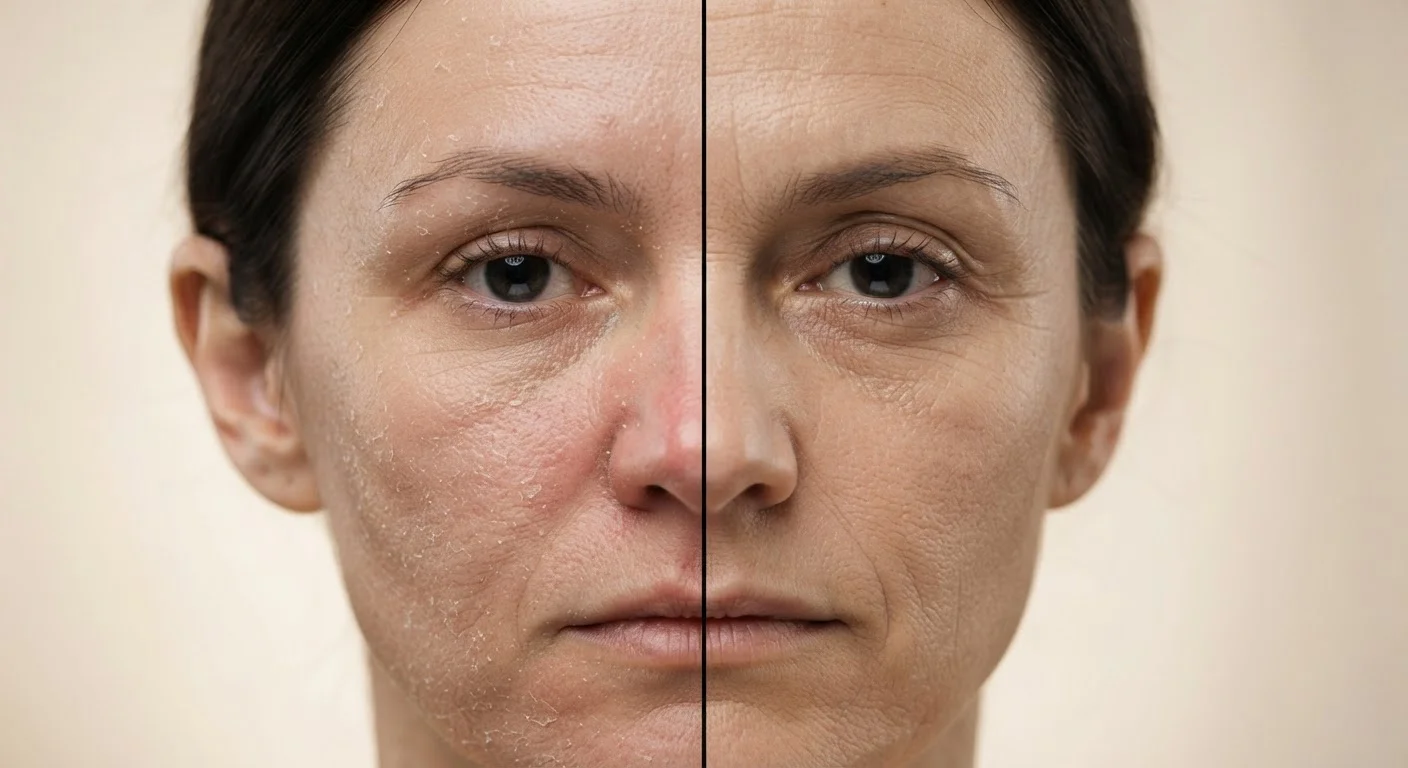
Photo credit: TrendingExperts.net
These two skin conditions look similar but have different causes and need different care. Learn how to tell them apart and respond correctly.
Key Takeaways
- Dry skin is a skin type caused by low sebum production; dehydrated skin is a condition caused by water loss.
- Dehydrated skin can affect oily, combination, and acne-prone skin types - not just those with naturally dry skin.
- Treating dry skin focuses on restoring lipids; treating dehydrated skin focuses on replenishing and retaining water.
- A simple pinch test can help differentiate between the two conditions at home.
- Using the wrong approach - such as heavy oils on dehydrated skin - can make things worse, not better.
Why the Confusion Exists
The terms dry skin and dehydrated skin are used interchangeably in beauty marketing, but dermatologically they describe two distinct things. Both can make skin feel tight, look dull, and show surface texture - which is exactly why people mix them up. Getting the distinction right matters, because the corrective approach for one can actually aggravate the other.
Dry skin is a skin type: a baseline characteristic determined largely by genetics and influenced by age and hormones. It reflects insufficient production of sebum - the skin's natural oil. Dehydrated skin, by contrast, is a skin condition: a temporary state in which the skin lacks adequate water content. That water deficit can be caused by environmental factors, diet, over-cleansing, certain medications, or even aggressive exfoliation. Crucially, dehydrated skin can occur in people with oily or combination skin - types that produce plenty of oil but still struggle to retain water.
Understanding this distinction is foundational to building a routine that actually works. For a broader look at how skincare knowledge fits into a daily regimen, see how skincare and grooming work together.
How to Tell Them Apart
The symptoms of dry and dehydrated skin overlap significantly, but a few distinguishing signs and a simple at-home test can help clarify which issue you're dealing with.
Signs more specific to dry skin:
- Consistent flakiness or rough patches that persist regardless of weather or fluid intake
- A naturally matte or dull appearance with little to no shine - ever
- Skin that frequently feels tight even after moisturizing
- Increased sensitivity or reactivity, especially to harsh ingredients
Signs more specific to dehydrated skin:
- Fine lines and surface creasing that appear more prominent than usual
- A dull, lackluster complexion that doesn't match your usual skin tone
- Skin that feels tight despite being oily or combination in type
- Symptoms that fluctuate with lifestyle changes - travel, alcohol consumption, stress, or diet
The pinch test: Gently pinch a small area of skin on your cheek and release. If the skin snaps back immediately, hydration levels are likely adequate. If it takes a moment to return to its original position, that slow rebound can indicate dehydration. Note that this is a general observational tool - not a clinical diagnostic.
| Criterion | Dry Skin | Dehydrated Skin |
|---|---|---|
| Classification | Skin type | Skin condition |
| Root cause | Low sebum (oil) production | Insufficient water content |
| Who it affects | Those with naturally low oil output | Any skin type, including oily |
| Duration | Long-term, ongoing | Temporary, often reversible |
| Primary symptom | Flakiness, rough texture | Dullness, fine surface lines |
| Key ingredient focus | Emollients and occlusants | Humectants (e.g., hyaluronic acid) |
| Influenced by lifestyle? | Minimally | Yes - diet, stress, environment |
Different Causes, Different Care
Once you've identified which condition you're dealing with, the care approach diverges meaningfully.
For dry skin, the priority is replenishing and protecting lipids. Emollients (such as fatty acids) and occlusants (such as petrolatum or plant-based waxes) are the workhorses here. They smooth the skin surface and create a seal that slows water loss. Supporting the skin barrier over the long term - not just flooding it with water - is the goal.
For dehydrated skin, the priority is water attraction and retention. Humectants - ingredients that draw moisture from the environment or deeper skin layers toward the surface - are the first line of response. Hyaluronic acid is one of the most studied humectants used in skincare for this purpose. That said, humectants work best when layered beneath an occlusive or emollient to prevent the attracted water from simply evaporating. For a detailed look at how two key hydration-focused ingredients operate differently, see ceramides vs. hyaluronic acid.
Oily Skin Can Still Be Dehydrated
It may seem counterintuitive, but excess oil production does not protect against water loss. In fact, some people with oily skin use harsh cleansers or frequent exfoliation that strip the skin's water content while leaving oil production unchanged. If you have oily skin that also feels tight or looks dull, dehydration - not dryness - is a likely contributor. Adjusting your cleansing routine is often a useful first step.
This article is for general informational purposes only and does not constitute medical or dermatological advice. If you are experiencing persistent or severe skin concerns, consult a qualified dermatologist or healthcare provider.

Author
Beauty Editorial Team
Beauty Editorial Team is the collective byline for our editorial team and contributor network. Articles published under this byline or an editorial pen name are researched, written, and reviewed according to our editorial standards for clarity, consistency, and independence before publication.
View all articles →