
Sunscreen Numbers and Labels Decoded
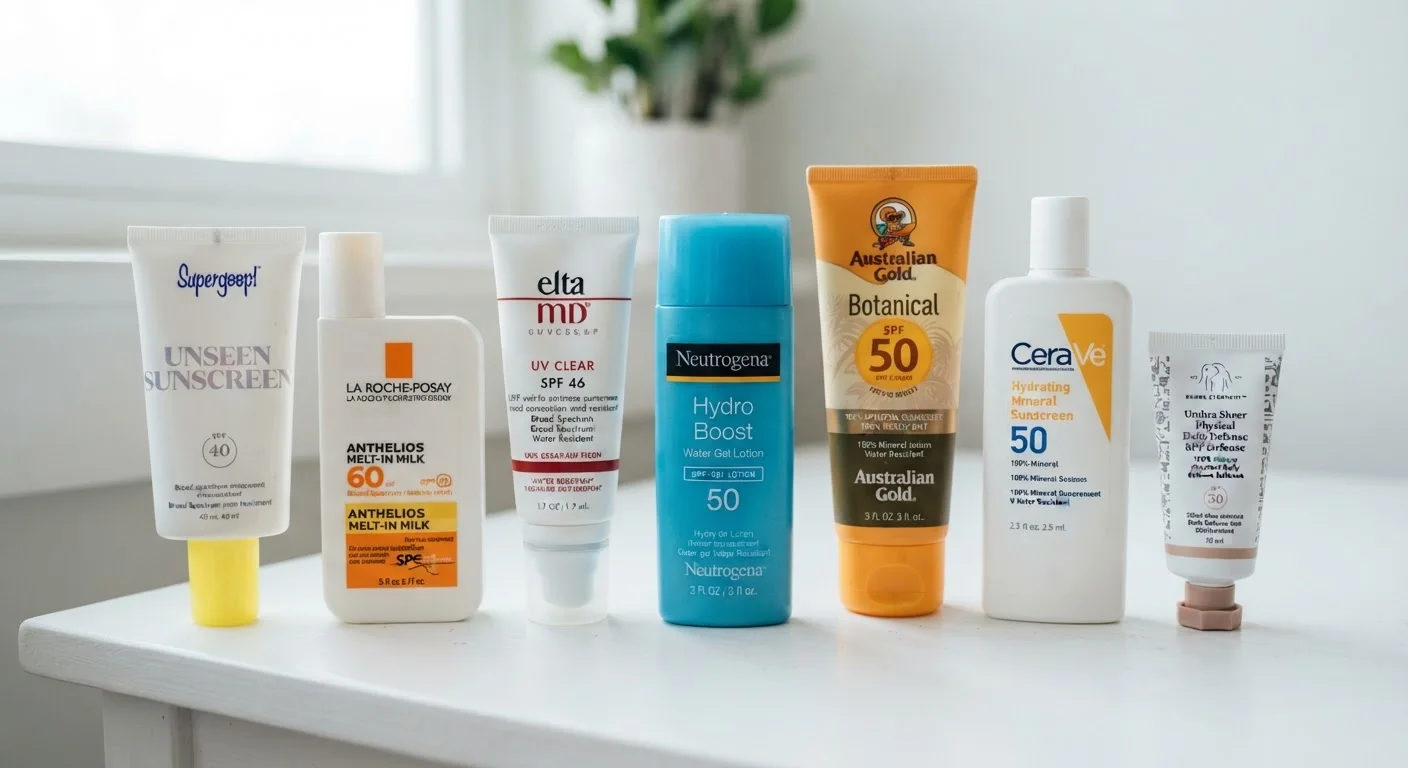
Photo credit: TrendingExperts.net
In this article
SPF, PA+++, broad spectrum — sunscreen packaging is full of shorthand. This guide explains what each label actually measures and means.
What SPF Actually Measures
SPF - Sun Protection Factor - measures how well a sunscreen blocks UVB radiation, the wavelength primarily responsible for sunburn and a key contributor to skin cancer risk. The number is not a percentage of rays blocked; it's a ratio describing how much longer protected skin takes to burn compared to unprotected skin under controlled laboratory conditions.
SPF 30 filters roughly 97% of UVB rays reaching the skin. SPF 50 filters about 98%. SPF 100 reaches approximately 99%. The diminishing returns beyond SPF 50 are real, but dermatologists generally recommend SPF 30 as a minimum for daily use and SPF 50 or higher for extended outdoor exposure. No sunscreen blocks 100% of UVB radiation.
One important caveat: SPF is tested at a dosage of 2 mg per square centimeter of skin - about a teaspoon for the face alone. Most people apply far less, which significantly reduces real-world protection. Consistent reapplication every two hours, especially after swimming or sweating, matters as much as the number on the label.
| SPF 30 UVB filtration | ~97% (FDA sunscreen monograph, general scientific consensus) |
| SPF 50 UVB filtration | ~98% (FDA sunscreen monograph, general scientific consensus) |
| Recommended test dosage for SPF rating | 2 mg/cm² of skin (FDA sunscreen testing standard) |
| Reapplication interval | Every 2 hours (or after water exposure) (American Academy of Dermatology general guidance) |
| Maximum water resistance claim allowed | 80 minutes (FDA regulation on sunscreen labeling) |
| Highest PA rating tier | PA++++ (Japan Cosmetic Industry Association standard) |
Broad Spectrum, UVA, and the PA+++ System
UVB is only part of the sun's damaging output. UVA rays penetrate more deeply into the skin and are strongly linked to photoaging - premature wrinkles, dark spots, and loss of elasticity - as well as contributing to melanoma risk. A high SPF number tells you nothing about UVA protection unless the label also says broad spectrum.
In the United States, the FDA requires a standardized broad spectrum test. Products that pass it can claim broad spectrum status, indicating meaningful UVA coverage alongside UVB protection. Products that fail cannot use the label and must carry a warning that they only protect against sunburn, not skin cancer or aging.
The PA+++ system originates in Japan and is widely used across Asia and increasingly appears on products sold globally. It rates UVA protection on a scale: PA+ through PA++++. Each additional plus sign reflects a higher ratio of persistent pigment darkening - a measurable marker of UVA exposure. PA++++ is the highest tier. While not an FDA-mandated label in the U.S., its presence on a product is a useful signal of quantified UVA defense.
Just as some skincare claims sound rigorous but aren't, "UVA protection" on its own without a broad spectrum designation or PA rating carries no standardized meaning in the American market.
SPF (Sun Protection Factor)
A standardized rating that indicates how much longer protected skin takes to burn from UVB rays compared to unprotected skin. Higher numbers offer incrementally greater - but never total - protection.
Broad Spectrum
An FDA-regulated label indicating a sunscreen has passed testing for both UVA and UVB protection. Without this label, a product only demonstrates protection against sunburn-causing UVB rays.
PA+++ System
A UVA protection rating scale developed in Japan, ranging from PA+ to PA++++. More plus signs indicate stronger UVA blocking ability based on a standardized persistent pigment darkening test.
Water Resistance
An FDA-regulated claim indicating that a sunscreen maintains its SPF level for either 40 or 80 minutes of water exposure. No sunscreen is fully waterproof; reapplication after the stated window is required.
Mineral Sunscreen
A sunscreen formulated with zinc oxide and/or titanium dioxide as active ingredients. These physical filters reflect and scatter UV radiation rather than absorbing it.
Chemical Sunscreen
A sunscreen that uses organic UV-absorbing compounds - such as avobenzone or octisalate - to convert UV energy into heat. Often lighter in texture than mineral formulas.
Water Resistance, Reef-Safe, and Other Common Label Terms
The FDA regulates how sunscreens describe water resistance. Products may claim either 40-minute or 80-minute water resistance - the time during which SPF protection remains adequate during water exposure. "Waterproof" and "sweatproof" are not permitted claims in the U.S. because no sunscreen is truly impervious. After the stated water resistance window, reapplication is necessary.
The term reef-safe or reef-friendly lacks a legal definition in the U.S. as of now, which means manufacturers use it with wide latitude. Hawaii and a handful of other jurisdictions have banned specific active ingredients - most notably oxybenzone and octinoxate - based on research suggesting potential harm to coral ecosystems. Products marketed as reef-safe often omit these chemicals, but there is no federal third-party certification behind the claim. Readers interested in environmentally conscious choices should look at the active ingredients list directly rather than rely on the marketing label.
Mineral vs. chemical refers to the filtering mechanism. Mineral sunscreens use zinc oxide or titanium dioxide and work by reflecting and scattering UV radiation. Chemical (or organic) sunscreens use compounds like avobenzone or octisalate that absorb UV energy and convert it to heat. Both are FDA-approved approaches; neither is universally superior. Mineral formulas are often recommended for sensitive skin; chemical formulas tend to be easier to apply invisibly.
This article is for general informational purposes only and is not a substitute for advice from a qualified dermatologist or healthcare provider. Consult a professional for personalized skincare guidance.

Author
Beauty Editorial Team
Beauty Editorial Team is the collective byline for our editorial team and contributor network. Articles published under this byline or an editorial pen name are researched, written, and reviewed according to our editorial standards for clarity, consistency, and independence before publication.
View all articles →