
Scalp Health and Hair Growth: What Science Says About the Connection
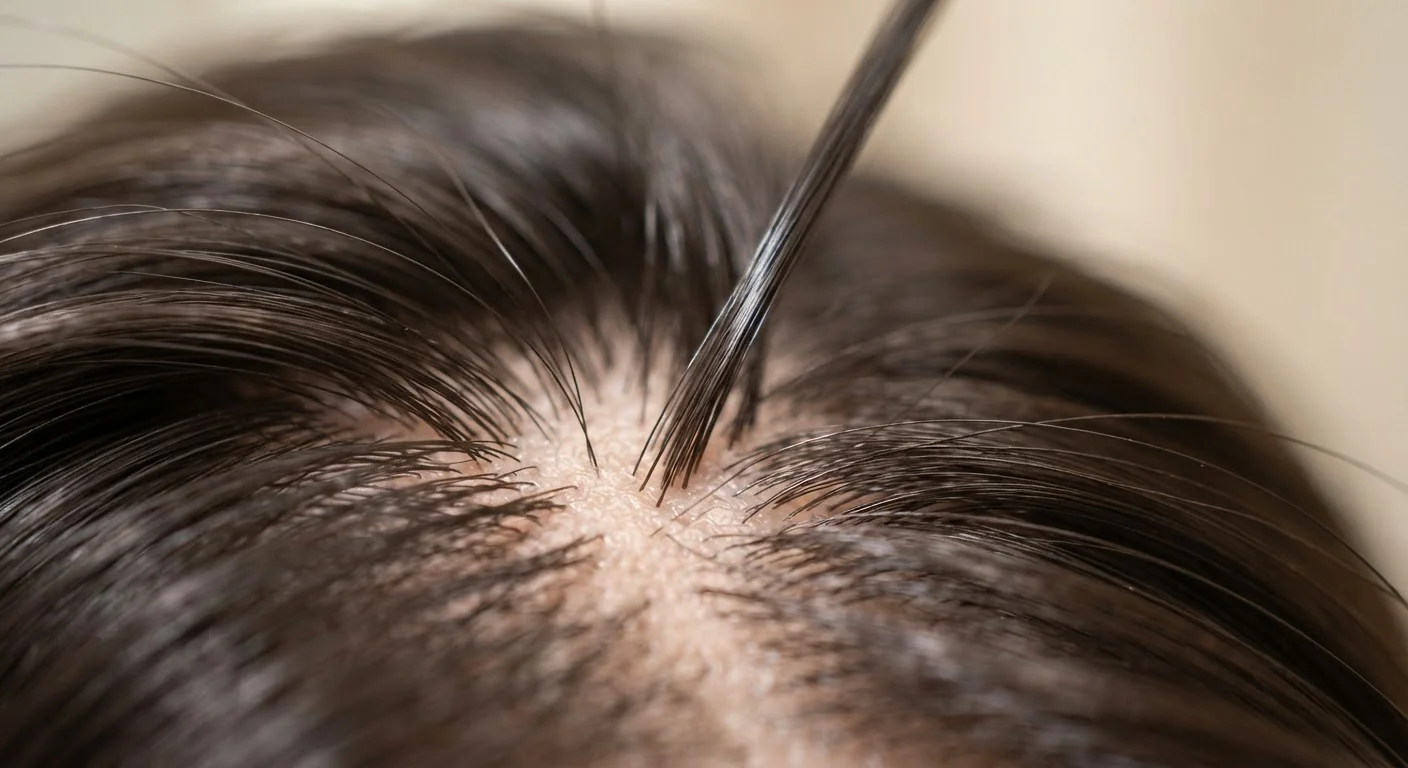
Photo credit: TrendingExperts.net
In this article
The condition of your scalp directly affects how hair grows. Here's what research tells us about the scalp-hair relationship and how to care for it.
Key Takeaways
- Hair follicles live inside the scalp, so scalp skin condition directly affects hair growth quality.
- Chronic scalp inflammation is linked in research to disrupted hair cycling and increased shedding.
- Excess sebum, product buildup, and fungal overgrowth can clog follicles and impair growth.
- Gentle, consistent cleansing is one of the most evidence-supported ways to maintain a healthy scalp.
- Nutritional deficiencies and systemic health factors influence the scalp just as they influence skin elsewhere.
Why the Scalp Is the Starting Point for Hair Health
Every strand of hair begins its life inside a follicle - a tiny, tunnel-like structure anchored in the scalp's dermal layer. Those follicles depend on a constant supply of nutrients delivered via blood vessels, and they are surrounded by scalp tissue that must maintain its own structural integrity to keep follicles functioning properly. When the scalp is compromised - through inflammation, poor circulation, or chronic dryness - follicle performance can suffer.
This is why dermatologists increasingly treat hair concerns as scalp concerns first. Hair that appears thin, brittle, or slow-growing is often a downstream symptom of scalp-level disruptions rather than a problem with the hair shaft itself, which is already dead tissue by the time it emerges. Understanding this distinction changes how to approach care.
How Inflammation Disrupts the Hair Growth Cycle
Hair doesn't grow continuously - it cycles through distinct phases: anagen (active growth), catagen (transition), and telogen (shedding). Research indicates that scalp inflammation can shorten the anagen phase and push more follicles prematurely into telogen, a pattern sometimes seen in conditions like seborrheic dermatitis and psoriasis.
This disruption is one reason that people with untreated chronic scalp conditions often report noticeable increases in shedding. The inflammation - driven by immune responses to fungal overgrowth, irritants, or autoimmune triggers - can also directly damage follicle structures if it persists long enough. Hair loss in adults is a multifactorial issue, and scalp inflammation is one of its most overlooked contributors.
Shedding vs. Loss: An Important Distinction
Losing 50 to 100 hairs per day is considered within the normal range for most adults, as follicles continuously cycle through growth and rest phases. Noticeable changes in density, bald patches, or a sudden increase in shedding beyond this range are worth discussing with a dermatologist. Some grooming myths conflate normal shedding with pathological loss - our piece on long-standing grooming myths covers this distinction.
The Scalp Microbiome and Sebum Balance
The scalp hosts a community of microorganisms - bacteria and fungi - that, in a healthy state, coexist in balance. The fungus Malassezia is naturally present on virtually every adult scalp; it becomes problematic only when it proliferates excessively, typically in oily environments, triggering the immune response responsible for dandruff and seborrheic dermatitis.
Sebum, the scalp's natural oil, plays a dual role: it lubricates the hair shaft and creates an environment that supports normal microbial balance. Too little sebum - from over-washing or harsh cleansers - leaves the scalp dry and irritated. Too much can trap dead skin cells and create the oily conditions that feed fungal overgrowth. Finding the right cleansing routine matters, and the choice between products is more nuanced than marketing suggests. See our comparison of shampoo vs. co-washing approaches for a balanced breakdown.
Gentle Cleansing Is Usually the Right Starting Point
If you are unsure whether your scalp issues stem from over- or under-washing, start with a mild, sulfate-free shampoo used consistently every two to three days and observe changes over four weeks. This removes the most common variables - buildup and dryness - before experimenting further. Avoid hot water, which strips the scalp's protective lipid barrier more aggressively than lukewarm water.
Nutrition, Systemic Health, and the Scalp Connection
Because the scalp is skin, it responds to the same systemic factors that affect skin health throughout the body. Iron deficiency - one of the most common nutritional deficiencies globally - is frequently associated with telogen effluvium, a form of increased shedding triggered when more follicles than usual enter the resting phase simultaneously. Zinc, vitamin D, and B vitamins also play well-documented roles in follicle cell metabolism.
Stress is another documented disruptor. Elevated cortisol levels have been shown in research to interfere with the hair cycle, which explains why significant physical or emotional stress is often followed weeks later by noticeable shedding. This isn't a cosmetic problem - it reflects the scalp's integration into broader physiological systems. Addressing scalp health in isolation while ignoring nutrition, sleep, or chronic stress is unlikely to produce lasting results.
~50%
Adults affected by dandruff at some point
Dandruff (seborrheic dermatitis of the scalp) is estimated to affect roughly half of the global adult population, according to dermatology literature, making it one of the most common scalp conditions worldwide.
100,000+
Hair follicles on the average adult scalp
Dermatological estimates suggest the average human scalp contains between 80,000 and 120,000 follicles, each capable of cycling through growth phases independently throughout a person's lifetime.
2-6 years
Typical anagen (active growth) phase duration
Research on the hair cycle indicates that the active growth phase lasts approximately two to six years per follicle, with its length influenced by genetics, nutrition, and scalp health.
This article is for informational purposes only and is not a substitute for professional medical or dermatological advice. If you are experiencing significant hair loss or persistent scalp symptoms, consult a qualified healthcare provider.
Frequently Asked Questions

Author
Beauty Editorial Team
Beauty Editorial Team is the collective byline for our editorial team and contributor network. Articles published under this byline or an editorial pen name are researched, written, and reviewed according to our editorial standards for clarity, consistency, and independence before publication.
View all articles →