
Hair Loss in Adults: Separating Common Causes From Common Myths
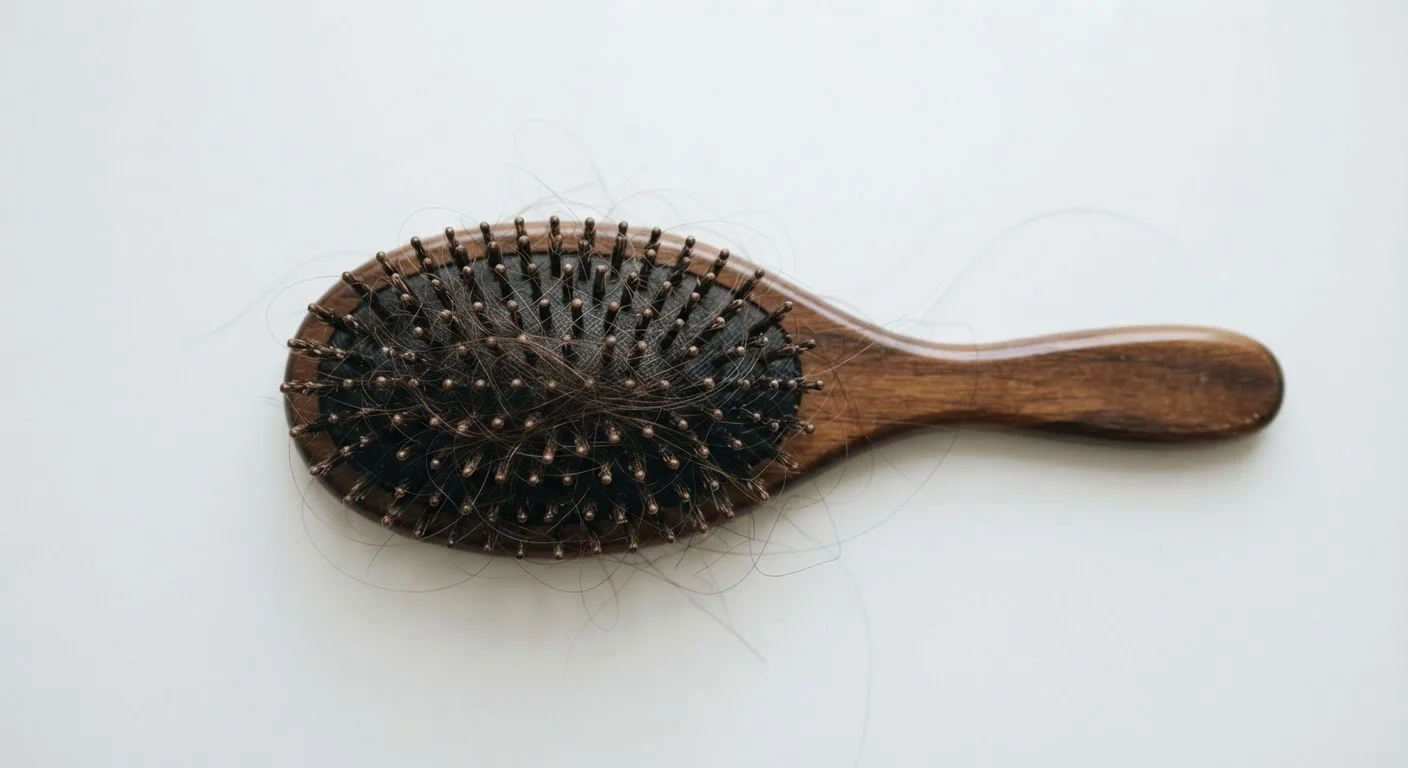
Photo credit: TrendingExperts.net
In this article
Hair loss has many causes — hormonal, nutritional, genetic, and stress-related — and just as many misconceptions. Here's a grounded overview of the facts.
Key Takeaways
- Most adults lose 50-100 hairs per day, which is considered normal shedding.
- Genetics, hormones, and nutritional deficiencies are among the most common evidence-based causes of hair loss.
- Many popular beliefs about hair loss - like hats causing baldness - are not supported by science.
- Stress can trigger temporary hair shedding, but it rarely causes permanent hair loss on its own.
- A dermatologist or healthcare provider is the right resource for evaluating persistent or significant hair loss.
Why Hair Loss Is So Misunderstood
Hair loss affects a significant portion of adults at some point in their lives, yet it remains one of the most myth-laden topics in beauty and wellness. Conflicting advice from social media, product marketing, and well-meaning friends has made it genuinely difficult to know what's real. The result is that many people either panic over normal shedding or ignore warning signs that deserve attention.
Understanding hair loss starts with biology. Each hair follicle cycles through growth, transition, and resting phases. At any given time, the majority of your hair is actively growing, while a smaller percentage is in the resting phase and will shed naturally. Disruptions to this cycle - from hormones to nutrition to stress - can cause noticeable changes in hair density and thickness.
For a deeper look at how the scalp environment influences these cycles, see our science-backed guide to scalp health and hair growth.
Myth
Wearing hats frequently causes baldness by suffocating hair follicles.
Fact
Hats do not cause hair loss. Hair follicles receive oxygen from the bloodstream, not from the air.
This myth likely persists because men experiencing pattern hair loss often also wear hats - but correlation is not causation. Follicles are embedded in the scalp and are nourished through blood supply, not surface airflow. Only extremely tight headwear worn constantly could theoretically contribute to a rare form of traction-related hair loss, and that is a very different mechanism from the hat-suffocation myth.
Myth
Frequent shampooing causes hair to fall out faster.
Fact
Washing your hair does not accelerate hair loss. Hairs shed during washing were already in the resting phase.
Seeing clumps of hair in the shower drain after washing is alarming, but those hairs were already detached from active growth before you shampooed. Washing simply dislodges them. In fact, a clean, healthy scalp supports a better environment for hair follicles. If anything, neglecting scalp hygiene may contribute to conditions - like seborrheic dermatitis - that can worsen existing shedding.
Myth
Hair loss only comes from the mother's side of the family.
Fact
Genetic hair loss is inherited from both sides of the family, not exclusively through the maternal line.
The idea that you only need to look at your maternal grandfather to predict your own hair loss is a persistent oversimplification. Androgenetic alopecia involves multiple genes inherited from both parents. Researchers have identified variants on several chromosomes that contribute to follicle sensitivity to androgens. Your family history on both sides - and across multiple generations - provides a more complete picture than one grandparent's hairline.
Myth
Stress causes permanent hair loss.
Fact
Stress-related hair shedding (telogen effluvium) is typically temporary and resolves once the stressor passes.
Significant physical or emotional stress can push a larger-than-usual number of hairs into the resting (telogen) phase simultaneously. When those hairs shed a few months later, the loss can look dramatic. However, this process is generally reversible. Hair usually begins to regrow within several months after the stressor is resolved. Chronic, unmanaged stress could theoretically sustain this cycle, which is one reason stress management matters for overall health - but stress alone rarely causes the kind of permanent follicle damage seen in pattern hair loss.
Myth
Cutting or shaving hair makes it grow back thicker and faster.
Fact
Cutting hair has no effect on follicle behavior; it does not change the rate, color, or thickness of regrowth.
Hair thickness and growth rate are determined by the follicle, which sits well beneath the scalp surface. Cutting hair at the surface - whether trimming or shaving - cannot alter follicle biology. The appearance of thicker regrowth after shaving is because newly grown hair has a blunt tip rather than the naturally tapered tip of uncut hair, making it feel coarser temporarily. The underlying hair characteristics remain unchanged.
Myth
Only older adults experience significant hair loss.
Fact
Hair loss can begin in early adulthood; pattern hair loss sometimes starts in the late teens or twenties.
While hair thinning becomes more common with age, androgenetic alopecia is not reserved for older adults. Some individuals begin noticing a receding hairline or diffuse thinning as early as their late teens. Conditions like alopecia areata can affect people of any age, including children. Early onset does not necessarily predict more severe loss, but it does mean that age alone is not a reliable indicator of risk.
What Actually Causes Hair Loss in Adults
The most common form of hair loss in adults is androgenetic alopecia, sometimes called pattern hair loss. It has a strong genetic component and is driven by hormonal factors - specifically the sensitivity of hair follicles to androgens (a group of hormones). It affects both men and women, though the pattern often differs between sexes.
Other clinically recognized causes include:
- Nutritional deficiencies: Low levels of iron, zinc, biotin, and protein have been linked to increased shedding. These deficiencies are often correctable with dietary changes or supplementation under medical guidance.
- Thyroid disorders: Both an overactive and underactive thyroid can disrupt the hair growth cycle, leading to diffuse thinning.
- Telogen effluvium: A temporary shedding condition triggered by significant physical or emotional stress, illness, childbirth, or rapid weight loss. Hair typically regrows once the underlying trigger resolves.
- Alopecia areata: An autoimmune condition in which the immune system mistakenly attacks hair follicles, causing patchy loss. This is distinct from pattern hair loss and requires professional evaluation.
Sudden or Patchy Hair Loss Warrants Evaluation
If you experience rapid shedding, bald patches, or hair loss accompanied by other symptoms such as fatigue, skin changes, or weight fluctuation, seek evaluation from a dermatologist or primary care provider. These signs may point to an underlying medical condition that benefits from early diagnosis and treatment. Do not rely solely on over-the-counter products or online advice when these patterns are present.
Because many conditions can look similar, self-diagnosis is unreliable. A dermatologist can assess shedding patterns, run blood tests to identify deficiencies or hormonal imbalances, and recommend appropriate next steps. This article is general educational information and is not a substitute for professional medical advice.
Moving Forward With Accurate Information
Understanding the real causes of hair loss - and letting go of persistent myths - is the first practical step toward addressing it effectively. Chasing unproven remedies delays care that might actually help, while unnecessary anxiety over normal shedding can take a real toll on wellbeing.
If you notice a sudden, significant increase in shedding, visible thinning, or bald patches, consult a healthcare provider or dermatologist rather than self-treating. Keep in mind that hair loss connected to stress, illness, or nutritional deficiencies is often temporary once the root cause is addressed. Pattern hair loss, by contrast, is progressive and is generally easier to manage when caught early.
Myth-busting extends beyond hair - if you've found this kind of evidence-based breakdown useful, our look at common grooming myths applies the same critical lens to other widely held beauty beliefs.
This article is for general informational and educational purposes only and does not constitute medical advice. If you are experiencing hair loss or any related symptoms, consult a qualified healthcare professional for personalized evaluation and guidance.

Author
Beauty Editorial Team
Beauty Editorial Team is the collective byline for our editorial team and contributor network. Articles published under this byline or an editorial pen name are researched, written, and reviewed according to our editorial standards for clarity, consistency, and independence before publication.
View all articles →