
What to Do Immediately After a Car Accident
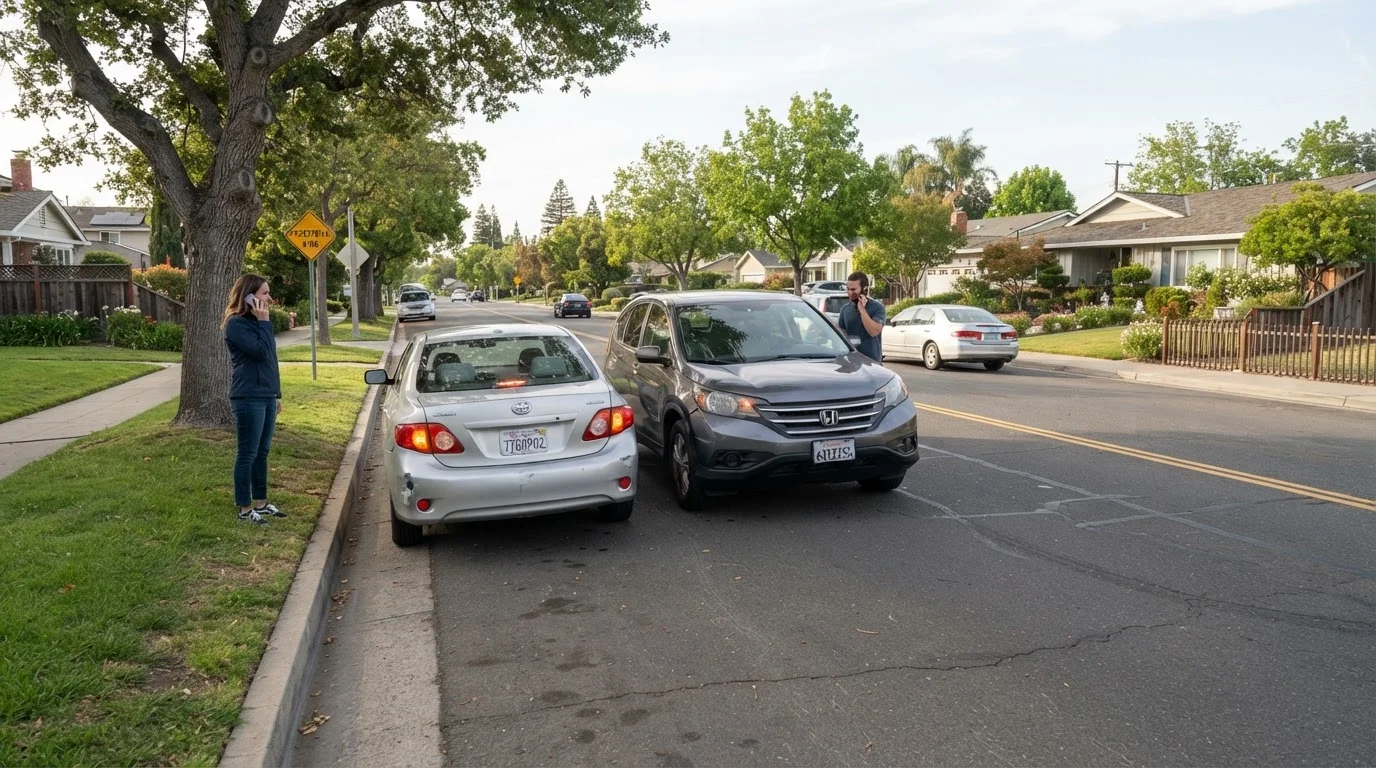
Photo credit: TrendingExperts.net
In this article
The moments after a crash matter legally and medically. This step-by-step guide covers what to do, document, and avoid at the scene.
Key Takeaways
- Move to safety first - get clear of traffic before doing anything else.
- Call 911 even for minor accidents; a police report creates an official record.
- Document the scene thoroughly with photos before vehicles are moved.
- Never admit fault at the scene - let insurers and investigators determine liability.
- Seek medical evaluation after any collision, even if you feel fine immediately.
Why the First Minutes Matter
A car accident compresses a lot of consequential decisions into a very short window. The steps you take - and skip - in those first minutes directly affect your physical safety, the strength of your insurance claim, and your legal standing. Adrenaline can distort judgment, which is why knowing the right sequence of actions in advance matters so much.
Whether you're an experienced driver or still building confidence on the road, having a clear mental framework ready before an accident happens is one of the most practical forms of preparation. If you're newer to driving, the broader foundational skills covered in our guide for building driver confidence complement what you'll learn here.
What you will need
Step-by-Step: What to Do at the Scene
Follow these steps in order. Each builds on the one before it, and skipping any can create problems - legally, medically, or financially - that are difficult to correct later.
Check for Injuries and Move to Safety
Before anything else, assess yourself and any passengers for injuries. If the vehicles are drivable and it is safe to do so, move them out of active traffic lanes - to a shoulder, parking lot, or side street. Turn on your hazard lights immediately.
If anyone is seriously injured or vehicles cannot be moved, stay inside with seatbelts fastened and wait for emergency services. Standing in or near a travel lane is one of the most dangerous things you can do after a crash.
Call 911
Call 911 to report the accident. Even in a seemingly minor fender-bender, a police report creates an official record that can be essential when filing an insurance claim or resolving a dispute later. Dispatchers will also send medical responders if anyone reports pain or discomfort.
When officers arrive, give an accurate, factual account of what happened. Do not speculate about speed, fault, or what the other driver was doing unless you know with certainty.
Exchange Information with the Other Driver
Collect the following from every other driver involved:
- Full legal name and contact number
- Driver's license number and issuing state
- Vehicle make, model, color, and license plate number
- Insurance company name and policy number
Provide your own equivalent information in return. Do not share more than what is necessary - you are not required to share your social security number or any financial details.
Document the Scene
Use your smartphone to photograph and, if possible, video-record the scene thoroughly before vehicles are moved (if that hasn't already occurred for safety reasons). Capture:
- All vehicle damage from multiple angles
- The overall scene showing road position and surroundings
- Skid marks, debris, or road hazards
- Traffic signs, signals, and lane markings in the area
- Any visible injuries (with consent where applicable)
If there are witnesses, ask for their names and phone numbers. Bystander accounts can be valuable if accounts conflict later.
Notify Your Insurance Company
Contact your insurance provider as soon as possible - ideally from the scene or within hours of the accident. Most insurers require timely notification as a condition of your policy, and delays can complicate your claim.
Provide factual details: when and where the accident occurred, the extent of visible damage, and the other party's information. Your insurer will guide you through next steps, including whether to use their preferred repair network or get an independent estimate.
Seek Medical Evaluation
Even if you feel uninjured at the scene, see a healthcare provider within 24 to 48 hours. Many common collision injuries - including whiplash, soft-tissue damage, and mild concussions - do not produce obvious symptoms immediately due to adrenaline and delayed inflammation.
A timely medical record also establishes a clear connection between the accident and any injuries that emerge, which matters significantly if a personal injury claim becomes necessary. This is general guidance; consult a qualified healthcare professional about your specific situation.
Never Admit Fault at the Scene
Even a casual apology - "I'm sorry, I didn't see you" - can be used against you in an insurance claim or lawsuit. Fault is a legal determination that depends on evidence, witness accounts, and applicable traffic law. Stick to factual statements only, and let the proper process determine liability.
Don't Leave the Scene Prematurely
Leaving before exchanging information or speaking with police - even if you believe the accident was minor - can constitute a hit-and-run under state law, which carries serious criminal penalties. Stay at or near the scene until law enforcement clears you to leave.
Keep an Accident Info Card in Your Glove Box
Print a simple card listing what to collect at a scene: the other driver's name, license number, insurance company, policy number, and plate. When adrenaline is running high, a checklist keeps you from forgetting critical details. Many insurance companies provide these in their mobile apps as well.
What Not to Do After a Crash
Knowing what to avoid is just as important as knowing what to do. A few common mistakes can significantly undermine your position:
- Don't leave the scene before speaking with police or exchanging information.
- Don't post about the accident on social media - statements made publicly can be used in insurance or legal proceedings.
- Don't accept or make cash settlements at the scene. Hidden vehicle damage or delayed injuries may not be apparent immediately.
- Don't ignore symptoms. Pain or cognitive fog that appears hours or days later should be evaluated promptly by a medical professional.
Protecting yourself doesn't require confrontation - it requires documentation, calm communication, and following the proper channels. The same disciplined, step-by-step thinking applies any time you face an unexpected incident: whether it's a damaged item in a delivery or a compromised account, the principle of documenting carefully and following an established process is universally sound.
Smartphone with camera
Document the scene, damage, license plates, and insurance documents through photos and video.
Insurance card
Provide your policy number and insurer contact information to the other party and police.
Pen and notepad (or notes app)
Record driver details, witness names, officer badge numbers, and incident report numbers.
Roadside emergency kit
Provides warning triangles or flares to alert oncoming traffic and keep the scene safer.

Author
Automotive Editorial Team
Automotive Editorial Team is the collective byline for our editorial team and contributor network. Articles published under this byline or an editorial pen name are researched, written, and reviewed according to our editorial standards for clarity, consistency, and independence before publication.
View all articles →